Choosing the right bag hardware and fastener selection prevents common failures and extends product life. This guide explains how to evaluate zipper quality, buckle strength, and closure systems against specific luggage use cases and travel bag materials.
- Match hardware load ratings to the expected weight and usage cycle of the luggage item.
- Prioritize corrosion resistance when designing for humid or coastal travel environments.
- Select fastener selection options that balance ease of opening with security and durability.
- Verify that bag hardware is compatible with the specific travel bag materials used in the shell.
- Run functional testing on prototypes to confirm zipper and buckle performance before mass production.
Hardware selection is a direct driver of product failure and customer complaints in the travel bag market. A zipper that catches or a buckle that cracks under load creates a negative first impression that no amount of fabric quality can fix. Buyers must evaluate every metal and plastic component as a critical structural element, not just a decorative accessory. The right choice depends on the specific application, expected weight, and environmental conditions the bag will face.
How to Evaluate Load Capacity and Stress Points
Every fastener and hardware piece must be rated for the maximum force it will encounter during normal use. A 20-liter daypack and a 35-liter travel duffel carry different loads and experience different types of stress. The shoulder straps, waist belts, and main closures all transmit force to the bag body. If the hardware is undersized, the failure point usually appears at the stitching or the metal bracket itself.
Start by defining the maximum load the bag will carry. A heavy-duty travel bag might see 15 to 20 kg of contents. The zippers, buckles, and D-rings must support that weight without deformation. Look for components with explicit load ratings from the supplier. If a rating is not provided, ask for the test data. A standard zipper pull should not bend or crack under the weight of the bag when it is hanging by the handle.
Consider the type of force as well. Compression, tension, and shear are different. A buckle on a compression strap experiences shear force when the strap is pulled tight. A zipper experiences tension along the fabric edge. A D-ring on a handle experiences tension when someone lifts the bag. Mixing up these forces leads to weak points. For example, a zipper that is fine for a light daypack may fail on a heavy travel bag if the teeth are not deep enough to interlock securely under load.
Corrosion Resistance and Environmental Exposure
Travel bags are used in varied environments, from dry offices to rainy airports. Metal hardware will be exposed to moisture, salt air, and temperature changes. If the hardware corrodes, it becomes a failure point. Rust can jam zippers, weaken buckles, and damage the surrounding fabric.
Stainless steel is the standard for high-end travel luggage. It resists corrosion in most environments. However, not all stainless steel is equal. Lower grades can still rust in highly humid or coastal areas. Aluminum hardware is lighter and does not rust, but it is softer than steel. It can deform under high impact. Zinc-plated steel is common but less durable than stainless. It is often used in lower-cost products where the bag is not expected to last for years.
When selecting materials, ask the supplier for the specific alloy or grade. For example, 304 stainless steel is a common standard for outdoor gear. If the bag is intended for beach or coastal travel, ask about saltwater resistance. Some coatings, like nickel plating, can look nice but may chip or scratch over time, exposing the base metal to corrosion.
Fastener Selection for Zippers and Closures
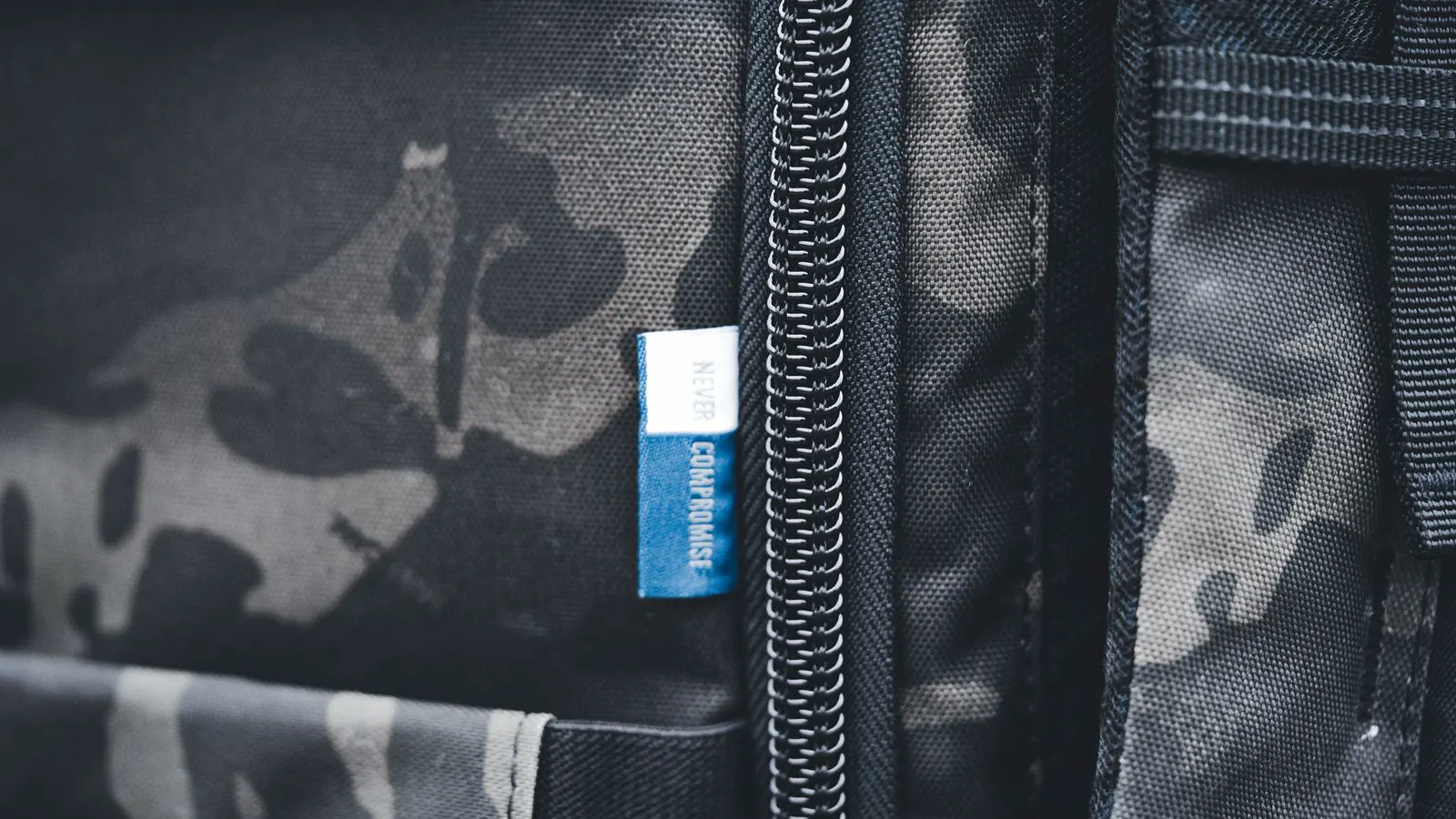
Zippers are the most visible and frequently used fastener on a travel bag. There are two main types: coil and metal. Coil zippers are made from a plastic wire. They are lighter, cheaper, and more flexible. They work well for lightweight daypacks and soft-sided duffels. They are also easier to repair if a tooth breaks, as you can often re-thread the fabric.
Metal zippers use individual metal teeth. They are heavier, more expensive, and less flexible. They provide a stronger, more durable closure. They are the standard for heavy-duty travel bags, technical backpacks, and luggage that carries significant weight. The metal teeth interlock more securely and are less likely to separate under stress.
When choosing a zipper, evaluate the pull tabs. A cheap pull tab is a common failure point. If the tab breaks, the user cannot open the bag. Specify a pull tab that is made from durable material, such as aluminum or reinforced plastic. Some high-end bags use dual pull tabs, one for each side, to allow opening from either direction. This is a small feature that significantly improves user experience.
The zipper track itself must be rated for the number of opening and closing cycles the product will see. A travel bag might be opened hundreds or thousands of times over its life. Ask the supplier for the cycle life of the zipper. A higher cycle life means the zipper will remain smooth and functional for longer. The slider should feel smooth without excessive play. If it feels loose, the teeth may not be engaging properly, leading to premature separation.
Buckles, D-Rings, and Strap Hardware
Buckles and D-rings are the workhorses of strap systems. They hold compression straps, waist belts, and shoulder straps. The type of buckle matters. Plastic buckles are lightweight and cheap. They are suitable for lightweight bags and internal straps. However, they can crack under high impact or become brittle in cold temperatures.
Metal buckles are heavier but more durable. They are the standard for external compression straps on heavy travel bags. They resist deformation and maintain their shape over time. Look for buckles with a wide, flat surface that distributes force across the fabric. A narrow buckle can cut into the strap or the fabric, causing wear.
D-rings are used to attach handles, straps, and luggage tags. They must be strong enough to support the weight of the bag when lifted by the handle. A weak D-ring is a common cause of handle failure. Specify D-rings made from stainless steel or aluminum with a load rating that exceeds the maximum bag weight. The stitching that holds the D-ring to the bag must also be reinforced. A single stitch is not enough. Multiple rows of stitching or a bar tack are required.
Material Compatibility and Construction Integration
Hardware does not exist in a vacuum. It interacts with the bag body fabric. The travel bag materials used in the shell must support the hardware. A heavy metal zipper requires a strong fabric edge to prevent tearing. If the fabric is too weak, the zipper will pull the fabric apart at the seams.
Consider the weight of the hardware. A metal zipper and metal buckles add weight to the bag. This affects the overall feel and balance. For a lightweight daypack, the extra weight of metal hardware might be noticeable. For a heavy-duty travel bag, the weight is less of an issue, but it still matters for the user’s comfort.
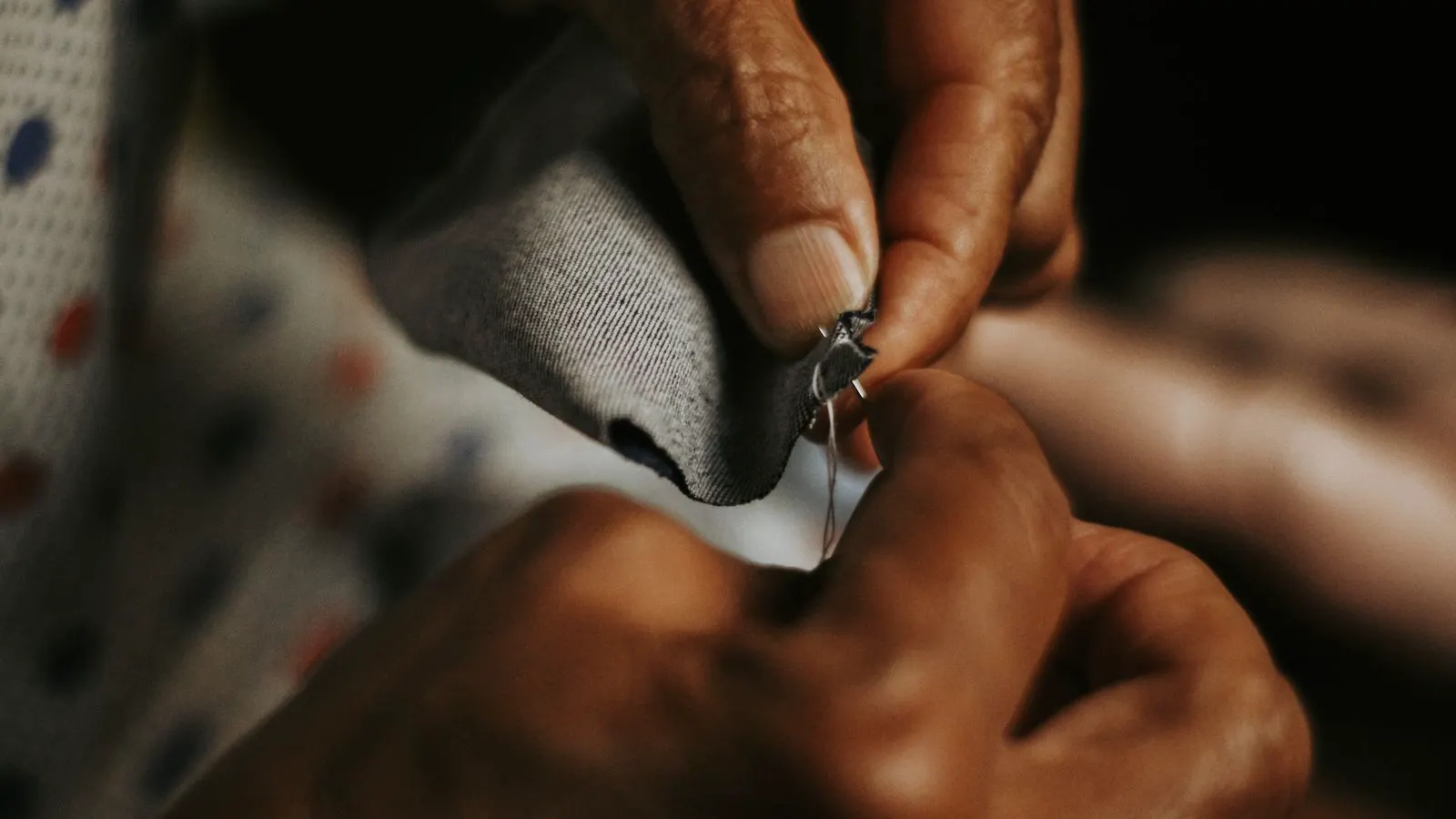
The manufacturing process also plays a role. Hardware must be attached in a way that will not come loose over time. Zippers are sewn to the fabric with a zipper foot. The stitch density and strength are critical. If the stitching is weak, the zipper will pull out of the fabric. Buckles are often sewn with multiple rows of thread or attached with rivets. D-rings are often riveted or sewn with bar tacks. The supplier must use the correct attachment method for each component.
Decision Checklist for Hardware Selection
Before placing an order for bag hardware and fastener selection, run through the following checklist. This ensures that every component is suitable for the specific application.
- Define the load: What is the maximum weight the bag will carry? The hardware must support this weight plus a safety margin.
- Identify the environment: Will the bag be exposed to rain, salt, or extreme temperatures? Select materials accordingly.
- Choose the zipper type: Coil for lightweight and flexible use. Metal for heavy-duty and high-stress applications.
- Select buckle material: Plastic for light internal use. Metal for external compression and high-stress straps.
- Check D-ring strength: Ensure D-rings can support the full weight of the bag when lifted by the handle.
- Verify material compatibility: Confirm that the bag body fabric is strong enough to support the hardware without tearing.
- Review attachment methods: Confirm that zippers, buckles, and D-rings are attached with reinforced stitching or rivets.
- Request test data: Ask the supplier for load ratings and cycle life data for zippers and buckles.
- Inspect samples: Check the sample for rough edges, loose threads, and weak stitching.
- Plan for maintenance: Consider how the hardware can be replaced if it fails. Modular hardware is easier to repair.
Hardware selection is a technical decision that requires attention to detail. The components you choose will define the durability and performance of the travel bag. A well-chosen set of bag hardware and fastener selection will last for years and withstand the rigors of travel. A poorly chosen set will fail early and damage the brand’s reputation.
The criteria table below summarizes the key factors to consider when selecting hardware for different luggage applications.
| Criterion | What to look for | Why it matters |
|---|---|---|
| Load Capacity | Explicit load ratings for zippers, buckles, and D-rings | Prevents failure under maximum weight and ensures structural integrity. |
| Corrosion Resistance | Stainless steel grade or appropriate coatings | Extends product life in humid or coastal environments. |
| Zippy Type | Coil for light use, metal for heavy use | Balances weight, cost, and durability based on application. |
| Buckle Material | Metal for external straps, plastic for internal | Ensures the strap system can handle compression and tension. |
| Material Compatibility | Strong fabric edges and reinforced stitching | Prevents hardware from tearing the bag body fabric. |
| Cycle Life | Number of opening and closing cycles tested | Guarantees the zipper and buckles remain functional over time. |
The final step is always to test. A prototype bag with all the hardware installed should be subjected to a full range of use. Lift it by the handles, compress the straps, open and close the zippers hundreds of times. Check for any signs of wear, looseness, or deformation. This testing phase is where many issues are found before they reach the customer. If a component fails in testing, it is cheaper to replace it now than to recall a batch of finished bags later.
Hardware is often an afterthought in the design process, but it should not be. It is a critical part of the bag’s structure and user experience. By applying these criteria and following the decision checklist, you can select hardware that meets the demands of the travel market and supports the long-term success of your product line. The goal is to create a bag that feels solid, functions smoothly, and lasts for years of use. That starts with the right choice of bag hardware and fastener selection.
Frequently asked questions
What is the difference between coil and metal zippers?
Coil zippers are made from plastic wire and are lighter and cheaper. Metal zippers use individual metal teeth and are heavier but more durable.
How do I choose the right buckle for a travel bag?
Choose plastic buckles for lightweight internal straps. Choose metal buckles for external compression straps that experience high shear force.
What material is best for D-rings on a heavy travel bag?
Stainless steel D-rings are best for heavy travel bags. They resist corrosion and can support the full weight of the bag when lifted by the handle.
Why is material compatibility important for hardware?
The bag body fabric must be strong enough to support the hardware. If the fabric is too weak, the zipper or buckle can pull the fabric apart at the seams.
How many cycles should a zipper be tested for?
The required cycle life depends on the expected usage. Heavy-duty travel bags may require zippers tested for several thousand cycles to ensure long-term durability.