Materials & Hardware
2026 Outlook for Recycled Metal in Luggage Hardware
Recycled metal hardware adoption is changing luggage sourcing in 2026. Procurement managers must plan for higher material traceability, stricter supplier audits, and
Guides on fabrics, zippers, buckles, and other components used in bags.
Recycled metal hardware adoption is changing luggage sourcing in 2026. Procurement managers must plan for higher material traceability, stricter supplier audits, and

Fabric durability testing uses tensile, abrasion, and seam strength checks to predict how luggage materials will hold up. These methods help buyers verify quality

Zipper failure in luggage usually stems from poor material fit, incorrect stitching, or weak hardware. This guide lists common symptoms, identifies the root cause, and

Custom bag hardware costs vary by material, finish, tooling, and quantity. Lead times depend on supplier capacity and approval steps. A precise RFQ, standardized
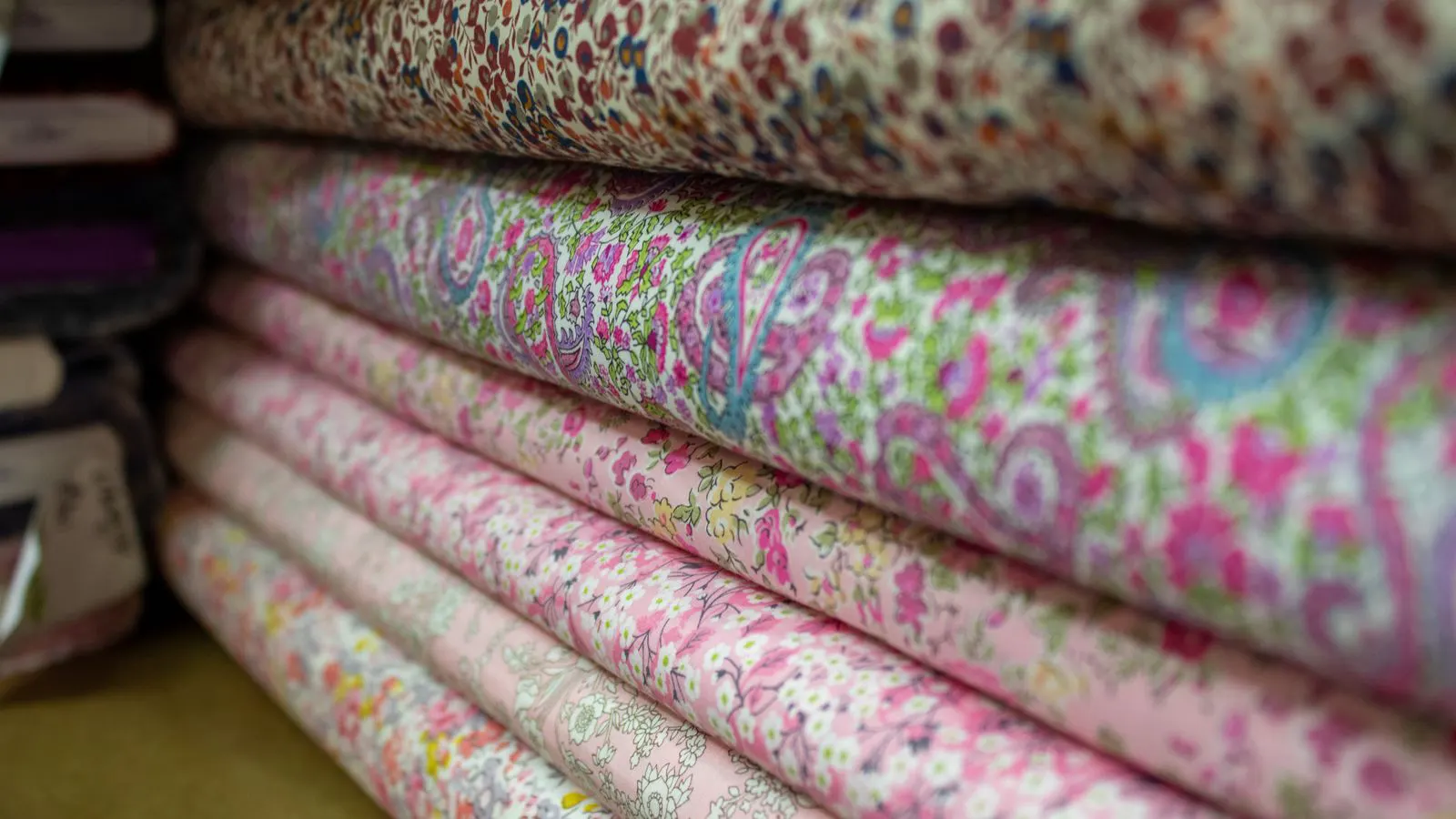
Recycled fabrics in luggage are moving from novelty to standard specification. Buyers should plan for supply consistency, performance testing, and label clarity. This
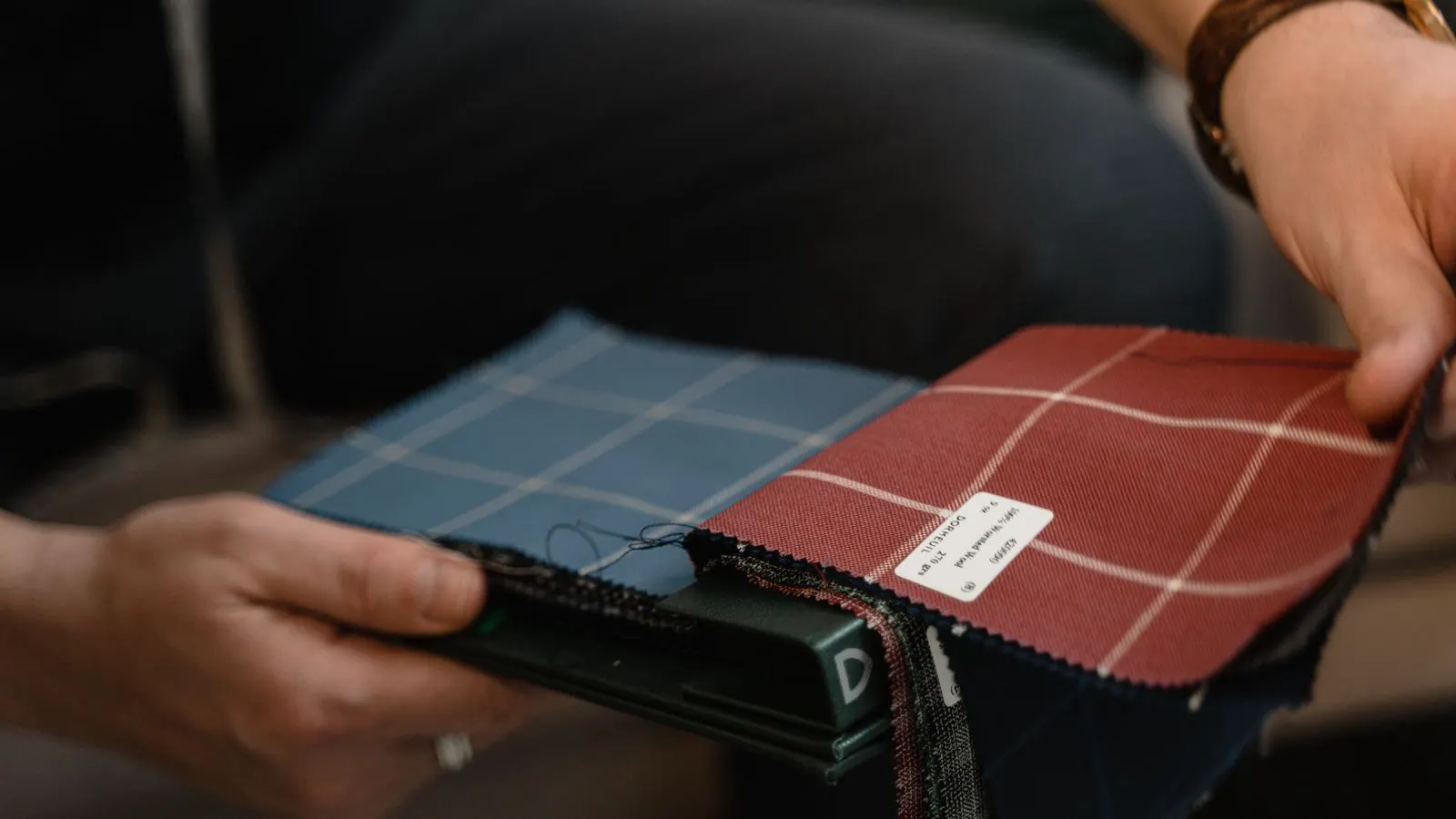
Select the right fabric weight for tote bags by matching thread count and coating type to the expected load. Heavier loads require denser cotton or polyester blends

YKK and SBS zippers serve different procurement needs. YKK offers a deeper catalog and higher perceived value for premium lines. SBS provides cost-effective options for

This guide provides a practical audit checklist for evaluating bag hardware. It covers material composition, surface finish, dimensional fit, load testing, and supplier
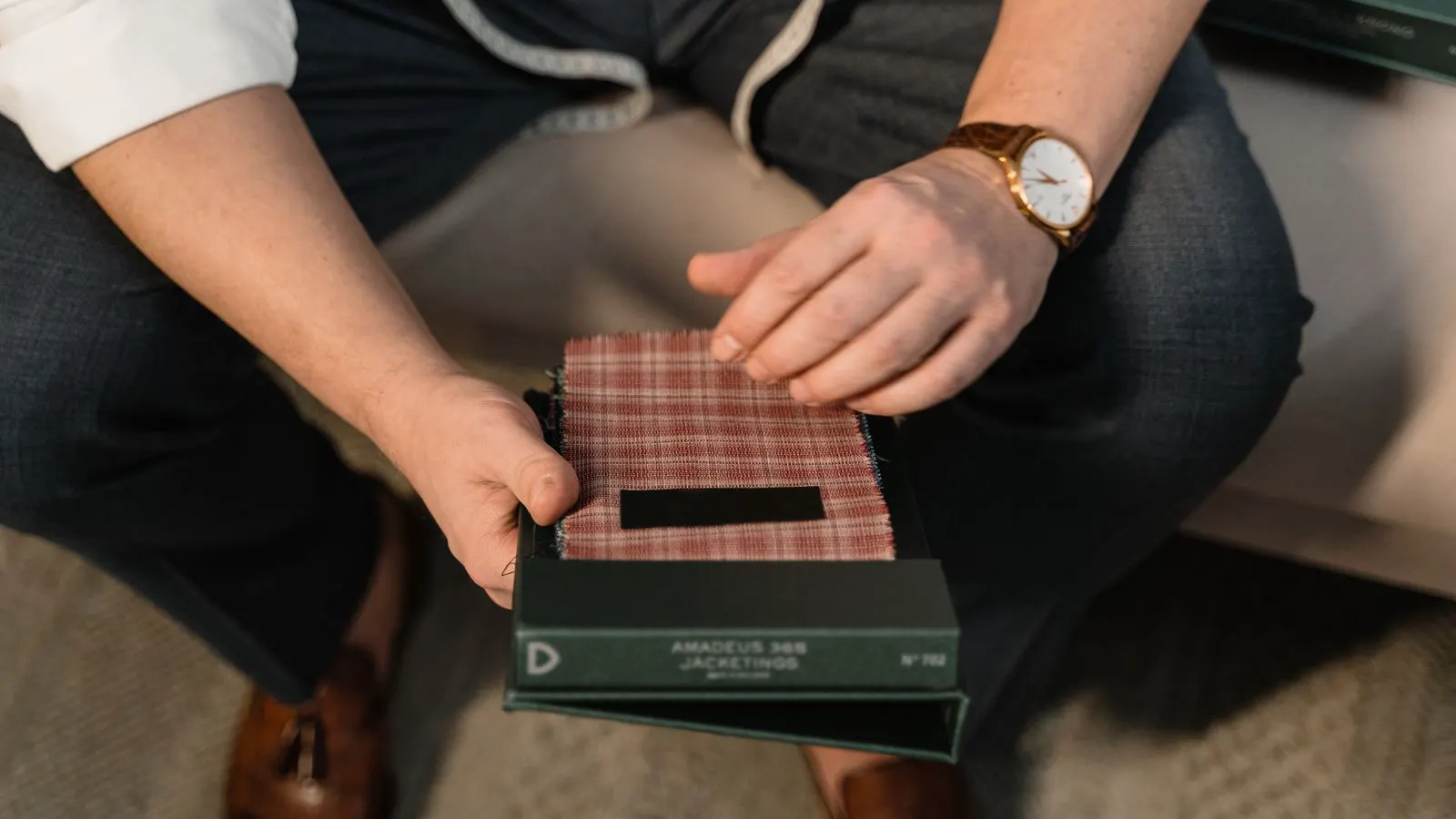
PVC coated fabrics are tougher and handle abrasion better, while PU coated fabrics offer lighter weight and flexibility. Buyers select based on luggage type, expected