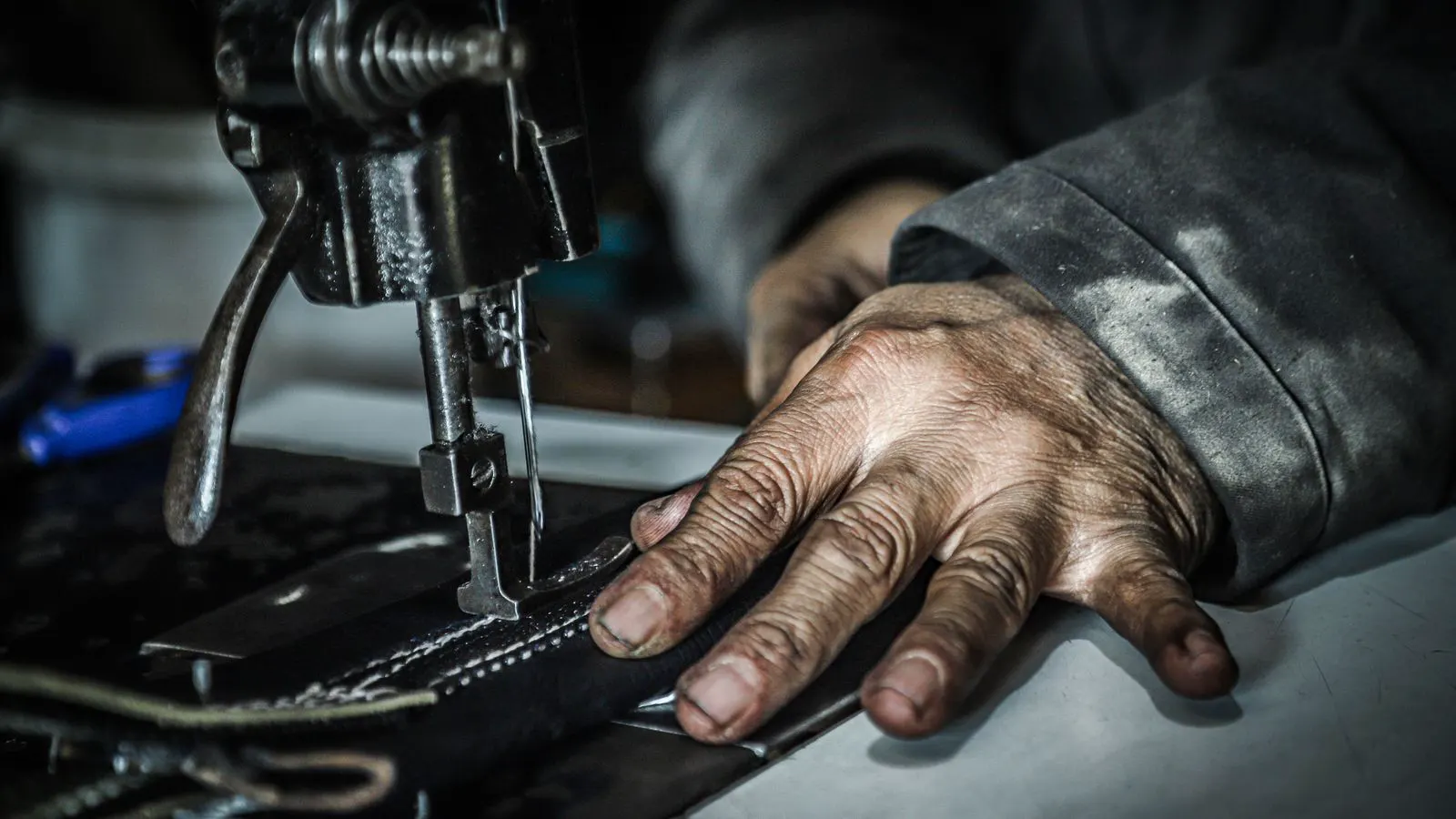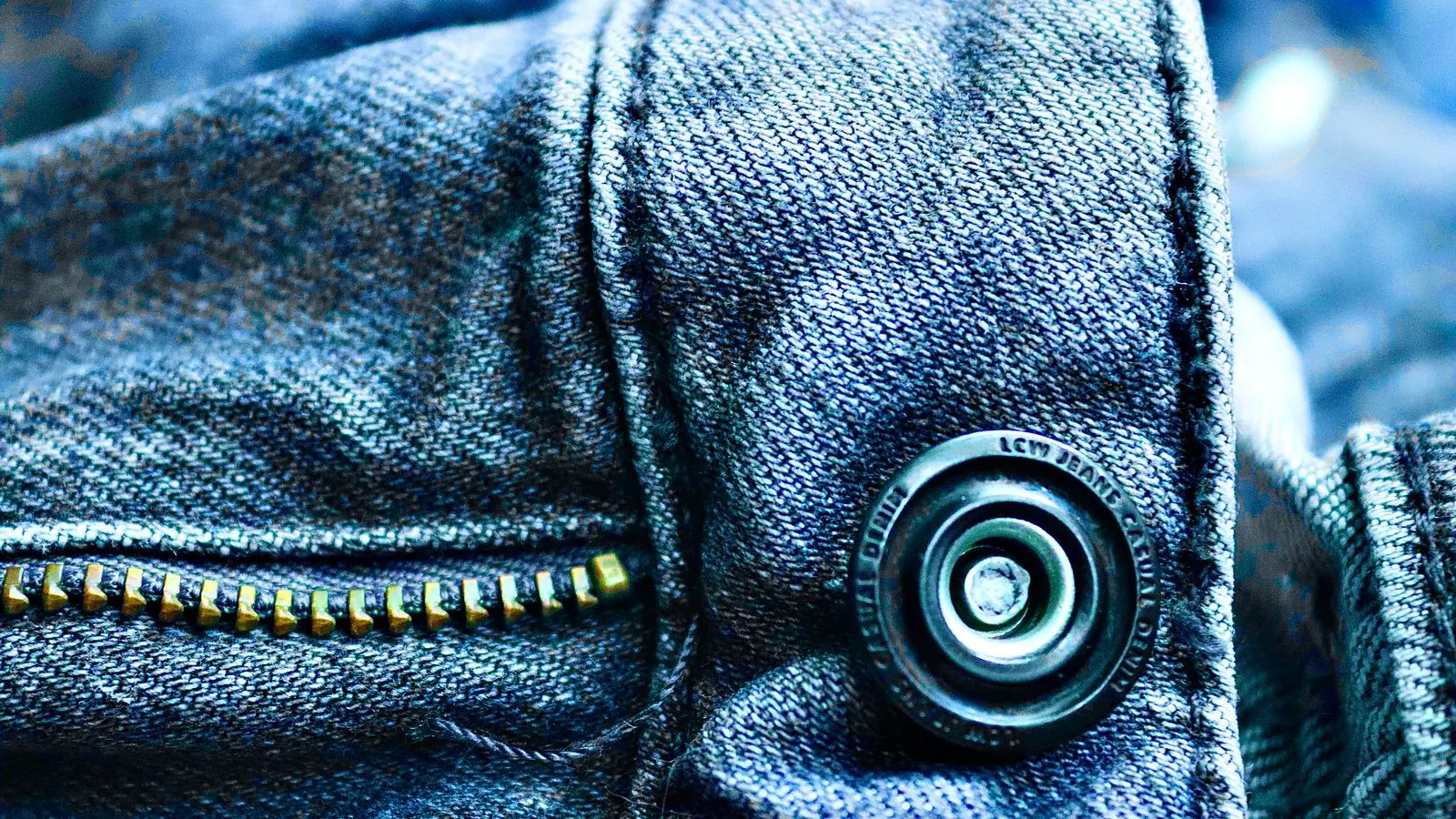
Future-proofing small accessory lines requires moving beyond novelty materials. Buyers must plan for recycled leathers, alternative textiles, and traceable hardware. This guide outlines six practical shifts in handbag manufacturing and bag accessories that support durable, sustainable sourcing.
- Shift from single-use novelty materials to durable recycled leathers and technical textiles.
- Standardize accessory material specs to reduce supplier variation and support traceability.
- Plan for longer tooling and hardware lead times when changing material systems.
- Test accessory durability under repeated stress to validate sustainable material claims.
- Document sourcing and treatment processes to support buyer confidence and compliance.
Small accessory lines sit at the edge of a product where material choice and visual impact meet. A cardholder, coin pouch, or small wristlet uses less material than a full handbag, but it still carries the same brand expectations for finish, weight, and feel. Buyers are increasingly asking for sustainable options in these items because they are visible, frequently replaced, and easier to redesign than a core bag line.
The challenge is not finding eco-friendly material. The challenge is selecting materials that survive production, retail handling, and years of customer use. A sustainable material that fails in the first season damages the brand more than a conventional material that performs well.
What changes when buyers adopt recycled leathers?
Recycled leathers have moved from experimental options to standard sourcing categories. These materials often come from offcuts, failed tanning batches, or end-of-life leather goods. They provide a familiar texture and weight that supports existing handbag manufacturing processes.
The practical shift is in consistency. Recycled leather varies in grain, color depth, and thickness. A tannery may produce a beautiful sample that does not repeat at scale. Buyers should specify tolerances early. If a cardholder uses a 1.5mm top-grain equivalent, define the acceptable grain variation and color delta. A color delta of 1.0 or less is often a safe starting point for visual consistency, but this depends on the finish. A matte finish hides minor color shifts better than a glossy one.
Recycled leathers also change cutting patterns. Offcuts may have irregular edges. Production teams need to adjust layout planning to minimize waste and avoid placing blemishes in visible areas. This adds minor complexity to handbag manufacturing but does not require new equipment. For example, a coin pouch pattern may need to be rotated to avoid a scar or a patch on the front panel. The cutting team must inspect each roll of material before marking the pattern. This step takes extra time but prevents rejects from reaching the assembly line.
Another factor is the feel of the material under the thumb. New leather has a tight, uniform surface. Recycled leather may have a softer hand or a more porous texture. If the accessory is intended to feel firm, the material may need a light coating or a backing. Without this intervention, the pouch may feel flimsy in the customer’s hand. The coating also affects how the material takes dye. Some recycled leathers absorb pigment unevenly, creating mottled patches on the surface. Buyers must test dye absorption on a small batch before committing to a full production run.
Which alternative textiles work for small accessories?
Technical textiles offer a different approach to sustainability. Recycled polyester, cotton canvas, and linen blends can replace leather in lightweight accessories. These materials are lighter, more flexible, and often cheaper than leather.
The trade-off is perception. A customer may expect weight and stiffness from a small leather goods item. A cotton coin pouch feels different from a leather one. If the brand identity depends on a firm structure, textiles may not fit unless reinforced with a backing or board. A thin cardboard insert or a molded pulp base can provide the necessary shape. The material must be chosen to match the structural need. A heavy canvas may not need support, while a thin linen blend might require a rigid core to maintain its form.
Buyers can use textiles for secondary items, such as travel pouches or gift wrap sets. They can also use them for seasonal capsule collections. This reduces material risk while testing customer response. When introducing a textile accessory, the design should account for the material’s behavior during washing. Cotton canvas may shrink after the first wash. If the pouch is not shrunk before finishing, the final dimensions will be off. The pattern maker must add shrinkage allowance to the template.
Linen is another option for premium seasonal accessories. It has a natural texture and a distinct look. However, linen creases easily. A customer folding a linen cardholder will create permanent lines. The design should minimize sharp corners and use rounded edges to reduce creasing. The stitching also needs attention. Linen threads may fray differently than nylon threads. Using a matching thread color and a reinforced stitch can improve the appearance of the finished item.
How should buyers plan hardware and closure systems?
Bag accessories rely heavily on metal components: clasps, rings, sliders, and snaps. Sustainable material choices must align with hardware sourcing. A vegan leather pouch with a nickel-heavy clasp creates a mixed message.
Buyers should ask suppliers for documentation on metal content and plating processes. Some platings contain restricted substances that complicate compliance in certain markets. Standardizing on a small set of approved hardware suppliers reduces testing burden and supports traceability. For instance, a buyer might limit hardware to three or four approved suppliers who provide regular test certificates. This limits the number of compliance checks required for each new accessory.
Hardware lead times can be long. If a buyer changes the material system for a new season, the hardware may not be available in time. Plan tooling and casting lead times before finalizing accessory designs. This is especially true for custom shapes that match a specific bag line. A custom clasp may take several months to approve and produce. If the design is finalized late, the buyer may need to use a standard off-the-shelf part, which may not match the aesthetic of the collection.
The choice of closure system also affects durability. A magnetic snap is easy to use but may weaken over time. A metal clasp is more durable but requires precise alignment during assembly. The material of the accessory affects how the hardware attaches. Leather needs grommets or reinforced stitching to hold metal rings. Textiles may need webbing loops or bar tacks to distribute the stress. The attachment point is often the first thing to fail. If the stitching around the clasp breaks, the hardware remains intact but the accessory is damaged. Buyers should specify the thread strength and the number of stitches around each hardware point.
What testing should buyers require for sustainable materials?
Sustainable materials do not automatically mean lower durability. Some recycled leathers are softer and more prone to abrasion than new tanned leather. Some technical textiles may pill or fade under UV exposure.
Buyers should run a standard test panel against the finished accessory. Typical tests include abrasion resistance, colorfastness to rubbing, and dimensional stability after washing or heat exposure. For leather goods, salt spray testing may be relevant if the accessory includes metal parts. Salt spray simulation helps predict how the metal will corrode in a humid environment. If the coating on the hardware fails, the metal underneath will rust and stain the material.
The goal is not to prove the material is perfect. The goal is to know how it fails. If a material fails predictably, the brand can set expectations or adjust the design. A cardholder that shows wear at the edges after six months is different from one that cracks at the stitching after two weeks. Edge wear is a natural part of use. Cracking at the stitching indicates a manufacturing defect or a material incompatibility.
Colorfastness is a critical area for small accessories. A dark coin pouch rubbed against a white shirt will transfer color if the dye is not fixed properly. Buyers should test the material against a white cotton swab after a standard number of rubs. The result should show no visible transfer. If there is a slight transfer, it may be acceptable depending on the market standards. However, a heavy transfer will result in customer complaints. The dyeing process must be adjusted if the initial test fails.
Abrasion testing should mimic real-world use. A cardholder is often wiped against a table or a desk. The test should use a rough surface and apply moderate pressure for a set number of cycles. The result will show where the material wears. If the top layer wears away quickly, the material may need a protective finish. If the wear is even, the material may be suitable for the intended use.
How does sourcing documentation affect buyer confidence?
Documentation is a growing part of material selection. Buyers want to know where a material comes from, what treatments were applied, and whether the supplier follows environmental or labor standards.
For small accessories, this documentation can be lighter than for a full handbag line. A supplier can provide a material declaration, a treatment summary, and a batch traceability code. This does not require a full audit, but it gives the buyer a clear paper trail. A material declaration should list the composition of the material. For a recycled polyester pouch, the declaration should state the percentage of recycled content and the source of the fiber.
Documentation also supports internal decision-making. When a new material is introduced, the team can compare it against previous options using the same data points. This reduces the chance of repeating a failed sourcing decision. If a material failed in the previous season due to poor colorfastness, the documentation from that batch should be kept. When a new supplier offers a similar material, the buyer can compare the test results directly. If the new material fails the same test, the buyer can reject it quickly.
The batch traceability code links the finished accessory to the raw material batch. If a customer reports a defect, the buyer can identify the specific batch of material used. This makes it easier to isolate the problem and contact the supplier for a resolution. Without this code, the buyer may have to investigate multiple batches to find the source of the defect. This delays the process and increases the risk of shipping defective products to the market.
How should buyers structure their material roadmap?
A material roadmap is a simple planning tool. It lists materials by year, intended use, and risk level. For example, a buyer might list recycled leather for core cardholders, recycled polyester for travel pouches, and a new bio-based coating for seasonal items.
The roadmap should include fallback options. If a supplier cannot deliver the primary material on time, the buyer needs a pre-approved alternative. This keeps production moving and protects the retail calendar. The fallback material should be tested and approved in advance. If a supplier fails to deliver, the buyer cannot spend weeks testing a new alternative. The fallback should be a known quantity with existing test data and approved samples.
The roadmap should also include review points. Materials change. Supplier capacity changes. Market expectations shift. A quarterly review of the material list helps the team adapt without scrambling. During the review, the buyer should assess the performance of the current materials. If a material is receiving high return rates due to wear, the roadmap should reflect a plan to replace it. The review should also check the supplier’s financial stability and production capacity. A small supplier may not be able to scale up if the accessory becomes popular. Having a backup supplier in place prevents production halts.
Comparison of material options for small accessories
| Material | Best Use | Durability Consideration | Sourcing Complexity |
|---|---|---|---|
| Recycled leather | Cardholders, small pouches | Varies by tannery; test grain and thickness | Moderate; requires consistency checks |
| Recycled polyester | Travel pouches, lightweight pouches | Good abrasion resistance if woven tightly | Low; widely available |
| Cotton canvas | Gift sets, secondary accessories | May pill or fade; needs finishing | Low to moderate; colorfastness testing |
| Bio-based coating | Seasonal items, specialty finishes | May be less flexible; test adhesion | Moderate; supplier availability varies |
| Natural linen | Premium seasonal accessories | Can crease; requires soft handling | Moderate; sourcing and finishing |
Practical steps for a 12-month preparation plan
- Audit existing accessory materials and identify which items have the highest replacement rate.
- Select two pilot materials for small accessories and run a limited production batch.
- Run durability testing on the pilot materials and compare results against current materials.
- Standardize hardware and closure specifications to support the new material system.
- Build a simple material roadmap with fallback options and review dates.
- Collect supplier documentation for the pilot materials and store it with the design files.
The preparation does not require a large investment. It requires clear decisions, documented specs, and a willingness to test before scaling. Small accessory lines are the best place to begin because the material volume is low and the design cycle is short.
Buyers who plan for these shifts early avoid the problem of last-minute material changes. They also position their brand for customers who ask questions about sourcing. The answer does not need to be perfect. It needs to be documented, testable, and consistent.
Frequently asked questions
Can recycled leather replace new leather in all small accessories?
Not always. Recycled leather varies in thickness and grain, so it works best for accessories that do not require extreme structural stiffness. Buyers should test each application before committing to a full line.
What is the biggest risk when switching to sustainable materials?
Inconsistency. A material that looks great in a sample may not repeat at scale. The risk is reduced by defining tolerances, running pilot batches, and requiring documentation from suppliers.
Do small accessories need the same testing as full handbags?
They need targeted testing. Abrasion, colorfastness, and dimensional stability are the most relevant checks. The test panel should match the actual finished accessory, not just the raw material.
How long should buyers plan for hardware when changing materials?
Plan for the same lead times as custom hardware. If the clasp or ring is new, allow extra time for tooling and casting. Do not assume the new material will be ready before the hardware.
What is the simplest way to start a sustainable accessory line?
Start with one product type and one material. Use a small run, test durability, and document the results. This creates a baseline that makes future decisions easier and less risky.