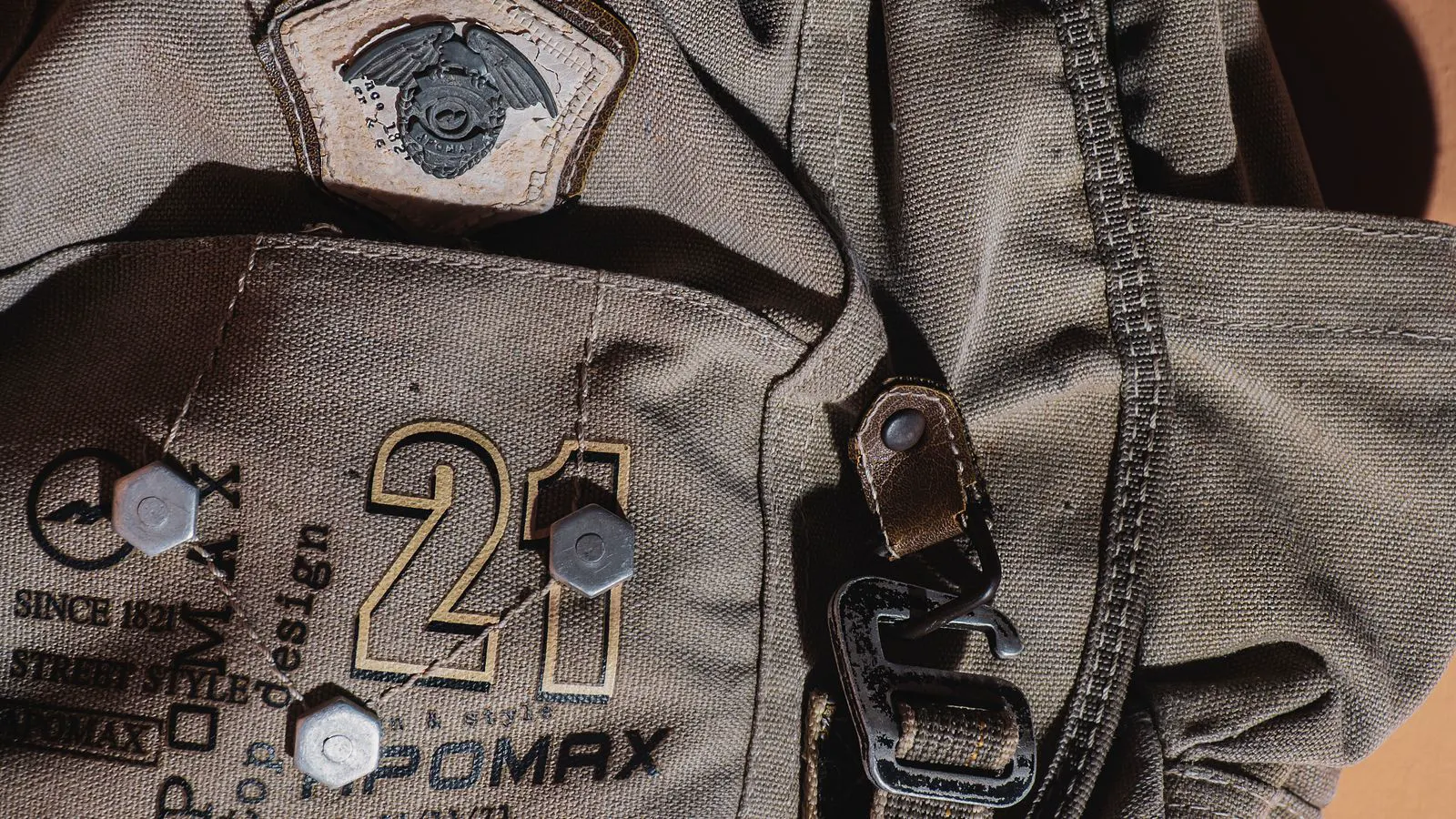
This guide provides a practical audit checklist for evaluating bag hardware. It covers material composition, surface finish, dimensional fit, load testing, and supplier documentation to help buyers reduce rejection rates.
- Verify material composition and plating depth before accepting samples.
- Check dimensional fit against the shell and lining before mass production.
- Test load capacity and cycle life for high-stress points like handles.
- Inspect surface finish for pitting, porosity, or uneven coating.
- Require documentation on plating, coatings, and salt spray test results.
Why Hardware Fails Before Bags Do
Bag hardware failure rarely happens in isolation. A zipper pull snaps, a buckle corrodes, or a D-ring tears through the fabric. These defects surface after the bag is in the customer’s hands, which damages the brand and triggers returns.
The root cause is usually upstream. The component failed because the material was too soft, the plating was too thin, or the supplier did not test the piece under realistic stress. A common failure mode involves a steel frame zipper where the teeth are cast from low-grade metal. Over time, the teeth deform under tension, causing the zipper to stick or jam. The bag shell may look perfect, but the hardware is the weak link.
A structured selection process prevents these issues. It shifts quality control from a final inspection to a pre-production requirement. When you define the mechanical properties of the metal, the thickness of the protective coating, and the exact dimensions required for the shell, you remove guesswork from the supply chain. This approach protects your brand by ensuring that every piece of hardware meets the specific demands of the bag it serves.
Material Composition and Corrosion Resistance
Start by confirming the base material. Aluminum, brass, steel, and zinc alloy each behave differently under stress and moisture. For example, brass offers good corrosion resistance and a premium appearance, but it is softer than steel, making it susceptible to denting if the user drops the bag. Zinc alloy is often used for molded buckles and clasps because it allows for complex shapes, but it is less dense and may feel lighter than expected.
Checklist: Material Verification
- Confirm the alloy composition in the technical drawing.
- Verify the plating type: chrome, nickel, anodized, or powder coat.
- Check for magnetic response if non-magnetic material is required.
- Review salt spray test reports for corrosion resistance.
Red Flags
- Unlabeled alloys: If the supplier cannot specify the exact alloy, the material is likely a generic mix.
- Thin plating: Visual inspection is not enough. Ask for electrochemical coating thickness measurements.
- Discoloration: Uneven color on the sample usually indicates plating failure or inconsistent curing.
Corrosion is a slow-moving enemy. A small pinhole in the plating can allow moisture to reach the base metal. Once the metal begins to oxidize, the damage spreads outward, often staining the surrounding fabric. This is why salt spray testing is a standard requirement for many industrial and travel bags. The test simulates years of exposure in a few days. If the hardware passes the test, the coating is likely thick enough and adhered well enough to resist environmental degradation.
Dimensional Accuracy and Fit
Hardware must match the shell, lining, and stitching patterns exactly. A zipper that is two millimeters off can pull the fabric out of alignment. A buckle that is too wide can prevent the bag from closing properly. Fit is a mechanical relationship between the component and the structure that holds it. If the dimensions are wrong, the bag will feel awkward to use, and the stress on the stitching will increase, leading to premature failure.
Checklist: Fit and Tolerance
- Measure the width of zippers and buckles against the shell opening.
- Check the hole diameter for rivets and screws.
- Verify the length of handles against the bag’s grip point.
- Test the zipper teeth engagement over the full range.
Red Flags
- Loose tolerances: If the supplier cannot guarantee tight tolerances, expect fit issues on the production run.
- Mismatched thread pitch: Screws that do not thread smoothly into the shell or hardware indicate a compatibility error.
- Fabric tear points: If the hardware pulls the fabric when tightened, the design needs reinforcement.
Consider a handle attachment point. If the rivet hole is drilled 1 millimeter too close to the edge of the leather or canvas, the material may crack or tear under load. The hardware itself may be strong, but the attachment point is compromised. This is why dimensional drawings must include clearances and tolerances. You need to define the maximum and minimum dimensions so that the supplier knows what is acceptable. A tight tolerance ensures that the hardware fits the bag as designed, reducing the risk of assembly errors on the production line.
Surface Finish and Aesthetics
The finish protects the metal and defines the visual quality. A rough or pitted surface is not just ugly; it is a sign of poor manufacturing. It often indicates that the metal was not properly cleaned or prepared before plating. This can lead to poor adhesion, meaning the coating will flake off over time.
Checklist: Surface Inspection
- Inspect for pitting, porosity, or scratches under magnification.
- Check the uniformity of the plating color.
- Test the resistance of the finish to fingerprinting and smudging.
- Verify that edges are smooth and not sharp.
Red Flags
- Blotchy coating: Indicates inconsistent application or a defective curing process.
- Sharp edges: Can damage the user’s fingers or the bag’s lining.
- Tarnish: If the sample tarnishes quickly, the base metal is not suitable for the intended environment.
Aesthetics matter in B2B because they signal quality. A customer who sees a pitted or scratched surface will assume the entire bag is poorly made. This perception can outweigh the actual performance of the product. Therefore, the finish must be consistent across the entire production run. This requires the supplier to maintain stable process parameters, such as bath temperature, current density, and rinse quality. If these parameters drift, the finish will vary, leading to a batch of bags with inconsistent appearance.
Load Capacity and Cycle Life
Hardware must withstand the weight of the contents and the physical wear of daily use. A zipper that fails after 100 cycles is not fit for a travel bag. Cycle life is a measure of how many times a component can be opened and closed before it fails. For a laptop bag, the user may open and close the zipper dozens of times a day. Over a few years, this adds up to thousands of cycles. The hardware must be designed to withstand this usage pattern.
Checklist: Performance Testing
- Test the pull strength of zippers and buckles.
- Cycle the hardware repeatedly to check for wear.
- Apply lateral force to D-rings and handles.
- Check the rivet strength by pulling on the fastened points.
Red Flags
- Loose teeth: If the zipper teeth are not engaged tightly, the bag will open under load.
- Buckling handles: If the handle bends or twists under pressure, the material is too soft.
- Rivet failure: If the rivet pulls out of the fabric or the hardware, the attachment method is insufficient.
Load testing simulates the worst-case scenario. For a suitcase, this might mean filling it with the maximum recommended weight and pulling it across the floor. For a backpack, it might mean hanging a heavy object from the handle. The goal is to find the breaking point and ensure that the hardware has a safety margin. If the hardware fails during the test, it will fail in the field. By testing the limits, you can identify weak points and require the supplier to improve the material or design.
Supplier Documentation and Traceability
A reliable supplier provides documentation that proves the hardware meets specifications. Without this, you are relying on verbal promises. Documentation is the paper trail that links the material, the process, and the final product. It is your defense in case a quality issue arises.
Checklist: Documentation Review
- Request the material test certificate for the base metal.
- Review the plating test report for thickness and adhesion.
- Check the salt spray test results for corrosion resistance.
- Verify the batch number and date of manufacture.
Red Flags
- Missing reports: A supplier who cannot provide test reports is likely cutting corners.
- Generic certificates: If the certificate does not match the specific order, it is not valid.
- No batch traceability: If you cannot trace a defect back to a specific batch, you cannot manage quality issues.
Traceability is critical for managing recalls or quality issues. If a batch of zippers fails in the field, you need to know exactly which bags contain them. You need to know which supplier produced them, which date code they have, and what material was used. Without this information, you cannot isolate the problem, which leads to unnecessary recalls and higher costs. A professional supplier will provide a material certificate that matches the specific alloy and heat treatment used for your order. They will also provide test reports that are specific to the plating process and the salt spray test conditions.
Final Pre-Production Audit
Before mass production, perform a final audit on a sample batch. This is your last chance to catch issues that did not appear in the initial sample. The pre-production audit is a comprehensive review of the hardware as it will be produced for your order. It involves inspecting multiple pieces, testing their function, and verifying the documentation.
Checklist: Pre-Production Audit
- Inspect a random sample of 10-20 pieces.
- Check the dimensions and fit against the bag.
- Test the load capacity and cycle life.
- Inspect the surface finish for defects.
- Verify the documentation and batch traceability.
Red Flags
- Inconsistency: If the sample pieces vary in quality, the production run will be inconsistent.
- Missing parts: If a screw or rivet is missing, the assembly process is flawed.
- Cosmetic defects: If the surface has scratches or dents, the packaging or handling process is inadequate.
The pre-production audit is a checkpoint. It ensures that the production process is stable and that the output matches the specifications. If you find issues during the audit, you have the opportunity to correct them before mass production begins. This saves time and money. If you wait until after production, the cost of rework is much higher. By catching issues early, you ensure that the final product meets the quality standards you have set.
Common Mistakes in Hardware Selection
Many buyers make the same errors when selecting bag hardware. These mistakes lead to defects and returns.
- Ignoring material composition: Choosing the wrong alloy leads to corrosion or breakage.
- Skipping salt spray tests: Without this test, you do not know if the hardware will last in humid environments.
- Failing to check fit: A hardware piece that does not fit the bag causes assembly delays and cosmetic issues.
- Accepting verbal promises: Do not rely on the supplier’s word. Require documentation.
- Skipping the pre-production audit: This is the last chance to catch issues before mass production.
These mistakes are common because they are often overlooked in the pursuit of cost savings. Buyers may choose a cheaper supplier who cannot provide the necessary documentation or testing. They may skip the pre-production audit to save time. However, the cost of these mistakes is usually much higher than the cost of a proper selection process. A small investment in quality control up front saves significant money in the long run.
Quick Reference Table: Hardware Inspection
| Component | Key Check | Red Flag |
|---|---|---|
| Zipper | Pull strength, cycle life | Loose teeth, broken pull |
| Buckle | Fit, thread pitch | Mismatched thread, loose fit |
| Handle | Bending strength, rivet | Bending under load, loose rivet |
| D-Ring | Lateral force, rivet | Pulling out of fabric, sharp edges |
| Clasp | Magnetic strength, fit | Weak magnet, misaligned teeth |
Conclusion
Selecting bag hardware is a technical process. It requires attention to material, fit, finish, and performance. A structured checklist ensures that you are making an informed decision. It reduces the risk of defects and improves the final quality of the bag.
Use this checklist as a baseline. Adapt it to your specific product requirements. The goal is to catch problems before they reach the customer.
Frequently asked questions
What is the most common cause of hardware failure?
The most common cause is material failure, such as corrosion or breakage due to the wrong alloy. Poor fit is also a major contributor to early failure.
How do I check if the plating is thick enough?
Ask the supplier for an electrochemical coating thickness measurement. Visual inspection is not sufficient to determine thickness.
What is the difference between a sample and a production run?
A sample is a single piece or small batch for approval. A production run is the full quantity. Quality can vary between the two, so a pre-production audit is necessary.
Do I need salt spray tests for all hardware?
Salt spray tests are recommended for hardware exposed to moisture, such as travel bags. They verify corrosion resistance before the product is shipped.
How many pieces should I inspect during a pre-production audit?
A random sample of 10 to 20 pieces is a standard minimum. More pieces are needed for larger batches to ensure statistical confidence.