Backpack manufacturing is shifting toward flexible small batches, material traceability, and automation. Buyers should prepare by diversifying suppliers, auditing factory capabilities, and aligning product design with new production constraints.
- Design for variable batch sizes to reduce inventory risk.
- Demand material traceability from suppliers to meet buyer compliance needs.
- Audit factory automation levels before committing to long-term orders.
- Plan for labor market shifts by diversifying production regions.
- Align product complexity with actual factory capabilities to avoid delays.
Backpack manufacturing is changing in ways that directly affect sourcing and production planning. Buyers are no longer just negotiating price and lead time. They are adapting to new expectations around material transparency, production flexibility, and factory automation. These shifts are reshaping luggage supply chains in ways that require more active supplier management. The gap between a smooth production run and a delayed shipment often lies in how well a buyer understands these structural changes.
How small batch production is changing order structures
Large single-PO orders are giving way to smaller, more frequent runs. Buyers are testing styles with limited quantities before committing to full seasonal volume. This approach reduces financial risk but changes the economics of factory production. A typical seasonal plan that once called for one 5,000-unit PO per style now might split that volume into four 1,250-unit POs released over six weeks. The factory floor has to absorb this change.
Factories must manage more changeovers in a shorter period. A production line that previously ran 5,000 units of one style for two weeks now might switch between 800 unit batches of different styles every three days. Setup times increase. Labor scheduling becomes more complex.
When a line changes from a canvas duffel to a technical pack, the cutting table must be cleared, the pattern pieces swapped, and the sewing stations reconfigured. The cutting machine may need new templates. The sewing stations must be adjusted for different thread tension and needle types. If the zippers change from a standard YKK size to a custom magnetic closure, the assembly station must be retrained.
Buyers should design products that minimize changeover costs. Fewer unique trims, simpler closure systems, and standardized panel layouts reduce the time needed to retool a line. If your product requires multiple special zippers or custom hardware, build that complexity into your lead time and cost. A factory that switches styles weekly will charge a premium for setup unless the design allows for rapid retooling.
Material traceability is now a standard expectation
Buyers and end consumers are asking for more documentation around material sourcing. This extends beyond basic chemical compliance to full chain of custody. A supplier might be asked to provide mill certificates, harvest dates for natural materials, and transport records. For a cotton canvas, this means knowing which mill produced the fabric, the date of the dye lot, and the date of transport to the garment factory.
This creates new administrative work for factories. Many smaller bag manufacturers did not build their systems to track materials down to the individual roll. They now need digital or paper trails that connect raw material lots to finished goods.
The practical impact is higher documentation costs and longer pre-production timelines. Factories that invest in material tracking early gain a competitive edge. They can respond quickly to buyer audit requests and avoid production holds.
Buyers who require traceability should factor this into their supplier evaluation. A factory with a strong traceability system may charge more for documentation but reduces the risk of compliance failures that stop shipments.
Labor market shifts affect factory capacity
Skilled seamers and quality inspectors are harder to find in many traditional manufacturing regions. Factories report difficulty hiring workers with the specific stitching skills needed for complex backpack construction. This affects production speed and quality consistency.
When a factory loses experienced workers, the learning curve for new hires extends beyond a few days. A seamer who can handle a simple panel takes weeks to master the tension and seam finishing required for load-bearing backpack structures.
Buyers should build buffer time into their schedules. If a factory needs two weeks to train new workers on your specific style, that time should be reflected in the production plan. Rushing this phase typically results in rework and quality complaints.
Some factories are responding by investing in worker training programs and retention incentives. These investments improve long-term stability but may not be visible in short-term cost negotiations.
Automation is changing what factories can and cannot produce
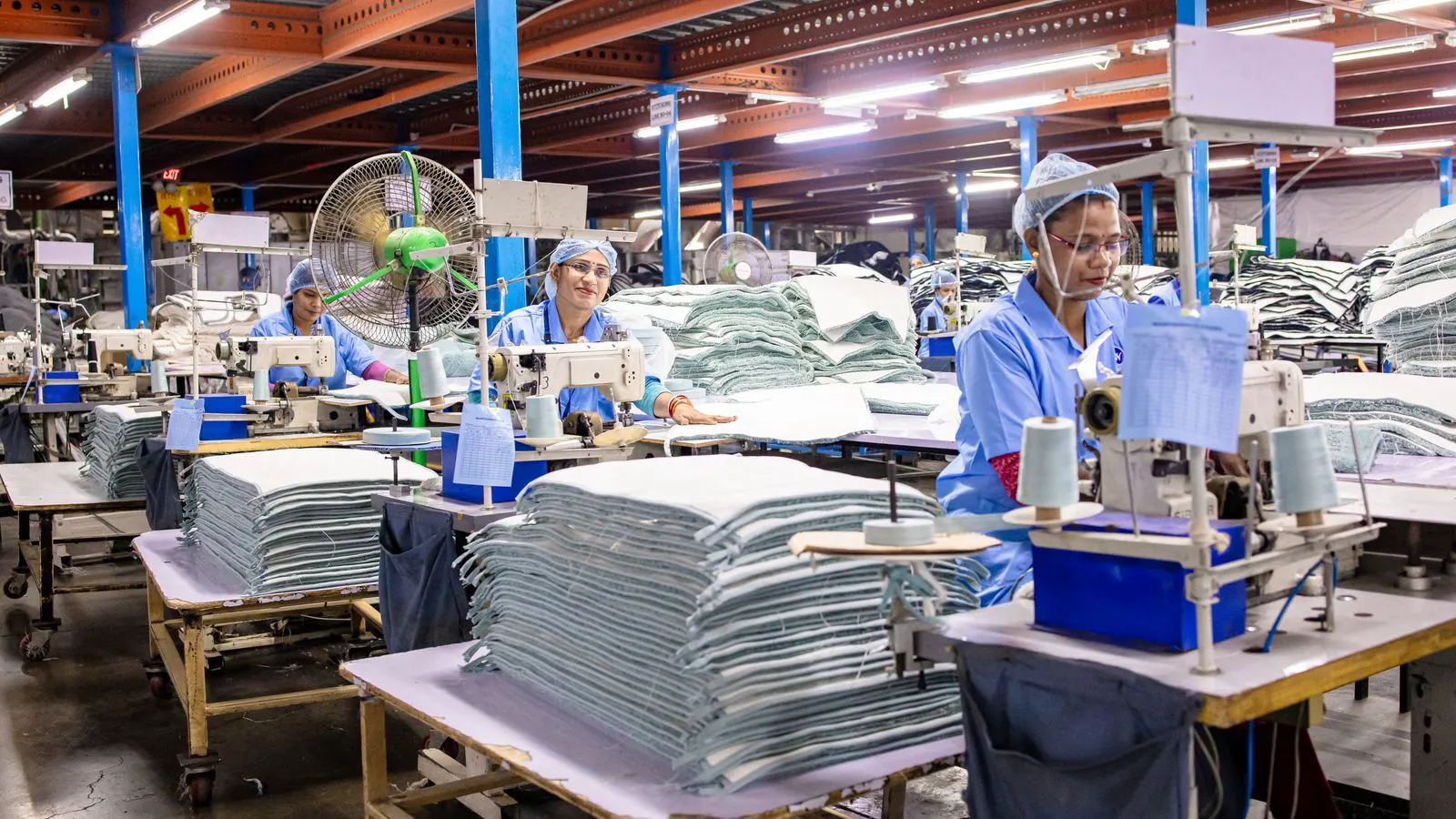
Automation is not replacing all manual work in backpack manufacturing, but it is changing the balance. Automated cutting tables reduce material waste and speed up panel preparation. Some factories use automated stitching for repetitive operations like base reinforcement.
However, complex construction still relies heavily on manual skill. A backpack with multiple compartments, custom padding, and integrated accessories requires careful hand work. The most efficient factories use automation for high-volume, low-complexity steps and reserve skilled labor for precision tasks.
Buyers should ask about automation levels during factory audits. A factory that automates cutting but relies on manual inspection may have different throughput and quality outcomes than one that automates both. Understanding these differences helps set realistic expectations for lead times and defect rates.
Supplier diversification reduces single-point risk
Many buyers are spreading production across multiple regions to reduce exposure to labor disruptions, material shortages, or quality issues. A single factory failure or a regional labor dispute can stop an entire seasonal program.
Diversification requires more management effort. You need to maintain quality standards across different facilities, coordinate material sourcing with multiple suppliers, and manage longer logistics chains. The cost of this complexity must be weighed against the risk of dependency on a single production source.
A practical approach is to identify a primary factory for your core styles and secondary factories for backup capacity. Maintain open lines of communication with both. This allows you to shift volume quickly if issues arise without starting production from scratch.
What to check before finalizing a new supplier
The table below outlines key areas to evaluate during supplier onboarding. These checkpoints help identify potential issues before they become production problems.
| Evaluation Area | Key Questions to Ask | Why It Matters |
|---|---|---|
| Material Sourcing | Can you provide mill certificates and transport records for each material lot? | Reduces compliance risk and supports traceability requirements |
| Labor Capacity | How many skilled seamers do you have for complex construction? What is your current training pipeline? | Prevents quality drops during production ramp-up |
| Automation Level | Which steps are automated? Which require manual skill? | Helps set realistic lead time and cost expectations |
| Changeover Efficiency | How long does it take to switch from one style to another? | Critical for small batch and multi-PO production |
| Quality Control | What is your inspection process at each production stage? How do you handle rework? | Ensures defect rates stay within acceptable limits |
These questions should be answered with specific examples, not general statements. A supplier that can show you their material tracking system or walk you through a recent changeover demonstrates operational maturity.
Preparing your production plan for the new environment
Your production plan needs to reflect the current realities of backpack manufacturing. Build in flexibility for smaller batches. Add buffer time for material documentation and worker training. Factor in the cost of quality control that matches your buyer requirements.
Communicate these expectations clearly to your suppliers. When you specify that you need material traceability or small batch capability, do so during the initial design phase. This allows the factory to advise on design changes that improve manufacturability.
The goal is not to find the cheapest factory. The goal is to find a partner whose capabilities match your production needs. A slightly more expensive factory with strong traceability, skilled labor, and efficient changeovers will likely save you more money over time than a low-cost factory that struggles with your requirements.
Frequently asked questions
How long should I allow for material traceability documentation in my lead time?
Add one to two weeks to your pre-production timeline if you require full material traceability. This covers the time needed for suppliers to gather mill certificates and transport records.
Can I produce small batch orders at the same unit price as large volume orders?
No. Small batch orders typically carry higher unit costs due to increased changeover time and lower production efficiency. Expect to pay a premium for flexibility.
What is the biggest quality risk when switching to a new factory?
The biggest risk is inadequate worker training on your specific style. Complex backpack construction requires skilled seamers who cannot be quickly replaced. Build training time into your schedule.
Do I need to audit factories for automation levels?
Yes. Understanding which steps are automated helps you set realistic lead times and quality expectations. Automation affects throughput and defect rates in specific ways.
How should I manage a multi-factory production strategy?
Assign a primary factory for your core styles and secondary factories for backup. Maintain regular communication with both to ensure quality standards and material sourcing remain consistent.