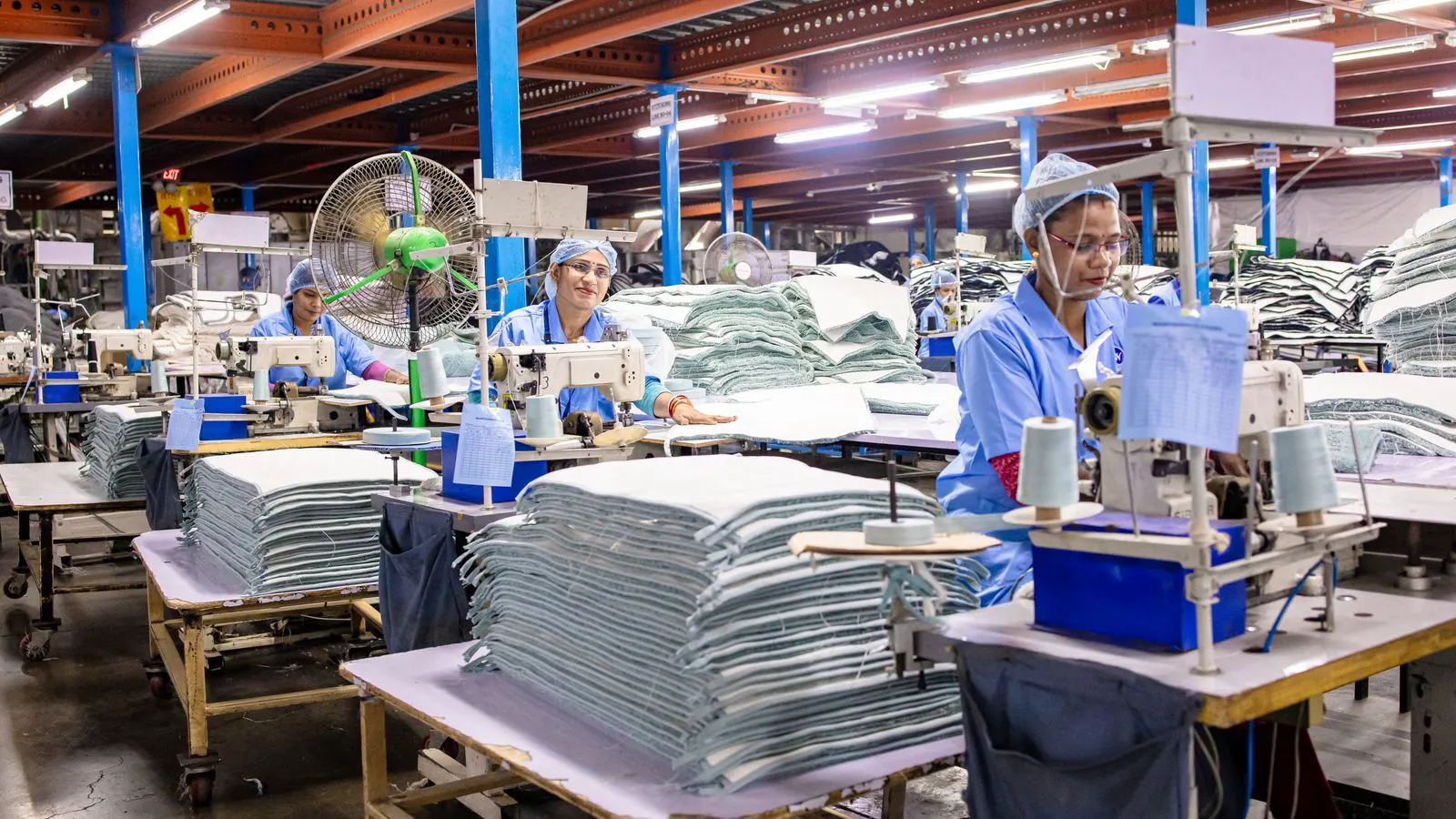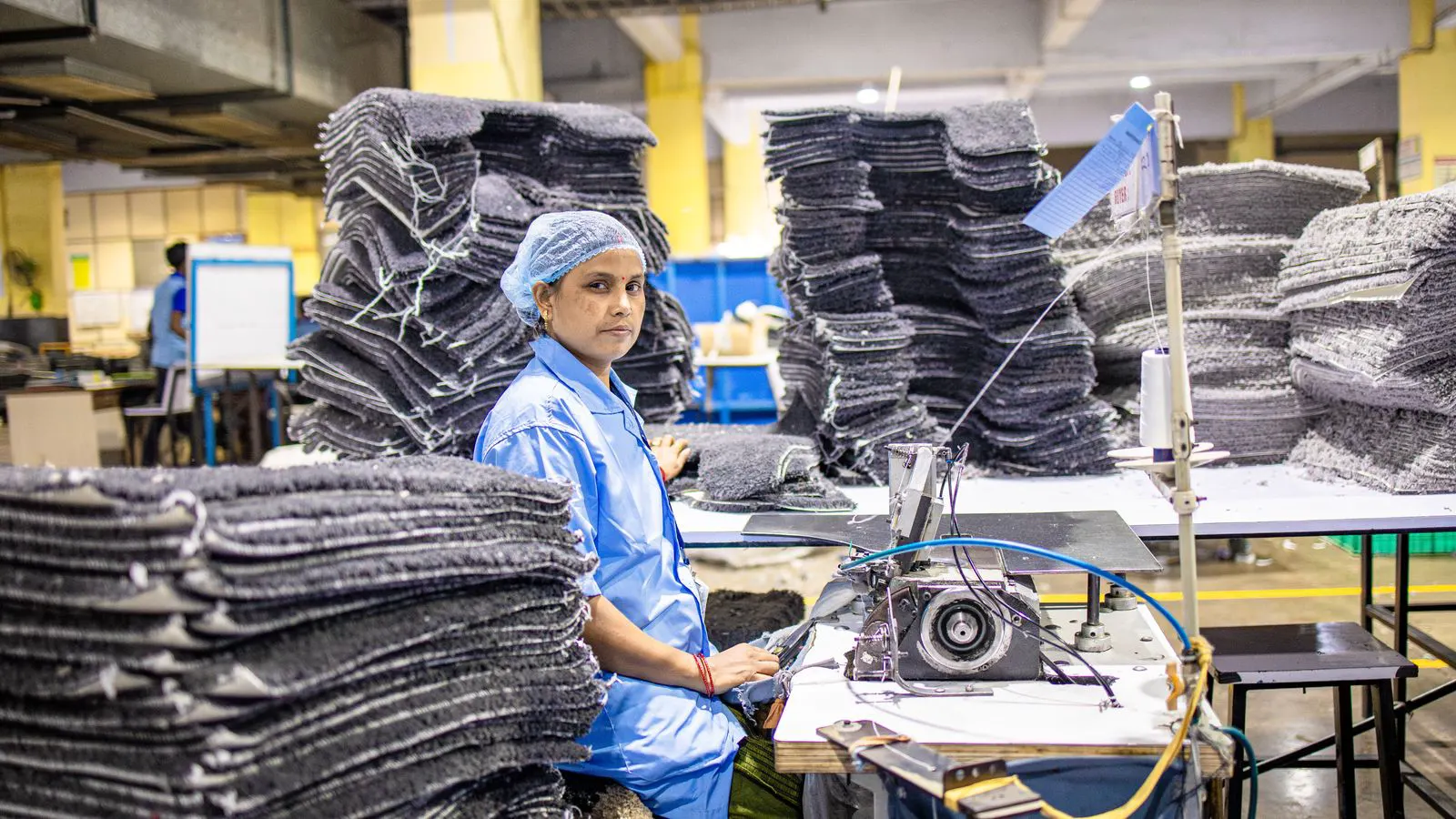
Travel bag design determines how forces move through the structure. Specific choices in panel geometry, seam placement, and hardware integration define failure modes. Engineers must evaluate these factors early to predict long-term durability and select appropriate materials.
- Panel geometry controls how weight distributes across the fabric and seams.
- Seam placement must align with primary stress axes to prevent early tearing.
- Hardware mounting points require reinforced reinforcement zones to handle repeated tension.
- Material selection must match the mechanical demands of the specific design.
- Testing protocols should target the weak points identified by the design layout.
Travel bag design is not just a visual exercise. It is the engineering blueprint that dictates how the product will age under load. A bag that looks identical to another may fail in six months or last for years. The difference lies in how the designer mapped forces through the material.
How load paths define failure modes
The first question in any structural review is simple. Where does the weight go? When a traveler loads a bag, gravity pulls the contents down. That force travels through the bottom panel, up into the side panels, and finally into the shoulder straps and the top handle.
Designers must draw these paths clearly. If the main load path crosses a flat seam without support, that seam becomes the first point of failure. A well-designed bag directs force through reinforced zones. The load spreads out before it reaches the hardware.
This concept directly affects sourcing decisions. A design with complex load paths requires a stronger main fabric. A simpler, more linear design can tolerate a lighter material. Buying the wrong fabric for the design leads to premature failure. The buyer must look at the technical drawing, not just the material spec sheet.
Panel geometry and stress concentration
The shape of the panels matters as much as the material. A square panel with four straight edges concentrates stress at the corners. A rounded panel distributes that stress along a longer curve. In a travel bag, the bottom panel is under constant pressure from the weight inside.
Sharp corners create stress concentrations. These are points where the material feels higher tension than the rest of the panel. Over time, the fabric fibers break at these points. The seam holding the corner may hold, but the fabric itself will fray or tear.
Engineers should look for gussets or reinforcement tapes at high-stress corners. These add material thickness and spread the force. Without them, the bag relies on the fabric strength alone.
Consider a basic 40-liter backpack. If the bottom panel is a simple rectangle, the corners are weak points. A designer can fix this by adding a triangular gusset at each bottom corner. This gusset takes the corner load and spreads it across the side seams. The result is a bag that handles heavier loads without corner failure. This small design change saves the buyer from a high defect rate in the field.
Seam placement and reinforcement
Stitching is the skeleton of the bag. A seam is not just a line of thread. It is a structural joint. If a seam runs across the primary load path, it must be reinforced.
There are two common reinforcement methods. The first is bar tacking. This is a dense cluster of stitches at the start and end of a seam, or at a point where the seam changes direction. Bar tacking prevents the thread from pulling out of the fabric under shock loads.
The second method is reinforcement tape. This is a strip of woven or non-woven material stitched onto both sides of the seam. The tape adds width and strength to the joint. It is often used on main load-bearing straps and handle attachments.
Sourcing decisions here are critical. Reinforcement tape adds cost and weight. It also adds bulk, which can affect the bag’s profile. A design that uses extensive tape requires a supplier who can handle the extra layers. A design that relies on bar tacking only requires standard stitching capability. The buyer must match the supplier’s capability to the design’s requirements.
Hardware integration and mounting
Buckles, zippers, and handles are not just accessories. They are structural components. When a traveler pulls a handle, the force hits the attachment point. If the attachment is weak, the handle detaches. The bag is then compromised.
Hardware must be mounted to a reinforced zone. This zone usually consists of a gusseted panel and internal reinforcement tape. The stitching must go through the reinforcement, not just the outer fabric.
Zippers are a common weak point. A zipper pull is under tension every time it is opened and closed. The tape holding the zipper to the panel must be strong. If the zipper is attached to a thin fabric without backing, the fabric will tear around the zipper teeth.
Engineers should inspect the zipper mounting. Look for double stitching on the zipper tape. Look for a fabric patch behind the zipper. These details indicate a design that expects long-term use.
Material selection for specific designs
No single material fits all travel bags. The right material depends on the design’s demands. A bag designed for heavy loads needs a high-density fabric. A bag designed for light travel can use a lighter, more flexible material.
The main fabric must have high tensile strength. This is the ability to resist being pulled apart. The fabric must also have high abrasion resistance. This is the ability to withstand rubbing against rough surfaces.
The lining fabric plays a different role. It does not carry the load. It protects the contents. It must be smooth and easy to clean. It does not need to be as strong as the outer shell.
The choice of material affects the bag’s weight. Heavier materials make the bag more durable but also heavier. A traveler carries the bag’s weight in addition to its contents. A design that uses a 1000 denier fabric is heavier than one that uses a 600 denier fabric. The buyer must weigh the durability benefit against the weight penalty.
Testing protocols for structural validation
Design changes must be tested before mass production. Structural testing focuses on how the bag handles force.
The primary test is the drop test. The bag is filled with a fixed weight and dropped from a specific height onto a hard surface. This simulates the impact of a bag being thrown into luggage. The test checks the bottom panel and the main seams.
The second test is the strap load test. The bag is suspended by the shoulder straps. A weight is added to the bottom handle. The straps are pulled until failure. This test measures the strap’s limit. A well-designed bag should show no deformation at typical load levels.
The third test is the zipper cycle test. The zipper is opened and closed hundreds of times. The test checks for tooth damage and tape separation.
These tests are not just quality checks. They are design validation tools. If a bag fails a drop test, the design must be revised. The engineer must identify the weak point. Is it the fabric? Is it the seam? Is it the hardware? The test result guides the next design iteration.
Sourcing decisions based on design requirements
The design dictates the sourcing strategy. A complex design with many reinforcement points requires a supplier with advanced sewing capabilities. A simple design can be produced by a basic supplier.
The buyer must review the design for manufacturability. Can the supplier handle the required stitching? Do they have the right needles and threads? Can they apply the reinforcement tape without creating bulk?
A design that requires many different materials creates a supply chain risk. Each material is a separate supplier. If one material is delayed, the production line stops. A design that uses fewer materials simplifies the supply chain.
The buyer must also consider the supplier’s testing capability. A supplier that only does visual inspection is not enough for a structurally demanding bag. The supplier must be able to run the drop test and the load test. If the supplier cannot test, the buyer must arrange third-party testing.
Conclusion
Travel bag design is the foundation of durability. The structural integrity of the bag is determined by how the designer managed forces, seams, and materials.
Engineers must look beyond aesthetics. They must analyze the load paths. They must check the reinforcement at stress points. They must select materials that match the design’s demands.
The sourcing decision is a direct result of the design. A well-designed bag requires fewer compromises in materials and manufacturing. It results in a product that performs consistently over time. The buyer’s role is to ensure the design and the supply chain are aligned.
Frequently asked questions
What is the main factor in travel bag structural integrity?
The main factor is how the design directs load through the panels and seams. If the load path is clear and reinforced, the bag lasts longer.
How does seam placement affect durability?
Seams that run across primary stress axes are weak points. They must be reinforced with tape or bar tacking to prevent tearing.
Can a lightweight material be used in a heavy load bag?
Generally, no. Lightweight materials have lower tensile strength. They are better suited for bags with lower load requirements.
What is the purpose of bar tacking?
Bar tacking is a dense cluster of stitches used at high-stress points. It prevents the thread from pulling out of the fabric under tension.
How do engineers validate a travel bag design?
Engineers use drop tests, load tests, and zipper cycle tests. These tests simulate real-world usage and identify weak points in the structure.