Evaluate backpack manufacturers by verifying factory capabilities, material traceability, and quality control systems. This checklist helps procurement managers assess supplier evaluation criteria before placing orders and ensures luggage sourcing decisions are based on audited performance rather than marketing claims.
- Verify factory audit results and material traceability before placing initial orders.
- Assess production capacity and lead times against your specific volume requirements.
- Check quality control documentation for each production stage.
- Confirm compliance with relevant safety and environmental regulations.
- Test sample units under realistic load conditions before final approval.
What to Verify in a Factory Audit
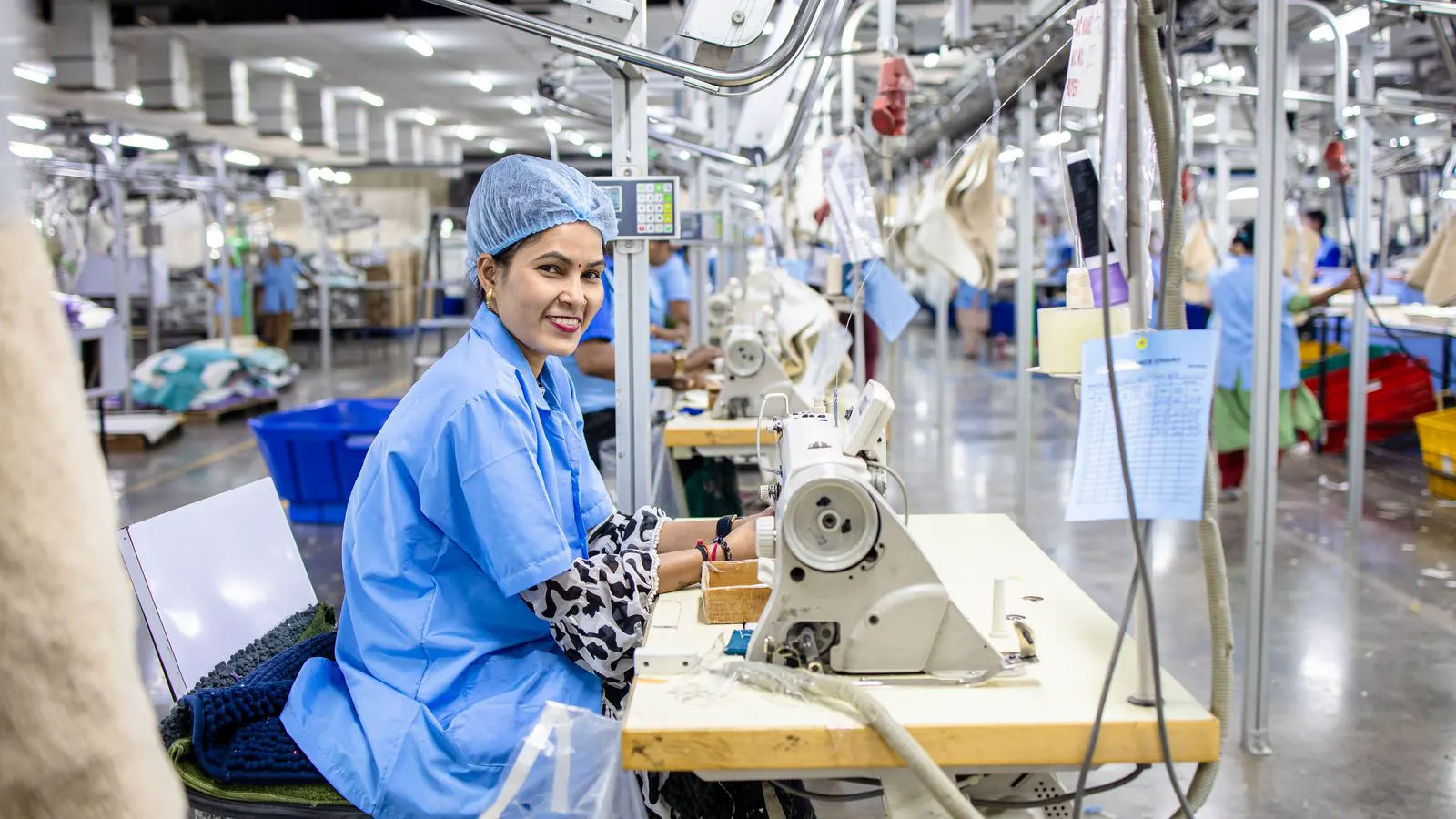
Factory audits form the foundation of supplier evaluation. Before committing to a backpack manufacturing partner, review the scope and frequency of recent third-party audit reports. Look for audit reports covering the last two years, with emphasis on the most recent inspection. A report that is more than eighteen months old may reflect a facility state that no longer exists, especially if the factory has recently expanded or reorganized its production lines.
A reliable factory audit report should document the production floor layout, worker safety protocols, and environmental controls. Check for evidence of proper ventilation in areas where adhesives or solvents are used. Many backpack lines use spray adhesives for lining attachment or water-resistant coatings. If the audit notes mention “adequate ventilation,” ask for specific data on air exchange rates or local exhaust systems near the spray stations. Confirm that fire exits are clearly marked and unobstructed. Look for photos in the report showing the actual exit paths, not just the facility entrance.
| Audit Area | What to Check | Red Flag |
|---|---|---|
| Production Floor | Machine maintenance logs, worker training records | Missing or incomplete documentation |
| Quality Control | Inspection stations, defect tracking system | No dedicated QC area or shared QC staff |
| Environmental Controls | Ventilation, chemical storage, waste disposal | Open chemical containers, no spill containment |
| Worker Conditions | Safety equipment, break areas, working hours | No PPE for cutting operations |
| Material Storage | Climate control, labeling, segregation of batches | Materials stored on floor without pallets |
Red flags include a factory that refuses to share recent audit reports, or one where the production floor appears significantly different from what was shown during the initial visit. Note any discrepancies between the facility size reported in marketing materials and the actual production space observed. A factory claiming ten thousand square meters of production space but showing only half that area on the floor often indicates that the remaining space is leased out or reserved for other tenants. This fragmentation can lead to inconsistent quality because different teams may handle different orders.
How to Assess Material Sourcing and Traceability
Backpack materials require strict traceability. Nylon, polyester, and Cordura each have different performance characteristics and sourcing implications. Nylon is lighter and more abrasion-resistant, but it absorbs more moisture than polyester. Polyester holds dye better and is generally more cost-effective. Cordura, a specific type of high-tenacity nylon, offers superior durability at the cost of higher price points and limited color availability. Request the mill certificates for fabric, zipper, and hardware components. These documents should match the lot numbers on the physical materials. If the mill certificate lists a different lot number than the tag sewn into the fabric roll, the factory is mixing inventory. This is a major risk for quality consistency.
Check whether the factory maintains a material inventory or procures materials per order. A factory with consistent material inventory can maintain tighter quality control. However, verify that stored materials are protected from moisture and UV exposure. Nylon and polyester are hygroscopic, meaning they absorb moisture from the air. If fabric rolls are stored in a humid basement without dehumidification, the thread tension during sewing will vary, leading to uneven stitches. Ask for the shelf life of adhesives and chemicals used in construction. Most industrial glues have a limited active life once opened. Using expired adhesive can cause delamination in the base panel after a few months of use.
Traceability breaks down when multiple material suppliers feed into a single production line without clear segregation. Confirm that each material lot has a unique identifier and that this identifier appears on the finished product’s internal label. Without this linkage, you cannot trace a defective batch back to its source. If a customer reports a zipper failure, you need to know exactly which mill produced that zipper and which lot it came from. This allows you to isolate the problem and issue a targeted corrective action rather than recalling an entire shipment.
Production Capacity and Lead Time Realism
Backpack manufacturing lead times vary based on design complexity, material sourcing, and factory capacity. A simple daypack with two main panels and no internal structure may take four to six weeks from order to shipment. A technical backpack with a rigid frame, multiple compartments, and custom hardware can take eight to ten weeks. Request a detailed production schedule for a sample order. This should break down time for cutting, sewing, assembly, and quality inspection.
Evaluate whether the factory’s stated lead time matches its actual production capacity. A factory producing for multiple brands may have competing priorities. Ask for their current order backlog and whether your order will be scheduled at the start or middle of their production cycle. If your order is in the middle of the cycle, you are exposed to delays caused by earlier orders. A factory that schedules new orders at the end of the current month is less risky than one that inserts them into a busy week.
Consider seasonal production patterns. Peak luggage sourcing periods see longer lead times and potential material shortages. The months leading up to the holiday season are typically the busiest for factories. During these times, fabric mills may prioritize large orders, and shipping costs increase. Build buffer time into your schedule. A factory that consistently misses lead times by even one or two weeks can disrupt your entire supply chain. If you are planning a product launch, a two-week delay in backpack delivery can force you to miss the marketing window entirely.
Quality Control Systems and Inspection Points
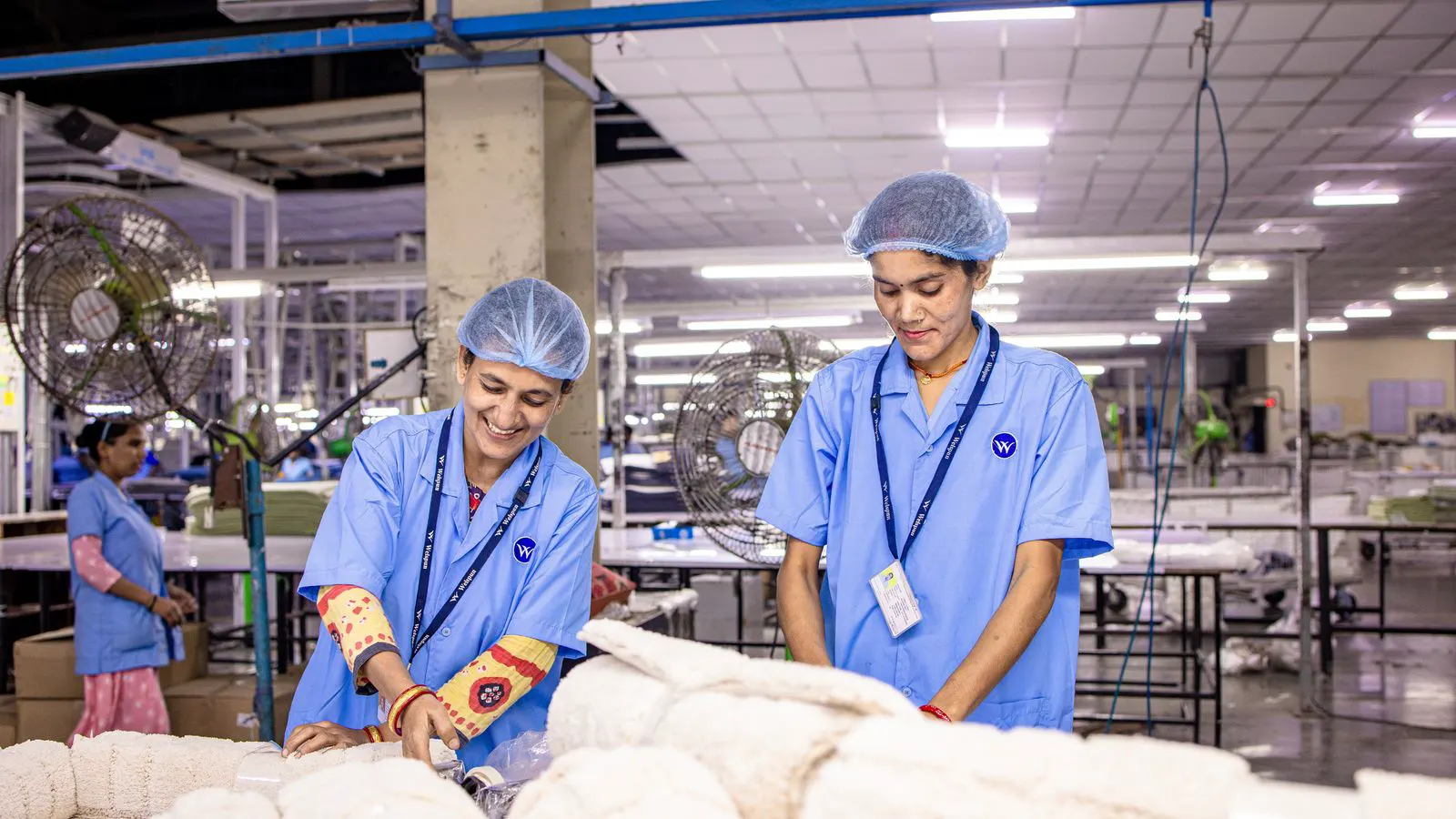
Quality control in backpack manufacturing should occur at multiple stages, not just at the final inspection point. Request documentation of inspection at fabric arrival, cutting, sewing, assembly, and final packing. Each stage should have defined acceptance criteria. For example, fabric arrival inspection should check for color variance, fabric weight, and dimensional accuracy. Cutting inspection should verify that panels match the pattern and that notches are correctly placed. Sewing inspection should check stitch density, thread tension, and edge finishing.
Check whether the factory uses statistical process control methods or relies solely on visual inspection. A mature quality system tracks defect rates by station and identifies patterns over time. Ask for their defect report from the last three months. Look for recurring issues in specific components like zippers, straps, or base panels. If the defect report shows a high rate of zipper misalignment, the factory may have a problem with their cutting machines or pattern layout. If it shows high rates of loose threads, the sewing operators may need retraining or the needles may be dull.
The factory should have a clear nonconformance process. When a defect is found, what is the corrective action? Do they rework the unit, replace the component, or scrap the batch? Their process should be documented and consistently applied. A vague process, such as “we fix it,” is a warning sign. A specific process, such as “if a zipper fails the pull test, replace the zipper and re-inspect the entire panel,” shows control. Ask for examples of recent nonconformances and how they were resolved. This gives you insight into their problem-solving capability.
Compliance and Safety Standards
Luggage sourcing requires compliance with multiple regulatory frameworks. Verify that the factory meets requirements for chemical safety, worker conditions, and product safety. Request certificates for restricted substances in materials and coatings. Many adhesives and coatings contain volatile organic compounds that are restricted in the European Union and other markets. If the factory uses non-compliant chemicals, your products may fail regulatory testing and be rejected at the border.
Check compliance with target market requirements. Different regions have different labeling, safety, and environmental standards. For example, some markets require specific warning labels for small parts or heavy items. The factory should be able to document compliance for each market where your products will be sold. If they only provide one set of compliance documents for all products, they are likely not tailoring their processes to specific market regulations.
Worker safety and ethical labor practices are non-negotiable. A factory audit should confirm fair working hours, safe working conditions, and no child labor. These issues, when discovered after orders are placed, can halt shipments and damage your brand reputation. Reputable buyers often require annual social audits in addition of quality audits. If a factory resists these audits, it is a strong indicator that there may be underlying labor issues.
Sample Testing and Real-World Performance
Before placing a bulk order, test sample units under realistic load conditions. Carry a backpack with a weight exceeding its intended capacity. If the backpack is rated for twenty kilograms, test it with twenty-five kilograms. Check for strap slippage, base panel deformation, and zipper stress. A base panel that sags under load may not hold up in long-term use, leading to customer complaints about structural integrity.
Evaluate comfort features that affect structural integrity. The placement of load-bearing straps, the padding on the back panel, and the hip belt design all impact long-term durability. A backpack that looks good in a catalog may fail under sustained load. Check the stitching at the stress points. This is where the seam between the strap and the main body is. If the stitching is weak, the strap will tear away from the body over time.
Request a sample that has been through the full production process, not a hand-assembly prototype. The mass production sample should reflect the actual materials, construction methods, and quality control applied to the final order. A hand-assembly sample may use better materials or more careful stitching than the bulk order. This can lead to a significant quality gap between the approved sample and the delivered goods. Always specify in your purchase order that the sample must be produced on the same line and with the same materials as the bulk order.
Financial and Operational Stability
Assess the factory’s financial health and operational continuity. Request basic financial information or references from existing clients. A factory with multiple long-term clients and steady revenue is more reliable than one dependent on a single large account. If a factory loses a major client, they may cut corners to save costs, which affects your product quality.
Evaluate their approach to change management. If you need to modify a design mid-production, can they accommodate it without significant cost or delay? Ask about their minimum order quantities and whether they offer flexible production runs for testing new designs. Some factories are set up for large, standardized runs and cannot handle small, custom orders efficiently. Others have flexible lines that can handle both. Ask for examples of recent design changes and how they were managed.
Consider the factory’s growth trajectory and investment in equipment. A factory that has updated its sewing machines in the past two years is more likely to maintain consistent quality. Ask for photographs of their equipment and the year of installation. Older machines may have worn parts that cause inconsistent stitching. Newer machines may have better precision and durability. If the factory is reluctant to show their equipment, it may indicate that the machines are in poor condition.
Documentation and Communication
Clear documentation separates professional suppliers from unreliable ones. A trustworthy backpack manufacturer should provide detailed technical specifications, material data sheets, and production schedules without needing repeated requests. If you have to chase them for basic information, they are likely disorganized. This lack of organization will show up in production delays and quality issues.
Establish clear communication channels. Who is your primary point of contact? How will production updates be shared? What is the response time for urgent issues? Define these protocols before the first order. A common mistake is assuming that the sales representative will handle all communications. In practice, the sales team is often disconnected from the production floor. You need a direct line to the production manager or quality control lead.
Keep records of all communications, sample approvals, and quality reports. This documentation protects you if disputes arise later. A professional supplier will welcome this level of documentation and will maintain their own records in parallel. If a dispute arises over a quality issue, having a clear paper trail of what was agreed and what was delivered makes it much easier to resolve. It also helps you identify patterns over time and make informed decisions about whether to continue working with the factory.
Frequently asked questions
How often should I conduct a factory audit?
Conduct a full third-party audit at least every two years. Perform spot checks or video inspections more frequently for high-risk factories or after significant production changes.
What documents should I request for material traceability?
Request mill certificates for fabric and zippers, chemical safety data sheets for coatings and adhesives, and internal lot tracking records that link materials to finished product batches.
Can I rely on a factory's sample to represent bulk production quality?
No. Request a sample produced through the full mass production process using the same materials and QC procedures as the final order. Hand-assembled prototypes do not reflect production reality.
How do I verify a factory's actual production capacity?
Review their production floor layout, count active sewing stations, and ask for their current order backlog. Request references from existing clients to confirm their real throughput versus stated capacity.
What should I do if a factory fails an audit?
Require a documented corrective action plan with specific deadlines. Re-audit the corrective measures before placing any orders. If the factory cannot or will not address critical issues, find an alternative supplier.