Backpack manufacturing costs and supply chain lead times depend on material choices, labor complexity, and factory capacity. Procurement managers must standardize specifications to compare quotes fairly and align delivery windows with production realities.
- Material selection and hardware finishing drive the largest portion of unit pricing.
- Lead time varies by factory capacity, material sourcing, and seasonal demand peaks.
- A detailed RFQ with technical drawings and approved samples reduces quote variance.
- Standardized test requirements help verify quality without inflating inspection costs.
- Buffering for ocean freight and customs clearance protects delivery dates.
Procurement and Cost Structure in Luggage Manufacturing
Procurement teams often see a gap between quoted prices and actual landed costs. This gap usually stems from undefined specifications or underestimating the complexity of the supply chain. Understanding the mechanics of luggage production helps buyers structure realistic budgets and negotiate delivery terms that match factory capabilities.
How Material Selection Shapes Unit Cost
The base fabric and lining determine the foundation of the product price. Canvas, ripstop nylon, and leather each carry different procurement costs. Heavier materials increase shipping weight, which raises freight charges. The choice of zippers is another major factor. High-grade zippers with metal teeth cost more than plastic alternatives but offer better durability.
Hardware finishing adds complexity. Brass or aluminum buckles require plating or anodizing processes that take time. If a design uses multiple colors for hardware, the factory needs separate molds or finishing batches. This increases setup costs.
The internal structure also affects pricing. A backpack with a rigid back panel requires more labor than one with a soft mesh. Dividers, pockets, and strap attachments all add assembly steps. Each step consumes time on the production line. Buyers should list every component in the bill of materials. Missing items lead to change orders later.
Material selection extends beyond the external shell. The lining fabric must match the intended use. A waterproof rucksack requires a coated or laminated lining that repels moisture. This adds cost compared to a standard cotton twill. The thickness of the lining also matters. A thicker lining provides better protection for contents but increases weight and material consumption.
Fabric width influences production efficiency. Standard fabrics often come in widths that limit how many panels can be cut from a single roll. A wider fabric can reduce waste, but it requires different cutting patterns and may cost more per meter. If a design uses a specialized fabric width, the factory may need to adjust its cutting layout. This changes the scrap rate and the effective cost per unit.
Coatings and treatments add another layer of expense. Water-repellent finishes, flame-retardant treatments, or antimicrobial agents require additional chemical processes. These treatments can affect the feel and appearance of the fabric. They also require specific curing times that lengthen the production cycle.
Labor and Assembly Complexity
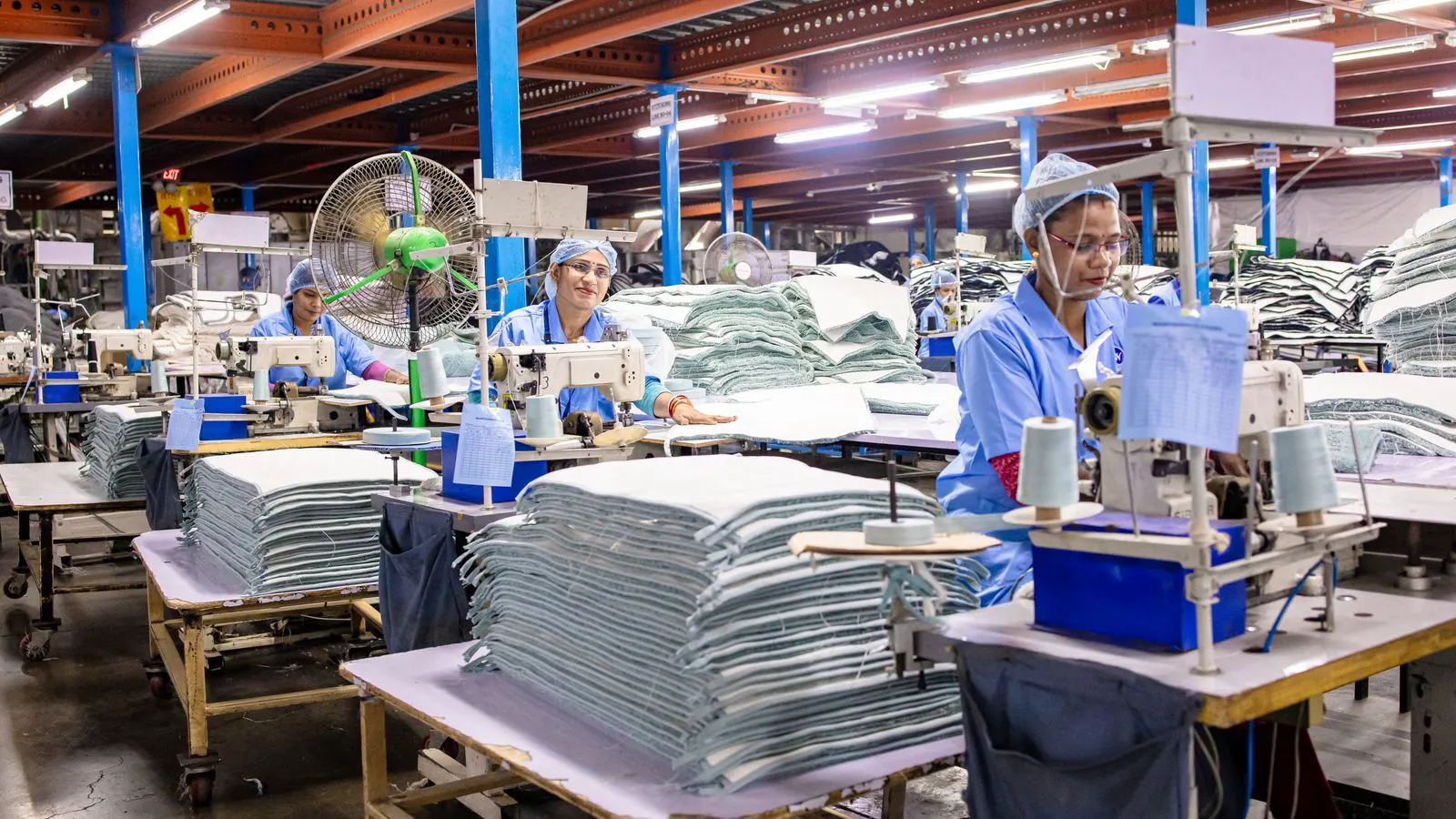
Assembly time is a direct cost driver. A simple tote bag takes fewer minutes to sew than a multi-compartment travel backpack. Complex designs with curved panels or heavy stitching require skilled operators. Skilled labor commands higher wages in many manufacturing regions.
Stitching density matters. A single row of stitching is fast. A double row with bar tacks at stress points takes longer. Reinforced stitching at load-bearing points prevents failures, but it slows production.
Quality control steps also consume labor. In-line inspections catch defects early but require extra hands. Final inspection involves checking dimensions, stitching, zippers, and hardware. If a batch fails, the factory must rework items. Rework time increases the effective production cost.
Buyers should define the acceptable defect rate. A lower defect tolerance requires more inspection. This raises the cost per unit. Setting clear parameters before production helps avoid disputes.
Labor cost is not just about the number of workers. It is about the skill level required for specific tasks. Attaching a zipper is a basic task that many operators can perform. However, installing a magnetic closure or aligning a curved leather panel requires precision. These tasks often need senior operators who are paid more than general line workers.
The sequence of assembly matters. If a bag is built in the wrong order, pieces may need to be disassembled and reassembled. This creates waste and delays. A well-designed assembly sequence minimizes handoffs and reduces the time each operator spends on a single unit.
How Supply Chain Lead Times Affect Delivery
Lead time is the sum of every stage from order confirmation to final inspection. It is not just the sewing time. It includes material sourcing, cutting, assembly, testing, and shipping.
Material sourcing can delay the start. If the factory does not hold your specific fabric in stock, they must order it. Fabric mills have their own lead times. Custom colors or special finishes take longer than standard options.
Cutting and assembly depend on factory capacity. A factory may have a full month of slots before your order begins. During peak seasons, capacity tightens. This pushes production dates back.
Shipping is a fixed variable. Ocean freight takes weeks. Air freight is faster but more expensive. The distance between the factory and the destination port also matters. A factory in Southeast Asia has a different transit time than one in Eastern Europe.
Customs clearance is often underestimated. Documentation errors or missing permits can hold cargo at the port. Delays here do not reflect on the factory floor but directly impact the delivery date.
Lead time calculation requires a detailed breakdown. A standard quote might list a 30-day production time. It rarely includes the time needed to source specialty hardware or wait for fabric certification. A realistic timeline often doubles the quoted production time when custom materials are involved.
How to Write a Clear RFQ
A vague request produces a vague quote. If you ask for “a good quality backpack,” the factory will assume standard materials and basic construction. The price will be low, but it will not match your requirements.
A strong RFQ includes the following.
- Detailed technical drawings with dimensions and tolerances.
- A complete bill of materials listing fabrics, zippers, hardware, and linings.
- Color codes for every component.
- Target unit price and order volume.
- Required testing standards and sample approval timeline.
- Packaging specifications and labeling requirements.
- Destination port and Incoterms.
Including these details allows factories to calculate costs accurately. It also filters out suppliers who cannot meet the technical requirements. It creates a baseline for comparing multiple bids.
A detailed RFQ should specify the exact type of zipper. Do not just say “YKK zipper.” Specify the size, the number of teeth per inch, and the finish. A 5mm zipper has a different cost and feel than a 10mm zipper. The same applies to hardware. Specify the diameter of buckles and the type of rivet used for attachment.
Packaging instructions are often ignored but critical. Specify whether the bags need to be poly-bagged, boxed, or palletized. If the product requires a specific retail label, provide the exact dimensions and placement. Missing labels at the port can cause rejection or costly rework.
How to Compare Quotes Fairly
Factories often price quotes differently based on assumed volumes. One factory might quote for a 500-unit order. Another might assume 1000 units. The unit price changes.
Break down the quote into material, labor, and overhead. Ask for a cost structure if possible. Some suppliers provide a detailed breakdown. Others only give a final number. A detailed breakdown helps identify where the price comes from.
Check the validity period of the quote. Material prices fluctuate. A quote valid for 30 days may become outdated. Lock in prices with a purchase order once terms are agreed.
Review the payment terms. A 30% deposit and 70% balance is common. Some factories offer different terms based on the buyer’s credit history. Understanding cash flow requirements helps plan the procurement cycle.
When comparing quotes, look at the total cost of ownership. A cheaper unit price might be offset by higher defect rates or longer lead times. Factor in the cost of rework and the potential delay to your retail launch. A slightly higher price from a reliable supplier often saves more money in the long run.
Cost and Lead Time Reference Table
The table below lists the main factors that affect pricing and delivery.
| Cost Driver | Impact on Price | Impact on Lead Time |
|---|---|---|
| Material Selection | High | Medium to High |
| Hardware Finishing | Medium | Medium |
| Assembly Complexity | High | High |
| Quality Control Level | Medium | High |
| Shipping Method | High | Medium |
| Order Volume | High | Low |
Use this table as a checklist during the sourcing phase. Identify which drivers you can control. For example, choosing standard colors reduces material lead time. Simplifying the stitching pattern reduces labor cost.
This table is a starting point. Your specific product may have unique variables. A bag with a complex electronic integration, for example, will have a different cost structure than a standard textile bag. Adjust the table to fit your specific product requirements.
Managing Seasonal Demand and Capacity
Factory capacity is not constant. Certain months are busier than others. Many factories experience peak demand in the months before the holiday season. During these periods, production slots fill quickly.
If your delivery date falls in a peak window, you need to book slots earlier. A standard lead time may not be enough. You may need to split the order. Produce a portion now and the rest later.
Maintain relationships with multiple factories. If one factory is full, you can shift production. This flexibility protects your timeline. It also gives you negotiating power.
Keep a buffer for unexpected issues. Fabric delays, machine breakdowns, or weather events can push dates. A buffer of two to three weeks helps absorb these shocks without missing your retail launch.
Capacity management requires early communication. If you have a fixed retail launch date, work backward from that date. Identify the latest date you can start production. This date should account for material lead times, production slots, and shipping. If the calculated start date is too late, adjust the design or the volume to fit the available capacity.
Final Planning Checklist
Before issuing an RFQ, review your plan.
- Are your technical drawings complete?
- Have you approved all material samples?
- Do you know the factory’s production capacity for your dates?
- Have you factored in ocean freight and customs?
- Is your payment schedule aligned with the factory’s cash flow?
- Do you have a backup factory in case of delays?
A structured approach to luggage production removes guesswork. It aligns your expectations with the reality of manufacturing. It allows you to make informed decisions about cost and timeline.
Frequently asked questions
What is the biggest cost driver in backpack manufacturing?
Material selection and hardware finishing are the largest drivers. Complex assembly and quality control also add significantly to the unit price.
How long does standard ocean freight take?
Transit times vary by route and port. Most ocean freight takes several weeks. You must account for customs clearance and inland transport to the final destination.
Can I reduce cost by changing the fabric?
Yes. Choosing a lighter or standard fabric reduces material and freight costs. However, you must ensure the fabric meets your durability and performance requirements.
How do I handle a delayed material shipment?
Review your contract for delay protocols. Negotiate a revised delivery date or explore alternative material sources if the delay is critical.
Is it better to order a larger quantity?
Larger orders often lower the unit price due to economies of scale. However, they increase storage costs and risk. Order only what you can sell or store without tying up capital.