Custom hardware significantly impacts luggage pricing by adding material, labor, and quality control costs. Specific components like zippers and clasps vary widely in expense. Understanding these factors helps buyers manage manufacturing cost and set realistic budgets.
- Hardware selection directly changes the final unit price of a bag or case.
- Complex or branded components increase lead times and minimum order quantities.
- Standardized parts reduce production friction and lower per-unit expenses.
- Material choice, such as metal versus polymer, changes cost structure.
- Quality testing for hardware adds labor but protects brand reputation.
What Counts as Custom Hardware in Luggage?
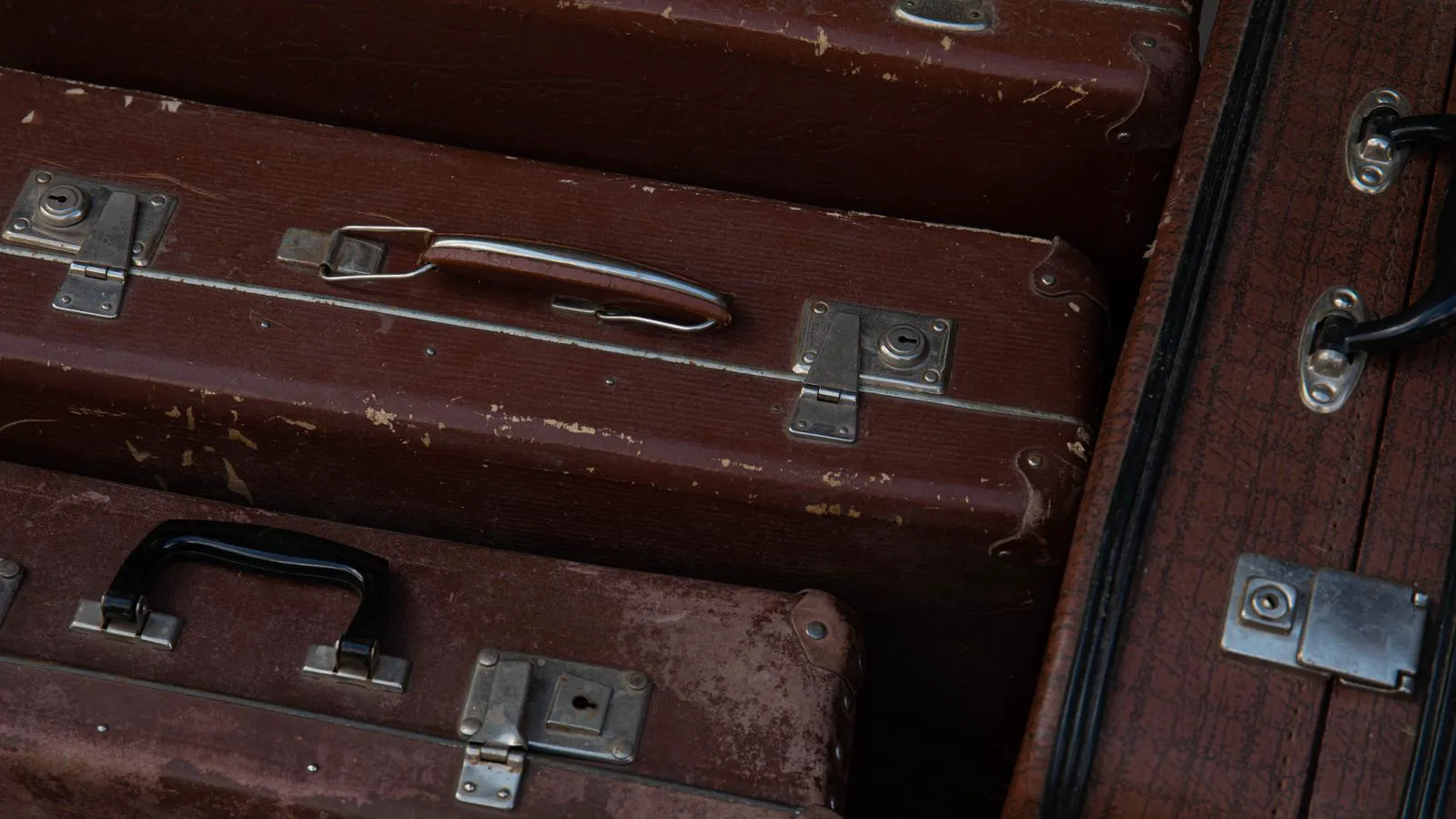
Custom hardware refers to any non-standard fastener, closure, or structural element that differs from the basic components found in off-the-shelf luggage. It includes zippers, buckles, clasps, wheels, casters, and metal fittings that are specified by the buyer or designed to meet a unique aesthetic or functional requirement.
In a standard suitcase, the hardware is often generic. The zipper is a common brand, and the feet are simple plastic. When a buyer requests a specific type of metal, a different finish, or a proprietary logo on a buckle, the component becomes custom. This shift moves the part from a commodity supply chain to a specialized one.
The term hardware costs covers the direct expense of the part, the tooling needed to make it, and the labor required to install it. It also includes the testing time needed to ensure the part does not fail under stress. If a buyer asks for a gold-plated clasp instead of a matte black one, the material cost rises. The plating process adds a step. The labor time for installation may stay the same, but the quality check must verify the finish does not wear off.
How Hardware Costs Affect Luggage Pricing
Hardware costs are one of the biggest variables in luggage pricing. The bag shell, the fabric, and the foam are often relatively stable in cost. The hardware, however, can change dramatically depending on the specification.
A basic zipper is a low-cost item. It is bought in bulk and attached with standard stitching. A custom zipper with a specific pull design or a different tooth profile costs more. The supplier may need to adjust their machines. The buyer may need to wait longer for the first sample. Both factors add to the manufacturing cost.
The effect on pricing is not linear. Adding a small metal badge might cost a few cents per unit. Adding a complex locking mechanism can add several dollars. The difference matters when scaling to thousands of units. A small increase per unit becomes a large increase in total cost.
Buyers often underestimate the hidden costs. They see the price of the part. They forget the tooling fee. They forget the extra labor for assembly. They forget the rework if the part does not fit the shell correctly. All of these factors feed into the final luggage pricing structure.
Which Components Increase Manufacturing Cost the Most?
Not all hardware parts carry the same weight in the budget. Some are cheap to source and easy to install. Others are expensive and require specialized skills.
The table below shows how different components typically affect the cost structure. The values are relative indicators, not specific prices. They show the direction of the impact.
| Component Type | Cost Impact Factor | Reason for Increase |
|---|---|---|
| Standard Zipper | Low | Commodity item, high volume, simple installation |
| Custom Logo Buckle | Medium | Requires tooling, specific metal, finishing process |
| Premium Wheel Assembly | High | Precision engineering, testing, durability requirements |
| Locking Mechanism | High | Complex parts, security testing, higher labor time |
| Metal Frame Support | Medium | Heavier material, stronger welding or riveting required |
The premium wheel assembly is a good example. A basic wheel is a plastic hub with a simple bearing. It rolls well enough for a domestic trip. A premium wheel often uses a larger bearing, a different tire material, and a metal hub. It is designed to handle rough pavement and heavy loads. The bearing is more expensive. The assembly requires tighter tolerances. The testing must verify that the wheel does not wobble. All of these steps raise the manufacturing cost.
The locking mechanism is another area where costs climb. A simple key lock is a single part. A multi-point locking system involves several pieces that must align perfectly. The buyer may want a specific key code or a digital interface. Each complexity adds cost. The labor time to install and test these locks is higher than for a simple zipper pull.
How Sourcing Decisions Change with Custom Parts
Sourcing custom hardware changes the entire supply chain. With standard parts, a factory can buy from a local distributor or a well-known global supplier. The lead time is short. The minimum order quantity is low. The price is predictable.
When a buyer requests custom hardware, the sourcing path changes. The factory may need to go directly to a component manufacturer. That manufacturer may need to create new molds or adjust their production lines. The lead time extends. The minimum order quantity rises. The price becomes more sensitive to volume.
This creates a dilemma for buyers. They want unique features to differentiate their product. They also want low costs and fast delivery. These two goals often conflict. The more custom the hardware, the harder it is to balance the two.
A buyer who wants a specific type of metal plating may find that only two suppliers in the region can do it. This limits competition. It raises the price. It increases the risk if one supplier has a quality issue. The factory must qualify the new supplier. It must run tests to ensure the plating meets the standard. This qualification work adds cost and time to the manufacturing process.
One Worked Example: Upgrading a Travel Case
Consider a basic 20-inch spinner case. It has a polyester shell, a standard zipper, and four basic wheels. The hardware is all commodity items. The factory sources them from a local market. The assembly line workers install them quickly. The quality check is a simple visual inspection and a pull test on the zipper.
Now, a buyer asks for upgrades. They want a metal frame to protect the corners. They want a locking combination on the front. They want the wheels to be silent and smooth for airport tarmac use. They also want a custom logo on the zipper pulls.
The metal frame adds weight and material cost. The workers need rivets or screws to attach it. This takes more time than attaching a plastic strip. The locking combination is a new part. It requires a specific tool to insert. The workers need to be trained on the new tool. The quality check must include a functional test of the lock.
The silent wheels require a different bearing. The bearing is more expensive. The installation must be precise to avoid wobble. The zipper pulls with the custom logo require a new stamping process. The stamping tool wears out over time. The factory must replace it.
Each of these changes adds a small cost per unit. But when multiplied by the total production run, the difference is significant. The manufacturing cost per unit rises. The factory must price the product higher to cover the expenses. The buyer must accept a higher cost if they want these features.
How to Manage Costs Without Losing Quality
There is no single way to manage hardware costs. Every buyer has different priorities. Some want the cheapest possible price. Others want the longest lifespan. The best approach depends on the target market and the product life cycle.
One strategy is to standardize the hardware across different models. If a company makes ten different bags, using the same type of zipper and wheel across all of them reduces the complexity. The factory can buy in larger volumes. The workers learn the installation once and apply it to all models. This lowers the manufacturing cost.
Another strategy is to limit the number of custom options. A buyer can offer three color choices for the metal parts. They can avoid offering ten different finishes. Each additional finish requires a new setup. It requires a new quality check. It increases the risk of errors. By limiting the options, the buyer controls the cost structure.
The factory also plays a role. A good factory will advise the buyer on what is practical. If a buyer wants a very thin metal piece that is hard to work with, the factory can suggest a thicker alternative. The thicker piece may be easier to stamp. It may be stronger. It may cost less to produce. This kind of collaboration helps keep the luggage pricing reasonable while maintaining the quality standard.
What Buyers Should Check Before Finalizing Specs
Before locking in a design, buyers should review the hardware list carefully. They should ask the factory for a breakdown of costs for each part. They should ask about tooling costs and when they are recoverable. They should ask about the minimum order quantity for each component.
The buyer should also consider the failure modes. A zipper that fails after one season is a problem. It leads to returns and damaged reputation. A wheel that breaks on the first trip is also a problem. The cost of a cheap part that fails often exceeds the cost of a slightly more expensive part that lasts.
The quality check is part of the cost. The factory must test the hardware. It must verify the finish, the strength, and the function. If the buyer wants extra checks, the labor time increases. The cost increases. The buyer must decide how much testing is necessary for their brand standard.
The documentation matters too. The buyer should provide clear drawings or samples. Ambiguous specs lead to errors. Errors lead to rework. Rework costs money. Clear communication reduces the risk of mistakes. It helps the factory produce the correct part the first time.
Frequently asked questions
Which hardware parts have the biggest impact on luggage pricing?
Complex parts like locking mechanisms and premium wheel assemblies have the highest impact. They require specialized tools, precision installation, and more extensive testing.
Can standardizing hardware reduce manufacturing cost?
Yes. Using the same type of zipper or wheel across multiple models allows for bulk purchasing and simpler assembly. This lowers the per-unit cost and reduces training time.
How does tooling affect the final price?
Tooling is the cost of creating the molds or stamps needed for custom parts. This is often a one-time fee. It can be recovered over time if the production run is large enough.
What is the relationship between hardware quality and total cost?
Higher quality hardware may cost more upfront but can reduce long-term costs. It decreases the number of defects, returns, and warranty claims. This protects the brand and stabilizes the production line.
How do lead times change with custom hardware?
Lead times typically increase because the supplier needs to prepare tooling and run initial batches. The factory also needs to qualify the new parts before starting full production.