Custom bag hardware costs vary by material, finish, tooling, and quantity. Lead times depend on supplier capacity and approval steps. A precise RFQ, standardized specifications, and phased production planning help buyers control budget and delivery schedules accurately.
- Material choice and surface finish drive most of the unit cost for custom bag hardware.
- Tooling and setup fees shape the first order price, while volume reduces per-unit spend.
- Luggage hardware lead time depends on supplier capacity, quality checks, and approval cycles.
- A detailed RFQ with drawings, finishes, and testing requirements improves quote accuracy.
- Comparing quotes requires matching specifications, not just looking at the final price.
What Determines the Base Cost of Custom Bag Hardware
Custom bag hardware costs are not a single number. They reflect the physical properties of the part, the manufacturing route, and the commercial terms of the order. A buyer requesting a simple metal pull on a tote bag receives a different cost structure than a buyer specifying a branded zipper pull with a matte black finish, a specific logo deboss, and a packaging insert.
Material selection is the first cost driver. Metal parts are often made from brass, stainless steel, or zinc alloy. Brass accepts finish work well and is common for visible components. Stainless steel resists corrosion and suits luggage that may face salt water or humid climates. Zinc alloy is usually the most economical for high-volume parts that need to be molded or die cast. Plastic and polymer parts cost less per unit but may limit load capacity or long-term durability.
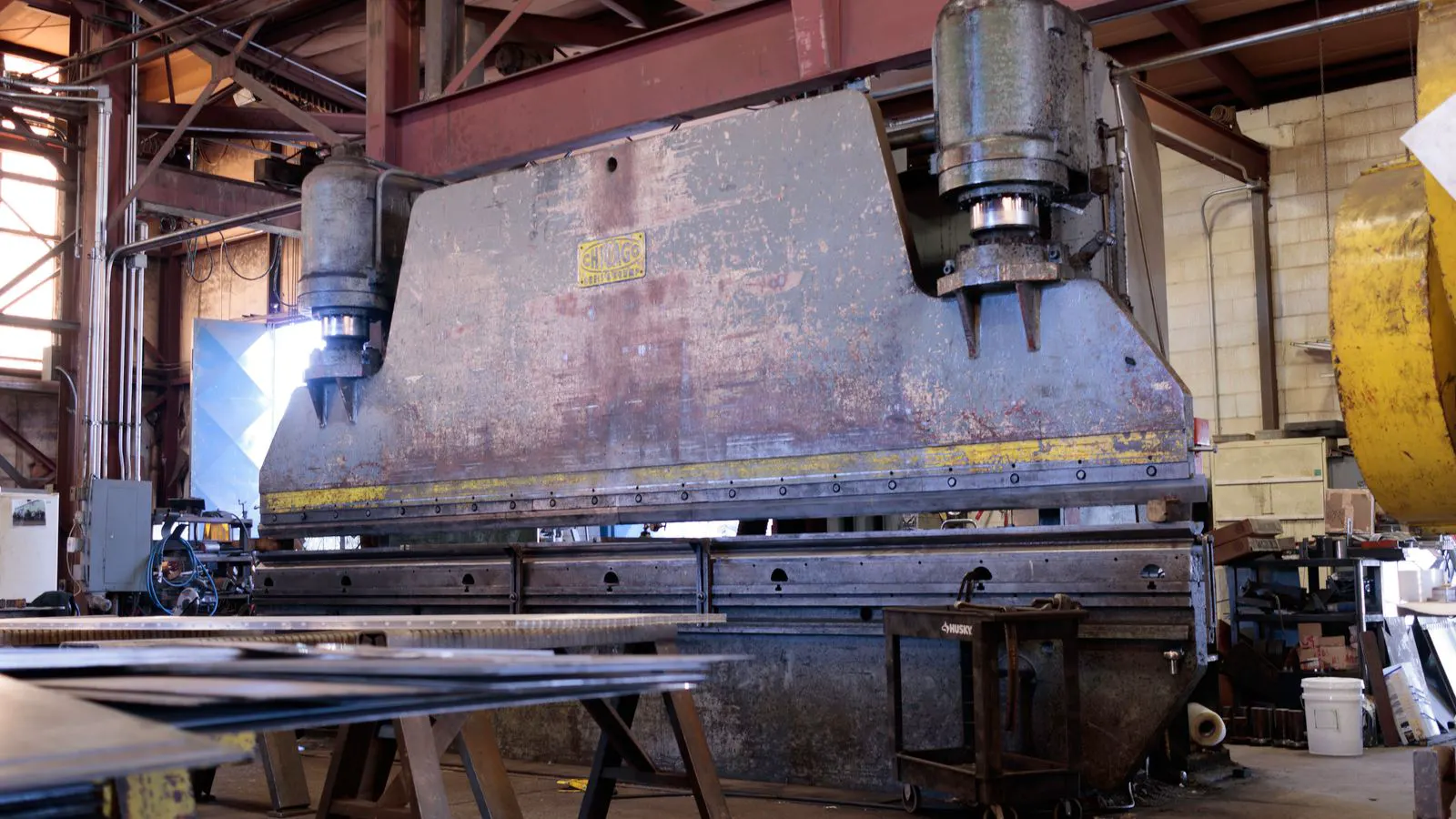
The manufacturing process matters as much as the material. A stamped metal part and a die-cast part can look similar from the outside but have very different production requirements. Stamping uses a punch and die to form sheet metal. Die casting pours molten metal into a mold. Machining removes material from a solid block. Each method has different setup costs, cycle times, and quality risks.
Finish and plating add another layer of cost. A clear coat, powder coat, anodize, or PVD coating changes surface color and durability. The more complex the finish, the more inspection is required. A silver finish may look simple, but the buyer must specify the exact shade, gloss level, and salt spray resistance if the part will be exposed to weather.
Quantity changes the balance between fixed and variable costs. Tooling, dies, and molds are fixed investments. They are paid once, but they must be recovered over the order life. A small prototype order may cost more per unit than a large production run, even if the material is the same. The per-unit price drops as volume increases because the fixed cost is spread across more pieces.
How Luggage Hardware Lead Time Is Built
Luggage hardware lead time is the sum of several stages, not just the time a machine runs. A buyer who asks for a delivery date without understanding the production path will often receive a quote that does not match reality.
The first stage is design review. If the drawing is incomplete, the supplier must ask questions. Missing dimensions, unclear mounting points, or undefined tolerances create back-and-forth. This stage can take days or weeks depending on how detailed the request is.
The second stage is tooling or setup. If a new die or mold is required, the supplier must fabricate it. This is often the longest step. The part cannot be produced until the tool is approved and tested. Some suppliers can offer existing tooling for common shapes, which shortens lead time but limits design freedom.
The third stage is production. Once the tool is ready, the supplier runs the part. The run time depends on the process. Stamping can be fast. Die casting may require longer cycle times. Machining is slower and more labor intensive.
The fourth stage is finishing and inspection. Parts may need cleaning, plating, deburring, or quality checks. If the buyer requires salt spray testing, drop testing, or color matching against a physical sample, these steps add time. The supplier must also package the hardware, often with protective films or inserts, which requires planning.
Supplier capacity affects the schedule. A busy supplier may have a long queue even if the tool is ready. A smaller supplier may have more flexibility but may not handle large volumes. The buyer should ask for the earliest possible start date and the expected completion date for each major milestone.
How to Write a Clear RFQ for Bag Component Pricing
A vague request produces a vague quote. The buyer needs to provide enough detail so the supplier can calculate cost and schedule without guessing. A good RFQ reads like a production instruction, not a sales request.
Start with the part name and function. Describe the hardware and where it goes. A zipper pull, a D-ring, a buckle, and a foot are different parts with different stress points. The buyer should state the bag type, the expected load, and the environment. A luxury handbag and a rugged travel duffel have different hardware requirements.
Include drawings or reference images. A 3D model is ideal. If a 3D model is not available, provide 2D drawings with dimensions, tolerances, and material callouts. If only a photo is available, state that clearly and identify the parts that must be replicated exactly.
Specify the material and finish. Do not say “silver” if the buyer means a specific metallic tone. Provide a color standard or a physical sample if possible. State the surface treatment, such as powder coat, anodize, or plating. If the part is for luggage that will be exposed to rain or salt, request a corrosion resistance standard or a salt spray test.
Define quantity and packaging. The buyer should state the initial order quantity, the expected annual volume, and whether the supplier should hold tooling for future orders. Packaging requirements also affect cost. Hardware may need to be bagged, labeled, or inserted into a bag with a protective sleeve.
State the testing requirements. If the buyer needs proof of strength or durability, request the test method and acceptance criteria. A drop test, a pull test, or a colorfastness test each requires setup and documentation. The more tests required, the longer the lead time and the higher the cost.
How to Compare Quotes Fairly
Two suppliers can quote different prices for the same part and both can be correct. The difference may be hidden in the assumptions. A fair comparison requires the buyer to check that both quotes use the same scope.
Check the material grade. A quote may list “stainless steel” without specifying the grade. Different grades have different corrosion resistance and cost. The buyer should ask for the exact grade or equivalent standard.
Check the finish specification. A quote may say “black finish” without defining the coating type. Powder coat, painted, and anodized black all cost different amounts and last different amounts of time. The buyer should ask for the finish process and any testing.
Check the tooling status. One supplier may include tooling in the quote. Another may charge it separately. If the buyer does not need tooling, the quote may be lower. If the buyer needs tooling, the first order may be higher but the long-term price may be lower.
Check the lead time and milestones. A lower price may come with a longer lead time. The buyer should compare the total cost of goods and the cost of waiting. A delayed shipment can stop a bag line or miss a retail deadline.
Check the sample policy. Some suppliers include a sample in the quote. Others charge for a sample or for tooling approval. The buyer should clarify whether the sample is production quality or a pre-production approval.
Check the payment terms and MOQ. A low per-unit price may require a large minimum order quantity. The buyer should evaluate cash flow and inventory risk. A slightly higher per-unit price with a smaller MOQ may be better if the bag line is new or uncertain.
Cost Drivers and Their Typical Impact
The table below summarizes the main cost drivers for custom bag hardware. The impact is described in general terms because actual values depend on the part, supplier, and market conditions.
| Cost Driver | What It Includes | Typical Impact on Price and Lead Time |
|---|---|---|
| Material | Metal or polymer type, grade, and sourcing | Higher grade or alloy changes unit cost and corrosion performance |
| Tooling | Dies, molds, and setup | Fixed cost on first order; longer lead time for new tooling |
| Quantity | Initial order and annual volume | Higher volume lowers per-unit cost and spreads fixed cost |
| Finish | Plating, coating, color, and durability | More complex finishes increase cost and inspection time |
| Testing | Strength, corrosion, and color checks | Adds setup time and may require documentation |
| Packaging | Labels, inserts, and protective materials | Small cost increase but affects line efficiency |
The table shows that the buyer cannot control all of these factors. Material availability and tooling lead times are often outside the buyer’s direct control. The buyer can control quantity, specification clarity, and the order structure. A clear specification reduces the chance of rework. A phased order structure reduces inventory risk.
How to Plan for Lead Time and Budget Risk
Planning for lead time means building buffer into the schedule. The buyer should not plan the first production run to start the day after tooling is approved. Tooling approval, sample production, and buyer sign-off can take time. The buyer should build in time for internal review and for any changes.
The buyer should also plan for budget risk. Tooling and setup are real costs. If the bag design changes after tooling is made, the change may require new tooling or may reduce the value of the existing tool. The buyer should lock the design before tooling is ordered.
A phased approach can reduce risk. The buyer can order a small first production run, test the hardware on finished bags, and then commit to a larger run. This approach increases the per-unit cost of the first run but reduces the risk of a large defective batch. It also gives the buyer more data for future orders.
The buyer should maintain a supplier relationship. A good supplier can offer options, flag problems early, and adjust schedules when needed. A supplier who only responds to RFQs is less useful than one who understands the bag line and the retail calendar. The buyer should share the production schedule, the target retail date, and the expected volume. This helps the supplier plan capacity and avoid surprises.
Common Mistakes That Raise Cost and Delay Delivery
The most common mistake is under-specification. The buyer asks for a part without stating the material, finish, quantity, or testing requirements. The supplier then makes assumptions. If the assumptions are wrong, the buyer receives a quote that is too low or too high, and the production path changes.
Another mistake is waiting too long to request tooling. The buyer may wait until the bag design is final, but the design is never fully final. The buyer should identify the hardware that will not change and start that process early. The hardware that may change can be prototyped with existing tooling or low-cost methods.
The buyer may also underestimate the sample cycle. A sample is not a finished part. It is a check. The sample may need to be revised. The buyer should build time for at least one revision cycle before production.
The buyer may also compare quotes without checking the scope. One quote may include packaging, and another may not. One quote may include tooling, and another may not. The buyer must standardize the scope before comparing prices.
The buyer may also ignore the long-term cost of a cheaper part. A lower-cost part may fail in the field. If the hardware breaks, the bag is returned, the brand is damaged, and the replacement cost is higher. The buyer should evaluate total cost of ownership, not just the purchase price.
Frequently asked questions
What is the biggest factor in custom bag hardware costs?
Material and tooling are usually the largest cost drivers. The material grade and the type of tooling determine the base price and the first order cost.
How long does luggage hardware lead time usually take?
Lead time depends on tooling, production, and inspection. A part with existing tooling moves faster than a part that requires new dies or molds.
Can I get a lower price by ordering more hardware?
Yes. Higher volume spreads tooling and setup costs across more units. The per-unit price usually drops as quantity increases.
What should I include in an RFQ for bag component pricing?
Include drawings, material, finish, quantity, testing, and packaging. The clearer the RFQ, the more accurate the quote.
How do I compare quotes from different suppliers?
Standardize the scope first. Check material, finish, tooling, lead time, testing, and payment terms before comparing the final price.