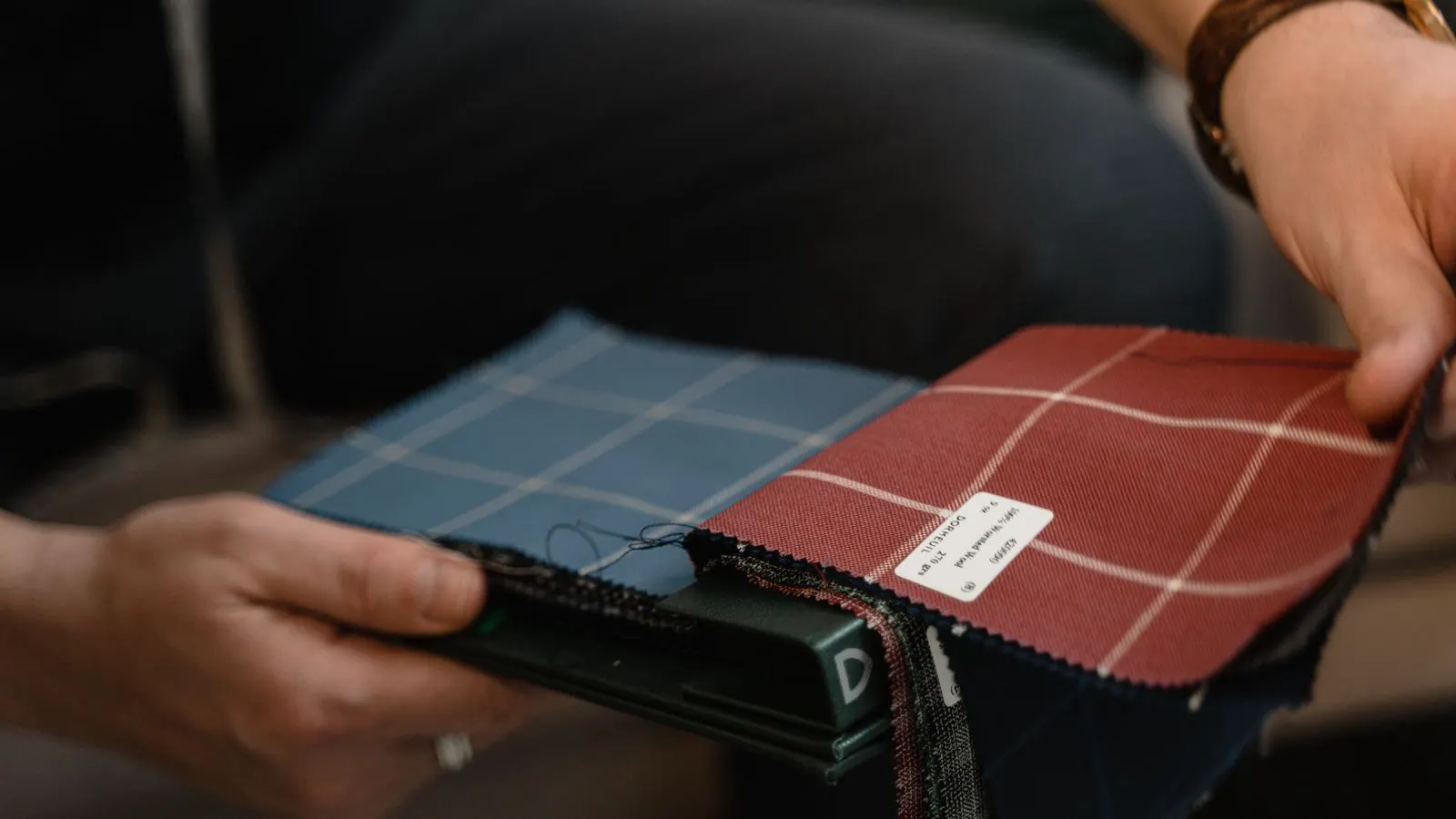
Recycled fabrics in luggage are moving from novelty to standard specification. Buyers should plan for supply consistency, performance testing, and label clarity. This guide outlines five practical shifts to watch and how to prepare for sustainable bag materials in 2026.
- Verify mechanical strength and abrasion data before specifying recycled content.
- Standardize your testing protocol to compare virgin and recycled inputs fairly.
- Build redundancy into your supply chain to manage recycled material volatility.
- Align marketing claims with actual material composition to avoid compliance risk.
- Prepare your quality control team to handle new fabric hand-feel and shrinkage issues.
Where Recycled Fabrics Fit in the Current Supply Chain
Recycled fabrics in luggage are no longer a niche experiment. They are becoming a default line item in sourcing conversations. The shift started with small batches of rPET (recycled polyethylene terephthalate) and is now expanding into recycled nylon, recycled cotton blends, and recycled leather alternatives.
This change is driven by two forces. First, brand owners are setting internal targets for renewable or recycled content. Second, end consumers increasingly check labels for material origin. For manufacturers, the implication is simple. If a client asks for recycled content, you need a proven, repeatable supply source. If you cannot provide it, you are out of the bid.
The challenge is not finding material. It is managing the performance gap between virgin and recycled inputs. Recycled fibers can vary in length, strength, and dye consistency. A fabric that looks fine on a swatch may fail in a stress test. This is where the practical work begins.
Shift One: Standardized Performance Testing Becomes Mandatory
You cannot compare recycled and virgin fabrics using visual inspection alone. You need hard data. Buyers are moving away from “it feels fine” and toward standardized mechanical testing.
When specifying recycled fabrics in luggage, your factory or supplier must provide data on:
- Abrasion resistance (Martindale or Taber tests)
- Tensile strength (gsm and N/mm²)
- Colorfastness to rubbing and washing
- Shrinkage rates after heat treatment
The problem with recycled inputs is variability. A batch of recycled nylon from a different source may have a different fiber length than the previous batch. This affects pilling and abrasion. Your quality control team must run these tests on every incoming shipment, not just the first sample.
Practical step: Create a baseline test sheet for your standard luggage lines. When a new recycled fabric arrives, run it against your baseline. If it misses the threshold, reject it or request a re-test. Do not rely on the mill certificate alone.
Shift Two: Supply Chain Redundancy Is Non-Negotiable
Recycled material supply is volatile. Unlike virgin polyester, which has global production capacity, recycled feedstock depends on collection streams. Collection rates change based on local economics, sorting technology, and demand. This means supply can tighten or loosen without warning.
If you depend on a single mill for your recycled fabric, you are exposed to price spikes and stock-outs. A practical approach is to qualify two or three mills per material type. Keep them active with small, regular orders. This keeps your pricing stable and your supply lines open.
Practical step: Map your current suppliers. Identify which ones can provide recycled content and which cannot. Qualify at least one alternative mill for each critical fabric. Document their lead times and minimum order quantities.
Shift Three: Labeling and Compliance Clarity Are Tightening
Regulations around material composition are becoming more specific. Buyers are asking for exact percentages of recycled content, not vague marketing terms. Phrases like “eco-friendly” or “green” are increasingly viewed with suspicion. They need to be backed by data.
When a client asks for “sustainable bag materials,” they need to know the source. Is it post-consumer rPET? Is it pre-consumer industrial waste? Does the fabric contain any virgin polyester? The answer must be clear in the technical data sheet.
Practical step: Update your product data sheets to include a “Material Origin” field. Specify the percentage of recycled content and the source type (post-consumer vs. pre-consumer). This prevents disputes during final inspection and supports the brand’s marketing claims.
Shift Four: Hand-Feel and Aesthetics Require New Design Tolerances
Recycled fabrics often have a different hand-feel than their virgin counterparts. They may be slightly rougher, less smooth, or more prone to pilling. This affects the perceived quality of the final product.
For high-end luggage, this is a significant issue. Clients expect a consistent texture. If the recycled fabric feels “off,” they may reject the sample even if the performance data is solid. Designers need to account for this in their material selection.
Practical step: During the sampling phase, test the recycled fabric in a finished bag. Check the hand-feel against the client’s reference standard. If it feels too rough, consider a coating or a blend with a smoother fiber. Do not assume the fabric will behave the same as the virgin version.
Shift Five: Cost Modeling Must Account for Premiums
Recycled fabrics typically carry a price premium over virgin equivalents. This is due to the cost of collection, sorting, and re-spinning. However, the premium is narrowing. As production scales, the cost gap is shrinking.
Buyers are learning to factor this premium into their cost models. They are no longer surprised by a 10-20% increase in fabric cost. The key is to communicate the value. A product with verified recycled content can command a higher price point or justify a longer development cycle.
Practical step: When quoting a client, itemize the recycled fabric cost separately. Show the premium and explain the source. This transparency builds trust. If the client pushes back, offer a blend option (e.g., 50% recycled, 50% virgin) as a cost-saving alternative.
How to Prepare Your Factory for Recycled Material Sourcing
Preparing for recycled fabrics in luggage is not a one-time task. It is an ongoing process. Here is a practical checklist to get your factory ready.
- Audit your current fabric suppliers. Identify which mills can provide recycled content and which cannot.
- Develop a testing protocol. Define the minimum mechanical and chemical tests for every recycled fabric batch.
- Qualify alternative suppliers. Build redundancy into your supply chain to manage volatility.
- Update your documentation. Add material origin fields to your data sheets and labels.
- Train your QC team. Ensure they understand the variability of recycled inputs and know how to handle re-tests.
The Bottom Line
The future of recycled fabrics in luggage is not about hype. It is about standardization. The industry is moving from “we can do it” to “we can do it reliably, at scale, with documented performance.”
For manufacturers, the opportunity is clear. Those who can provide consistent, high-performance recycled fabrics with full documentation will win the next wave of sustainable bag materials contracts. Those who treat recycled content as an afterthought will lose out.
Prepare now. Test rigorously. Build redundancy. And get your data sheets right. The market is shifting, and the winners will be those who are ready.
Comparison Table: Virgin vs. Recycled Fabrics in Luggage
| Feature | Virgin Polyester | Recycled Polyester (rPET) | Recycled Nylon |
|---|---|---|---|
| Source | New petroleum-derived feedstock | Post-consumer or pre-consumer plastic waste | Post-consumer or pre-consumer nylon waste |
| Performance | Consistent strength and abrasion | Slightly variable; may pill more | Slightly softer; variable tensile strength |
| Cost | Baseline price | Premium (10-20% higher) | Higher premium (20-30% higher) |
| Supply Volatility | Low | High | High |
| Labeling Requirement | Standard composition | Must specify recycled % and source | Must specify recycled % and source |
| Best For | Budget lines, high-volume standard bags | Mid-range lines, sustainability-focused brands | Premium lines, high-performance bags |
Final Thoughts
Recycled fabrics in luggage are here to stay. The question is not whether to use them, but how to use them effectively. Focus on performance testing, supply redundancy, and clear documentation. These three areas will determine your success in the coming years.
The market is moving quickly. Brands are setting targets. Consumers are demanding transparency. If you are a manufacturer, now is the time to act. Do not wait for the perfect moment. Start with a small pilot line. Test the data. Qualify the suppliers. And build the capacity to scale.
The future of sustainable bag materials is not a trend. It is the new baseline. Prepare accordingly.
Frequently asked questions
What is the most common recycled fabric used in luggage today?
Post-consumer recycled polyester (rPET) is the most common. It is widely available and has a proven track record in textile production. Recycled nylon is growing but is less common due to higher processing costs.
How do I verify the recycled content of a fabric?
Request a mill certificate that specifies the exact percentage of recycled content and the source type (post-consumer or pre-consumer). Do not rely on marketing claims alone. Run your own mechanical tests to verify performance.
Are recycled fabrics more expensive than virgin fabrics?
Yes, typically by 10-30% depending on the material and market conditions. The premium is shrinking as production scales, but it is still a factor in cost modeling.
Can I use recycled fabrics for high-end luxury luggage?
Yes, but you must manage expectations around hand-feel and pilling. Recycled fabrics can perform well in luxury bags, but they require careful selection and testing. Work with mills that specialize in high-end recycled inputs.
What is the biggest mistake manufacturers make when switching to recycled fabrics?
Assuming the performance will be the same as virgin fabrics. They are not. Always run mechanical tests and adjust your quality control protocols accordingly. Do not skip the testing phase.