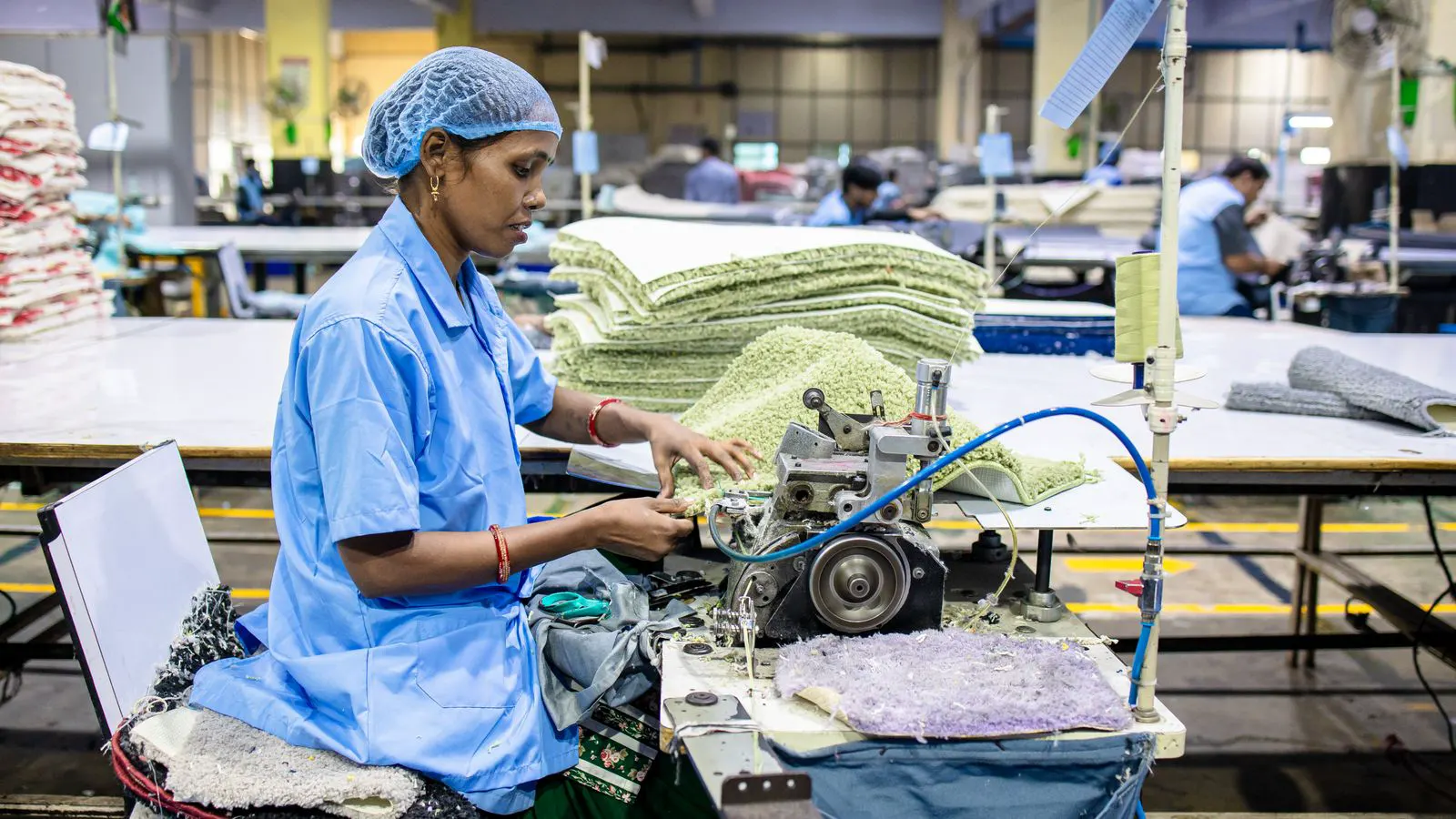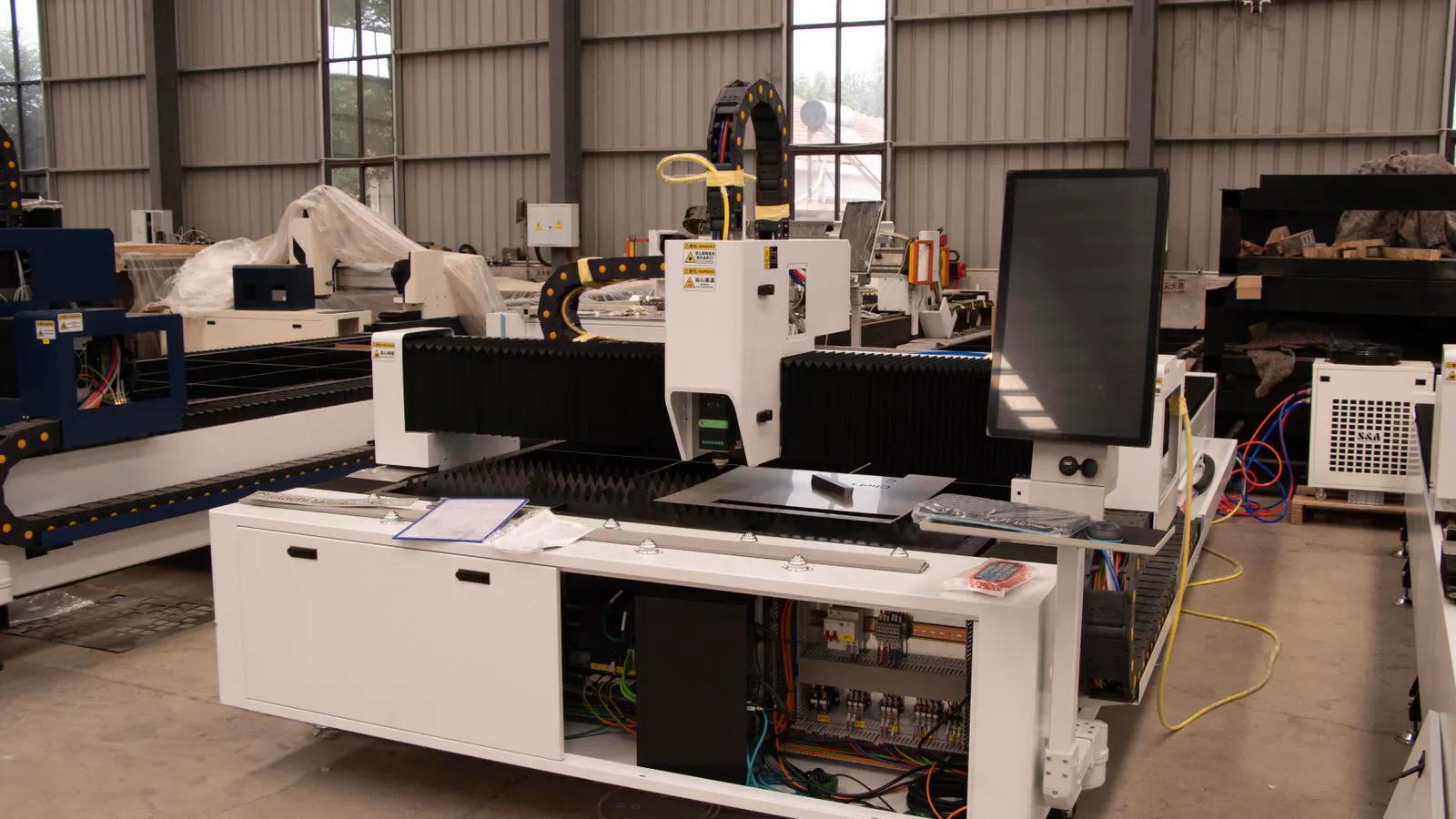
Selecting the right fabric cutting system depends on material type, production volume, and precision needs. Evaluate blade quality, automation level, and maintenance costs. Match the equipment to your specific luggage assembly line to ensure consistent cut quality and reduce waste.
- Match the cutting technology to the specific materials used in your bag construction, such as nylon, canvas, or leather.
- Evaluate blade maintenance requirements and replacement costs, as this directly impacts production downtime and labor expenses.
- Prioritize precision and repeatability to reduce material waste and ensure consistent component dimensions for assembly.
- Assess the integration capability with existing factory workflows and operator training requirements before final selection.
What Material Types Dictate Your Cutting Requirements
The fabric you cut determines the basic parameters of your cutting system. Luggage manufacturing often involves multiple material layers, including outer shells, linings, and reinforcement panels. Each material type presents different resistance levels and edge behavior.
Nylon and polyester fabrics are common in soft-sided luggage. These materials can stretch slightly during cutting, which affects dimension accuracy. When a blade pushes through a stretchy fabric, the material can shift or pull back before the cut is complete. This slippage causes the cut edge to deviate from the programmed path. To manage this, operators often use stabilizing tape or cut the material at a slight angle to counteract the stretch. Cotton canvas and denim offer more dimensional stability but require sharper blades to prevent fraying. The dense weave of these materials resists the blade, creating a sawing action if the edge is dull. A dull blade on cotton canvas produces a rough, jagged edge that tears during subsequent cutting operations. Leather and coated fabrics present the highest cutting resistance and often generate dust or fines that can affect machine ventilation. Coated fabrics, such as PVC or PU laminates, can be slippery, causing the blade to skip or bounce. Leather generates abrasive particles that clog filters and dull blades faster than organic fibers.
When evaluating a cutting system, test it with your exact production materials. Request sample cuts from the supplier using your specific fabric grades. Check edge quality, dimensional tolerance, and the appearance of the cut face. A machine that performs well on light polyester may struggle with heavy coated canvas. Look at the cut face closely under raking light. A clean cut shows a smooth transition from the fabric core to the edge. A poor cut shows a torn or crushed layer at the edge, indicating that the blade did not cut cleanly through the material. This crush can weaken the seam strength at the attachment point.
How Production Volume Affects System Selection
Batch size and daily output targets drive the choice between manual, semi-automatic, and fully automated cutting systems. High-volume bag production lines typically require systems that can handle multiple fabric layers simultaneously. If you cut fifty pairs of the same bag in a day, manual cutting becomes a bottleneck. The operator must position each layer, align the pattern, and cut. This process is slow and prone to fatigue-induced errors.
Manual cutting stations are suitable for low-volume runs or highly complex patterns that require manual trimming. They offer flexibility but depend heavily on operator skill. A skilled operator can adjust the blade angle and pressure to handle irregular fabric folds. However, consistency is difficult to maintain across shifts. Semi-automatic systems provide guidance and partial automation, reducing labor intensity while maintaining flexibility for pattern changes. These systems often use a guide rail or a simple CNC axis to control the blade path while the operator manages material placement. They are well suited for small to medium batch sizes where patterns change frequently. Fully automated cutting systems use computer-controlled blades or laser systems to execute precise patterns quickly. These systems feed material automatically and cut without operator intervention. They maximize throughput but require strict material preparation and pattern validation.
Consider the number of fabric layers you typically cut at once. Cutting ten layers of standard bag fabric is significantly more demanding than cutting one layer. The cutting force required increases with layer thickness, which impacts machine power and blade life. As you add layers, the blade encounters more resistance, leading to higher motor load and increased heat generation. High-volume operations should prioritize systems with consistent cutting force and low maintenance intervals. A system that cuts ten layers cleanly and consistently requires less operator attention and produces fewer defects than one that requires frequent adjustments.
What Precision and Repeatability Standards Apply
Consistent cut dimensions are critical for bag assembly. If a strap is cut two millimeters short, it may not fit through the grommet or attachment point. If a panel is cut slightly uneven, the bag may sit crooked during final assembly. In bag construction, parts must fit together with tight tolerances. A zipper pocket that is too small will not close properly. A base panel that is too large will create excess material that must be trimmed by hand, increasing labor time.
Evaluate the machine’s dimensional accuracy and repeatability. Ask for test data showing the variance across multiple cuts of the same pattern. Check how the system handles pattern registration, especially for multi-panel patterns where alignment between pieces matters. Registration errors occur when the pattern shifts during cutting. This can happen if the material moves on the cutting bed or if the pattern file itself is misaligned. For bags with multiple panels that must align at seams, even small registration errors can lead to visible mismatch in the finished product.
Laser cutting offers high precision for thin materials and intricate designs. It creates clean edges without mechanical stress on the fabric. The laser beam cuts by vaporizing material, leaving a charred edge that is often sealed, reducing fraying. However, laser cutting may not be suitable for thick leather or certain synthetic materials that can melt or discolor. Melting occurs when the laser heat melts the material surface, creating a glossy, hardened edge that does not bond well during sewing. Mechanical blade cutting handles thicker materials better but may produce slightly rougher edges. A sharp blade cuts cleanly, but as it dulls, the edge becomes rougher and more prone to fraying.
How Blade Technology and Maintenance Impact Costs
The cutting mechanism determines both quality and long-term operating costs. Rotary blades, straight blades, and laser heads each have different maintenance profiles.
Rotary blade systems use circular blades that rotate as they cut. They handle multiple layers well and are common in bag production. The blades wear down over time and require periodic sharpening or replacement. The sharpness of a rotary blade can be checked by running a fingernail across the edge. A sharp blade will catch slightly. A dull blade will slide off. Straight blade systems use a linear cutting motion and work well for straight-line cuts. They are often used for large panels and base plates. The straight blade requires frequent sharpening because it engages the material with a long contact point. Laser systems eliminate physical blades entirely but require lens cleaning and alignment checks. The laser lens accumulates dust and debris, which reduces beam intensity and can cause uneven cutting. Regular cleaning and alignment are necessary to maintain precision.
Factor maintenance into your total cost of ownership. A cheaper machine with frequent blade replacements may cost more over time than a higher-priced system with longer blade life. Ask about average blade life in hours of operation and the cost of replacement blades. For example, if a blade lasts fifty hours and costs ten dollars, the maintenance cost per hour is two cents. If a more expensive blade lasts two hundred hours and costs twenty dollars, the cost per hour is one cent. Over a year of continuous operation, the difference adds up.
Operator training also matters. Some systems require specialized training to achieve optimal results. Others are designed for quick setup and basic operation. Consider the skill level of your cutting staff and the time required to train new operators. A complex system may take weeks to master, while a simple system can be learned in a day. Training time affects productivity during the initial rollout.
How Integration and Workflow Fit Into Your Factory
The cutting system must fit into your existing production flow. If your factory uses digital pattern files, the cutting system should accept those files directly. If you still use paper patterns, consider whether the system can scan and digitize them. Digital integration reduces errors and speeds up setup. A digital file allows the system to scale, rotate, and position patterns automatically. Paper patterns require manual alignment, which is slower and more prone to error.
Check how the system handles material loading and unloading. Large fabric rolls require different handling than small fabric pieces. Automated systems often include material feeding mechanisms that reduce manual handling. Manual systems require operators to position the fabric correctly before cutting. For large rolls, a feeding mechanism that unrolls the fabric onto the cutting bed is essential. Without it, operators must manually unroll and position the fabric, which is slow and labor-intensive.
Consider the space required. Large cutting systems need sufficient floor space for operation, maintenance, and material storage. Ensure your factory layout can accommodate the machine without creating bottlenecks. A large cutting system may require a dedicated area with clear access for material loading and finished piece removal. If the machine blocks a walkway or a loading dock, it creates inefficiencies. Plan the layout carefully to ensure smooth material flow.
What Quality Checks Should You Perform Before Purchase
Do not rely solely on supplier specifications. Conduct a practical evaluation before committing to a purchase.
- Request a test cut using your production materials. Inspect the edge quality and measure dimensions with calipers.
- Run a sample pattern that represents your most complex production job. Check for registration errors and pattern alignment.
- Evaluate the noise level and dust generation in your factory environment. Some systems require ventilation modifications.
- Ask about service support. How quickly can the supplier respond if the machine breaks down during production?
- Check references from other bag manufacturers. Ask about long-term reliability and actual maintenance costs.
A machine that performs well in a showroom may behave differently in your factory. Real-world testing with your actual materials and patterns provides the most reliable information. Showroom conditions are controlled and ideal. Your factory may have dust, humidity, or temperature variations that affect performance. Testing in your actual environment reveals hidden issues.
Criteria Table for Comparing Cutting Systems
Use this table to compare potential fabric cutting systems during your evaluation.
| Criterion | What to look for | Why it matters |
|---|---|---|
| Material Compatibility | Can it handle your specific fabrics and layer counts? | Prevents edge damage and dimensional errors in production. |
| Cutting Precision | What is the dimensional tolerance and repeatability? | Ensures parts fit together correctly during assembly. |
| Blade or Cutting Head Life | How often do cutting components need replacement? | Affects ongoing labor costs and production downtime. |
| Automation Level | What tasks are automated versus manual? | Balances labor cost with flexibility for pattern changes. |
| Pattern Input | What file formats or pattern methods are supported? | Determines integration with your digital design workflow. |
| Maintenance Requirements | What routine checks and service intervals are needed? | Helps plan for preventive maintenance and operator training. |
| Space and Integration | Does it fit your factory layout and workflow? | Avoids production bottlenecks and inefficient material handling. |
Final Decision Checklist
Before selecting a cutting system, verify the following:
- The system has been tested with your exact production materials.
- Dimensional accuracy meets your assembly tolerance requirements.
- The maintenance plan is realistic for your factory schedule.
- Your operators can be trained within an acceptable timeframe.
- The system integrates with your existing pattern and production workflow.
- Service support and spare parts availability are confirmed.
- The total cost of ownership, including maintenance, fits your budget.
Choosing the right cutting technology is a long-term decision that affects material waste, labor efficiency, and product quality. Take the time to evaluate each option against your specific production needs. A system that matches your materials, volume, and precision requirements will deliver consistent results and reduce operational friction.
Frequently asked questions
What is the difference between laser cutting and mechanical blade cutting for bag production?
Laser cutting provides high precision and clean edges for thin materials but may melt certain synthetics. Mechanical blade cutting handles thicker materials and multiple layers better but may produce rougher edges.
How many fabric layers can a typical cutting system handle?
Capacity depends on the machine type and material weight. Lighter fabrics can be cut in larger batches, while heavier materials require fewer layers per cut to maintain blade integrity.
How often do cutting blades need replacement?
Blade life varies by material and usage. Heavier materials and higher production volumes reduce blade life. Request average replacement intervals from the supplier based on your expected output.
Can cutting systems handle leather and coated fabrics?
Yes, but the system must be selected for high cutting resistance. Leather and coated fabrics require stronger cutting mechanisms and may generate more dust, which affects ventilation requirements.
What is the main cost difference between manual and automated cutting systems?
Manual systems have lower upfront costs but higher labor costs over time. Automated systems require higher initial investment but reduce labor intensity and improve consistency across high-volume production.