Custom tooling lead times depend on mold complexity, material selection, factory capacity, and communication quality. A clear RFQ and phased approval process help reduce delays and align production planning with realistic delivery expectations.
- Custom tooling for luggage molds can take weeks to months depending on design complexity and material choice.
- A detailed RFQ with clear specifications and approval milestones shortens the path to production.
- Comparing quotes fairly means aligning scope, tolerances, and revision limits before judging price.
- Production planning should include tooling lead time, sample approval, and capacity checks.
- Early coordination on materials, surface finish, and testing reduces rework and delays.
What drives the duration of custom tooling?
Tooling duration for custom luggage is set by the number of moving parts, the materials involved, and the level of design certainty before metalwork begins. A simple hard-shell mold with a single cavity and standard surface finish may move quickly. A soft-side suitcase with multiple injection points, molded handles, and textured surfaces takes longer. The factory must cut, heat-treat, and test each component before the mold is ready for samples.
The first step is usually a 3D model review. The tooling shop checks wall thickness, undercuts, and parting lines. If the model has sharp corners, thin walls, or complex internal ribs, the tooling time increases. The shop may propose design changes to make the part easier to release from the mold. Those changes can save days, but they must be agreed before cutting starts.
Material choice changes the timeline. Aluminum molds are used for short runs and lower-cost prototypes. Steel molds last longer and support higher production volumes. Steel requires more cutting and finishing time. If the buyer wants a textured finish, a specific color master, or a custom clasp pocket, the tooling shop must build or test those features separately. Each added feature adds setup time and inspection time.
How does mold complexity affect delivery?
Mold complexity is the biggest variable. A one-piece injection mold for a small accessory is different from a two-part mold for a hard case. The more cavities, the more the tooling team must coordinate. A four-cavity mold may run faster in production, but it takes more time to build and test. The mold must be balanced so each cavity produces the same part. That balancing work is part of the tooling timeline.
Soft goods tooling is different. A molded handle, a base insert, or a hardware pocket may use smaller molds. Those molds can be made faster, but they still require testing for fit, wear, and release. If the luggage design includes a molded zipper garage or a molded logo, the tooling shop must test the part against the fabric and hardware. A small mismatch can cause a rejected sample.
The number of revisions matters. If the buyer changes the design after the tooling shop has started cutting, the schedule slips. A change to a handle width, a hinge location, or a surface texture can require reworking a tooling component. The factory may charge for rework, but the bigger cost is time. The mold may need to be disassembled, edited, and retested.
What should a clear RFQ include?
A clear RFQ is the best way to get an accurate tooling quote. The buyer should provide a 3D model in a standard format, a material specification, and a target production volume. The RFQ should state the expected first article date, the number of sample runs, and the acceptance criteria. It should list the surface finish, the color, and any special features such as textured grip or integrated hardware.
The RFQ should also define the approval process. The buyer should state whether approval is by photo, 3D print, or physical sample. The buyer should state who signs off on the sample and what happens when a sample fails. The factory should know what information is needed to release the tooling. If the RFQ is vague, the factory will ask for clarification. Each exchange adds time.
A good RFQ includes a production volume plan. If the buyer expects a low volume, the factory may recommend a shorter-life tooling strategy. If the buyer expects a large volume, the factory may recommend a more durable mold. The RFQ should also include the target unit price or price range. That helps the factory understand the cost structure. The factory can then suggest design changes that reduce tooling cost without hurting quality.
How do buyers compare tooling quotes fairly?
Tooling quotes are not always like-for-like. One factory may quote a lower price but include fewer revisions, fewer test cycles, or a shorter warranty. Another factory may charge more but include detailed testing and a longer tooling warranty. The buyer should compare the scope before comparing the number.
The buyer should ask for a breakdown. A clear quote lists the design review, the CAD work, the cutting, the heat treatment, the finishing, and the trial shots. It lists the number of trial cycles and the sample acceptance criteria. It lists the delivery date for the tooling and the first samples. The buyer should ask what happens if a sample fails. The quote should state whether the factory absorbs the cost of rework or charges separately.
The buyer should also compare the factory’s capacity. A factory with a long queue may quote a lower price but deliver later. A factory with open capacity may charge more but meet the target date. The buyer should ask for a realistic schedule, not just a quote. The schedule should show the start date, the tooling completion date, the sample date, and the production start date.
What is a realistic production planning approach?
Production planning starts with the tooling lead time. The buyer should not plan production until the tooling is approved and the samples pass. A typical plan includes a design freeze, a tooling order, a sample approval, and a production release. The buyer should build buffer time into the plan. Tooling can be delayed by material shortages, machine availability, or design changes.
The buyer should set milestones. A milestone might be the CAD approval, the tooling completion, the first sample, and the production release. Each milestone should have a date and a responsible person. The buyer should track the milestones and communicate changes early. If a sample fails, the buyer should know the rework time before it happens.
The buyer should plan for capacity. The factory may have the tooling ready but no open production slots. The buyer should confirm the production date before the tooling is completed. The buyer should also plan for quality checks. The first production run often needs extra inspection. The factory may need to adjust the mold or the machine settings. That adjustment time should be part of the plan.
How do cost and lead time interact?
Cost and lead time are linked. A faster delivery usually costs more. The factory may charge for expedited cutting, priority heat treatment, or extra trial cycles. A longer lead time may reduce cost, but it may miss a market window. The buyer should decide the trade-off before the RFQ. If the target date is fixed, the buyer should state it clearly. If the budget is fixed, the buyer should state it clearly.
The buyer should avoid hidden costs. Tooling cost is not the only cost. The buyer should factor in sample cost, rework cost, and production cost. The buyer should ask about tooling ownership. If the buyer owns the tooling, the factory may charge a setup fee. If the factory owns the tooling, the buyer may pay a per-unit surcharge. The buyer should compare the total cost over the expected production volume.
The buyer should also consider the factory’s experience. A factory with strong tooling experience may deliver on time and with fewer defects. A factory with weak tooling experience may deliver late and with more rework. The buyer should ask for examples of similar projects. The buyer should check the factory’s tooling department, not just its production line. A strong tooling department is a strong signal of overall quality.
How does the tooling process look in practice?
The tooling process usually starts with a design review. The factory checks the 3D model and identifies issues. The factory may propose changes. The buyer approves the changes. Then the factory prepares the tooling drawings. The drawings show dimensions, tolerances, and material requirements. The factory approves the drawings before cutting.
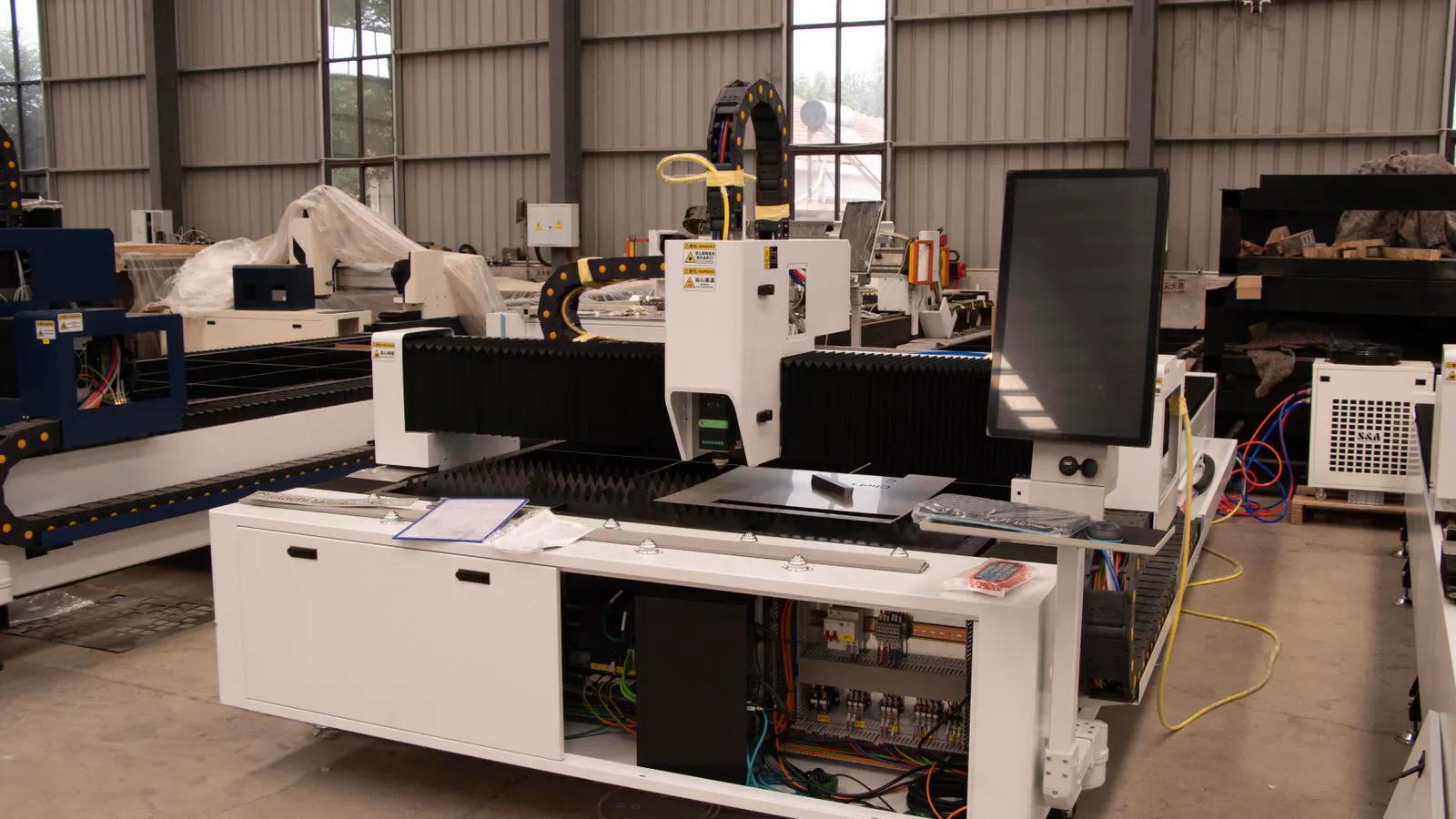
Next, the factory cuts the mold components. The cutting may be done on a CNC machine. The components are then ground and finished. The factory may use a polishing process for a smooth surface. The factory may use a texture process for a grip surface. The factory assembles the mold. The factory tests the mold for fit and function.
The factory then runs trial shots. The trial shots produce the first samples. The factory checks the samples for dimensions, surface finish, and function. The factory sends the samples to the buyer. The buyer reviews the samples. If the samples pass, the factory releases the mold for production. If the samples fail, the factory reworks the mold and runs new trial shots.
How can buyers reduce tooling delays?
Buyers reduce delays by preparing a complete RFQ. A complete RFQ includes all the information the factory needs to start work. The buyer should avoid late changes. A late change can rework a completed component. The buyer should approve the design quickly. The buyer should set a clear approval process. The buyer should name the person who signs off on the sample.
Buyers reduce delays by choosing a factory with a strong tooling department. The factory should have experienced tooling engineers and a reliable cutting shop. The factory should have a clear process for design review and sample approval. The factory should provide a realistic schedule and communicate changes early. The buyer should build buffer time into the plan.
Buyers reduce delays by understanding the cost of speed. A faster tooling schedule may require priority work and higher cost. The buyer should decide the trade-off before the RFQ. The buyer should ask for a clear price for expedited service. The buyer should compare the total cost of speed with the cost of delay. A small increase in tooling cost may save a large production delay.
Frequently asked questions
What is a typical tooling lead time for custom luggage?
A simple mold for a small part may take a few weeks. A complex two-part mold for a hard case or a soft-side feature can take many weeks or more. The exact time depends on complexity, material, and factory capacity.
How does a clear RFQ improve the tooling timeline?
A clear RFQ gives the factory all the information it needs to start work. It reduces back-and-forth, avoids late changes, and helps the factory build an accurate schedule.
Should the buyer own the tooling?
Ownership depends on the expected volume and the factory's terms. If the buyer plans a large volume, owning the tooling may make sense. If the volume is low, the factory may prefer to own it.
What should the buyer check before approving a tooling quote?
The buyer should check the scope, the number of trial cycles, the sample approval process, the rework policy, and the delivery date. The quote should be clear and comparable.
How does production planning affect tooling cost?
A clear production plan helps the factory allocate capacity and materials. It reduces idle time and rework. It also helps the buyer avoid delays and hidden costs.