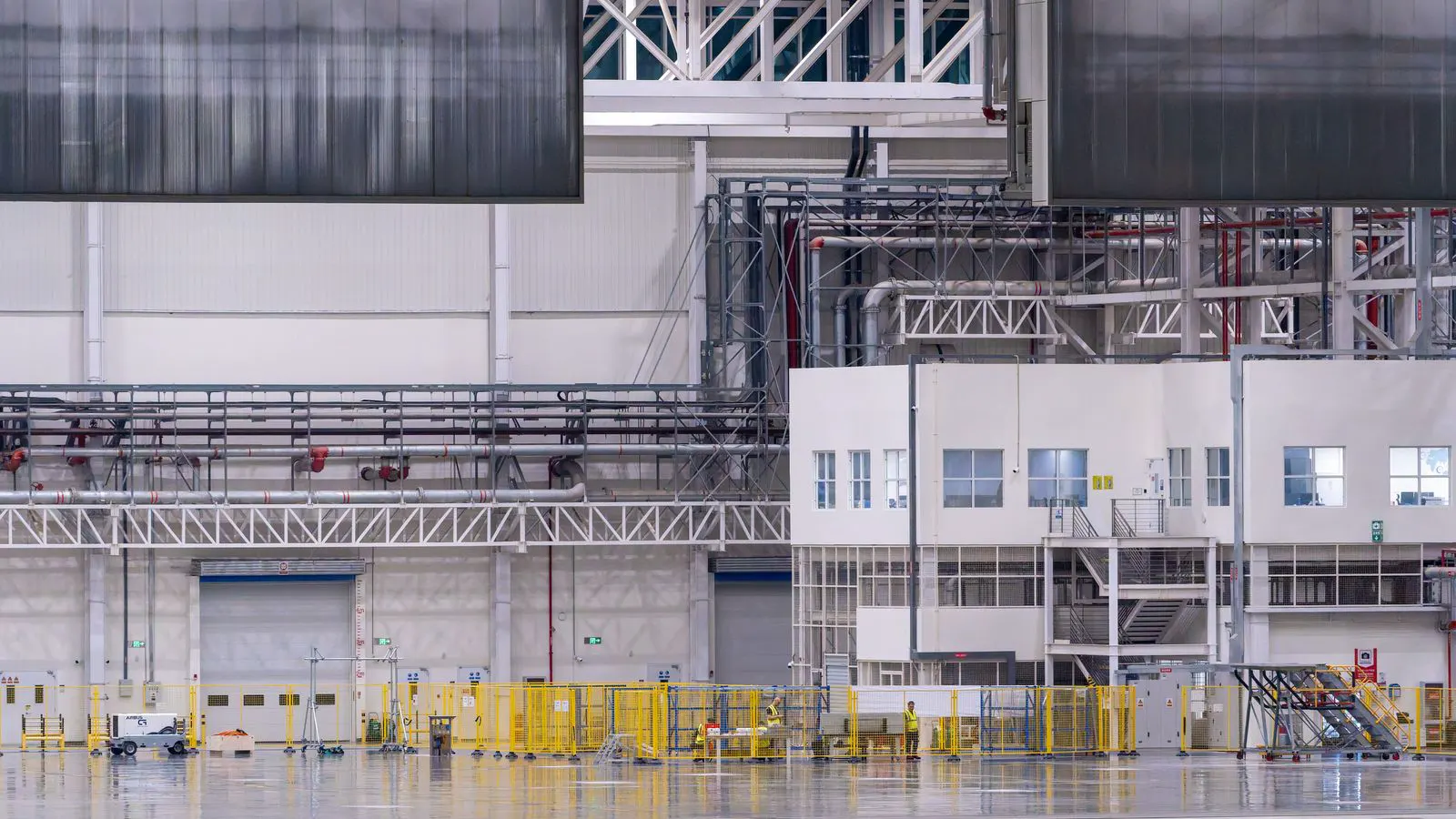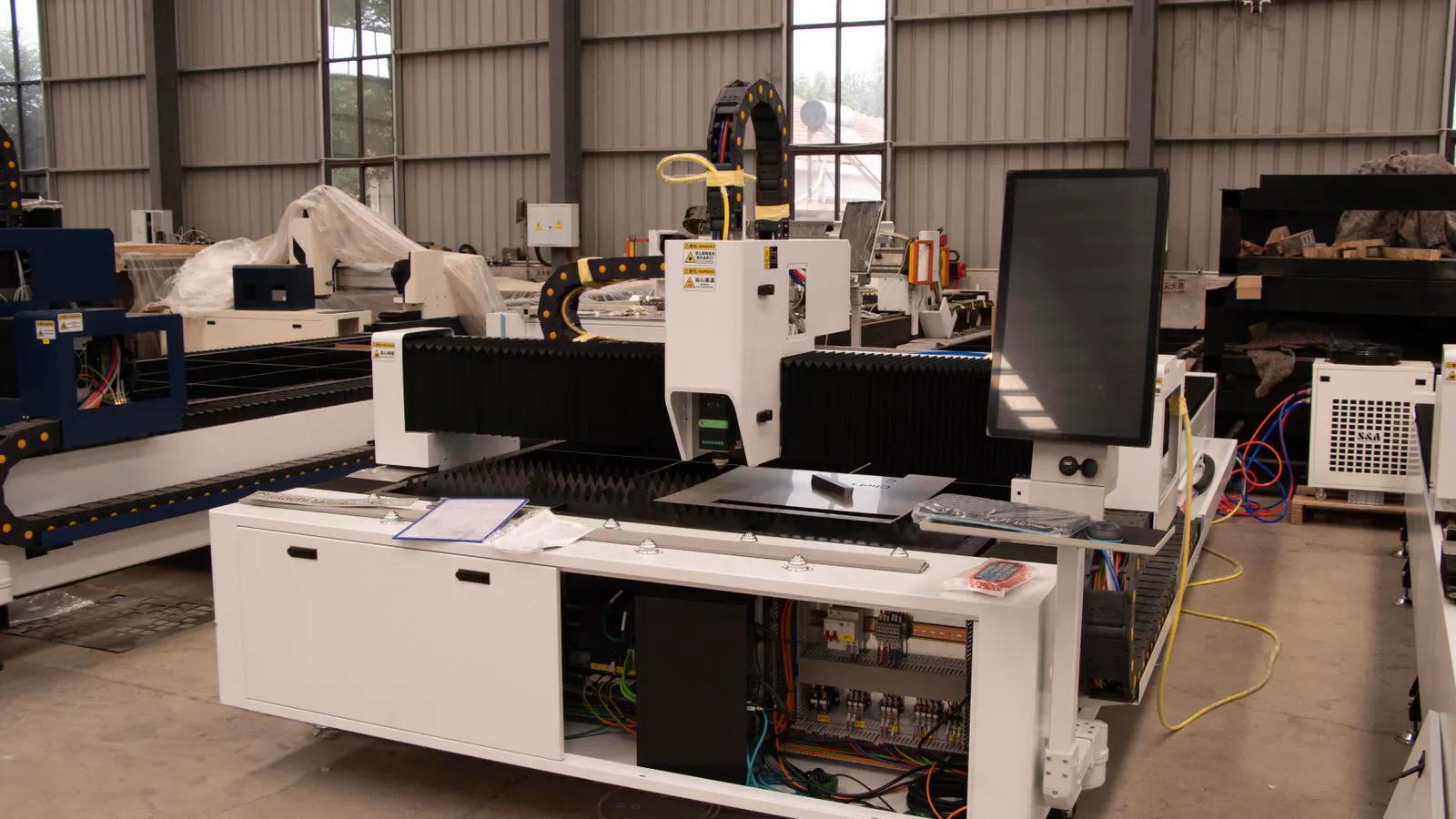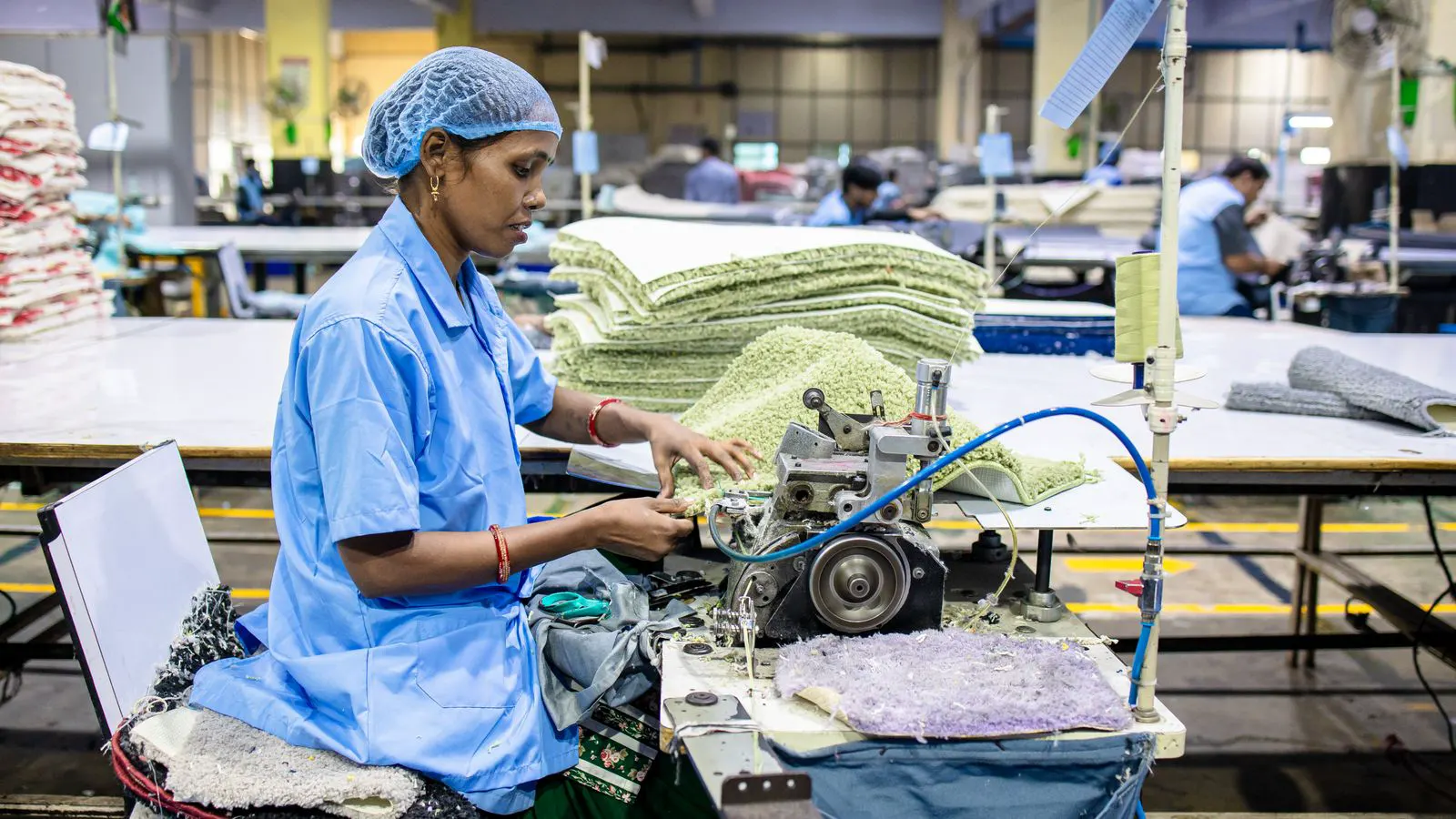
A factory audit on the floor reveals whether workstations support your bag specs. This checklist covers layout, tools, material storage, quality checks, and workflow to identify production risks before you commit to an order.
- Walk the line from raw material storage to final inspection to verify workflow.
- Check that each workstation has the specific tools required for your bag construction.
- Watch for evidence of consistent quality control at every stage, not just the end.
- Evaluate whether the factory can scale the workstation setup for your volume.
- Document findings with photos and written notes during the audit.
A factory floor tells you more than a catalog or a capability deck. When you walk through the production area, you see how the factory actually builds bags. This guide gives you a practical checklist to run during a factory audit. It covers the physical setup of workstations, the tools present, the material flow, and the quality checkpoints built into the process. Use it to verify that the factory can handle your design, your tolerances, and your volume.
The goal is not to judge the factory as a whole. The goal is to see if the specific workstations where your bag will be made are ready. A good factory can adapt its layout to your requirements. A weaker one will push you toward compromises that show up in the finished product. This checklist helps you see the difference.
How to structure your factory audit
Start by mapping the production flow before you walk the floor. Most bag factories move through a sequence of operations: cutting, assembly, zipping, stuffing, final inspection, and packing. Ask the production manager to show you where each of these happens for your specific style.
Do not just watch the line running. Stop at each workstation and ask the operator to explain their task. Look at the parts in front of them. Check the tools they are using. See how materials arrive and how finished pieces leave.
The flow matters. If cutting and assembly are far apart, material handling time increases. If final inspection happens after packing, defects can be missed. A well-organized factory keeps the sequence tight and logical.
Keep a notebook and a camera. Write down what you see. Photograph workstations, tool setups, and material storage. These notes become your baseline for follow-up questions and future audits.
Workstation layout and workflow
A workstation is not just a table. It is a defined area with specific tools, materials, and task instructions. Evaluate whether each station is set up for a single task or for multiple tasks.
Single-task stations are easier to control. They reduce confusion and make quality checks more consistent. Multi-task stations can be efficient for small batches, but they create more opportunity for errors. If your design has many components, the factory should be able to show you how each component is handled at its own station.
Check the distance between stations. If an operator has to walk far to get the next part, the line slows. If parts are stacked high and hard to reach, the operator is more likely to drop them or use the wrong piece.
Look for clear separation between clean parts and finished products. A bag in the final inspection area should not be sitting next to loose zippers and unused webbing. Cross-contamination of parts creates misassembly errors.
Tools and equipment at each station
Every bag construction step requires specific tools. The quality of those tools affects the consistency of the work. During your factory audit, inspect the tools at each workstation.
Start with the cutting stations. Check the condition of the cutting blades or the sharpness of the knives. Dull blades tear fabric and create uneven edges. This shows up in the finished bag as frayed edges and uneven panels.
Move to the stitching stations. Look at the machines. Are they the correct type for the fabric and thread you are using? Check the thread tension. A machine set for heavy canvas will not work well on light polyester. The factory should have machines tuned for your material specs.
Check the zipping stations. Zippers require careful handling. Look for tools that help align the zipper teeth and feed the fabric smoothly. A workstation without proper guides or tensioners will produce zipper misalignment. This is a common defect in soft-sided luggage.
For grommets and metal hardware, check the riveting or grommet setting tools. These require consistent force. A worn or poorly maintained tool creates uneven holes and loose hardware. The factory should show you the setup for your specific grommet type and metal clasp.
Material storage and handling
Materials sit at workstations until they are used. How they are stored determines whether the operator gets the right piece at the right time.
Check the storage racks. Are materials organized by color, size, and part number? If webbing rolls are stacked randomly, the operator may grab the wrong width. If fabric bolts are not labeled, the operator may cut the wrong material.
Look at how delicate parts are stored. Zippers, buckles, and small metal clasps need protection from damage. If they are dumped in open bins, they will get scratched or bent. Scratches on metal clasps are visible in the finished bag.
Check the environment. Dust on fabric affects stitching appearance. Moisture in a humid environment can warp cardboard or plastic parts. A factory that stores materials in clean, dry conditions reduces defects.
For your specific order, verify that the material storage can hold your exact colorways and part numbers. A factory that mixes multiple orders on the same racks is more likely to use the wrong material.
Quality control checkpoints
Quality control is not just a final inspection at the end of the line. A ready factory builds checks into each workstation.
At the cutting station, the operator should verify the pattern against the fabric before cutting. Look for a marked sample or a labeled pattern piece. If there is no reference, the operator is relying on memory and guesswork.
At the stitching station, the operator should check seam length and stitch density. A single bad stitch can be caught quickly. A bad stitch that runs for ten centimeters before the operator notices creates a longer repair.
At the assembly station, the operator should check alignment before the next step. If two panels do not line up, the operator should stop and flag it. If the operator just pushes the misaligned panels into the next step, the defect moves closer to the finished product.
At the final inspection, the inspector should check the entire bag. Look at the zipper function, the clasp operation, the grommet strength, and the stitching on all visible seams. The inspector should have a written checklist or a digital form to follow.
Ask to see the defect log. A good factory tracks what defects come up most often and how they are fixed. If the log shows a pattern of zipper misalignment, ask how the factory corrects it. If the log is empty or missing, the quality process may be informal.
Documentation and communication
A factory audit is not just about seeing the floor. It is about seeing how the factory communicates requirements.
Check the work instructions at each station. Are they written? Are they in a language the operators understand? Do they include photos of the correct setup? A station with no written instructions relies on verbal handoffs. Verbal handoffs create errors.
Check the material labels. Each part should have a label that matches your purchase order. If the labels are handwritten and unclear, the risk of using the wrong part increases.
Check the sample approval process. Before mass production, the factory should have approved a sample. Look for the approved sample at the workstation. If the operators are building from a verbal description, the final product may not match your spec.
Ask about the communication channel for changes. If you need to adjust a color or a part during production, how does the factory update the workstation? A clear process reduces confusion. An unclear process creates rework.
Scaling and capacity
A workstation setup that works for a small batch may not work for your volume. During your factory audit, evaluate whether the factory can scale.
Check the number of operators at each station. If the line is balanced, the same number of operators should be needed at each step. If one station has five operators and the next has one, the line will bottleneck. The bottleneck station determines your output.
Check the number of machines. If the factory has only one stitching machine for your fabric type, and it breaks down, production stops. A factory with multiple machines can keep working. A factory with a single machine is a single point of failure.
Check the storage capacity. If your order requires a large number of parts, the factory needs room to store them without blocking the line. If the floor is already crowded, adding your materials will slow everything down.
Check the timeline. Ask the factory to walk you through the production schedule for your order. See where the workstations fit into the schedule. If the schedule is tight, any delay at one station affects the whole order.
Common red flags to watch for
During a factory audit, certain signs indicate that the workstation setup may not be ready for your order.
Watch for cluttered workstations. If tools and materials are mixed together, the operator will make mistakes. A clean station with labeled parts is a sign of control.
Watch for inconsistent tools. If one stitching machine is new and the next is old and worn, the quality will vary. A factory that maintains its tools consistently produces consistent results.
Watch for missing documentation. If there are no work instructions, no sample approvals, and no defect logs, the quality process is informal. Informal processes do not hold up under volume.
Watch for pressure to skip steps. If the factory suggests skipping a quality check to save time, do not agree. That check exists for a reason. Skipping it moves the risk to you.
Watch for a lack of separation between orders. If the factory is running multiple styles on the same line and the same racks, the risk of cross-contamination is high. Your bag should be built with your materials at your workstations.
Watch for a factory that cannot show you the specific workstation for your design. If the manager says “we will handle it” but cannot point to the cutting station, the stitching station, and the final inspection area, the factory may not be as organized as you need.
A simple table for your audit notes
Use this table during your walk. Fill it in as you visit each station. It gives you a clear record of what you saw and what you need to verify.
| Workstation | Tool Condition | Material Storage | Quality Check | Documentation | Notes |
|---|---|---|---|---|---|
| Cutting | Blades sharp | Labeled fabric bolts | Pattern verified | Written instructions | Check for frayed edges |
| Stitching | Thread tension correct | Thread spools labeled | Seam density checked | Machine settings logged | Check for skipped stitches |
| Zipping | Guides and tensioners present | Zippers organized | Alignment checked | Sample approved | Check for zipper misalignment |
| Hardware | Riveting tool maintained | Parts in bins | Grommet set evenly | Part labels clear | Check for loose clasps |
| Final Inspection | None required | Finished bags stored | Full bag check | Defect log maintained | Check zipper function and stitching |
How to use the checklist after the audit
After you complete the factory audit, review your notes. Identify the gaps. If a workstation lacks the right tool, ask the factory to show you how they plan to fix it. If a quality check is missing, ask them to add it to the process.
Do not assume the factory will fix things on its own. Write down the required changes. Ask for a written confirmation that the workstation setup will match your requirements before mass production starts.
If the factory cannot meet your workstation requirements, do not force the order. A factory that cannot set up the right station for your bag will produce defects. The cost of rework or replacement is higher than the cost of finding a factory that can meet your spec.
The factory audit is your protection. It is not about blaming the factory. It is about verifying that the process can deliver your product. Walk the floor. Check the stations. Ask the questions. Build your order on a foundation you can see.
Frequently asked questions
How long does a factory audit take?
A full walkthrough of a bag factory typically takes two to four hours. The time depends on the complexity of the line and how many workstations you need to inspect for your specific design.
Do I need to bring a technician with me?
A technician is helpful if your bag uses complex hardware or specialty stitching. They can check tool settings and machine calibration more precisely. For standard bag construction, a knowledgeable buyer can run the checklist effectively.
What if the factory refuses to show me the final inspection area?
Do not proceed with the order. Final inspection is where defects are caught. If the factory will not show you that area, the quality control process is not transparent. Move to a factory that gives you full visibility.
Can I audit by video call if I cannot travel?
A video audit is better than nothing, but it is not a substitute for a physical visit. You cannot see tool condition up close, check material storage, or verify the smell of the environment. Use video to pre-screen, but plan a physical audit before a large order.
How often should I re-audit the factory?
Re-audit after major changes, such as a new product line, a new material, or a significant increase in volume. You should also re-audit after any serious defect issue. The workstation setup can drift over time if not monitored.