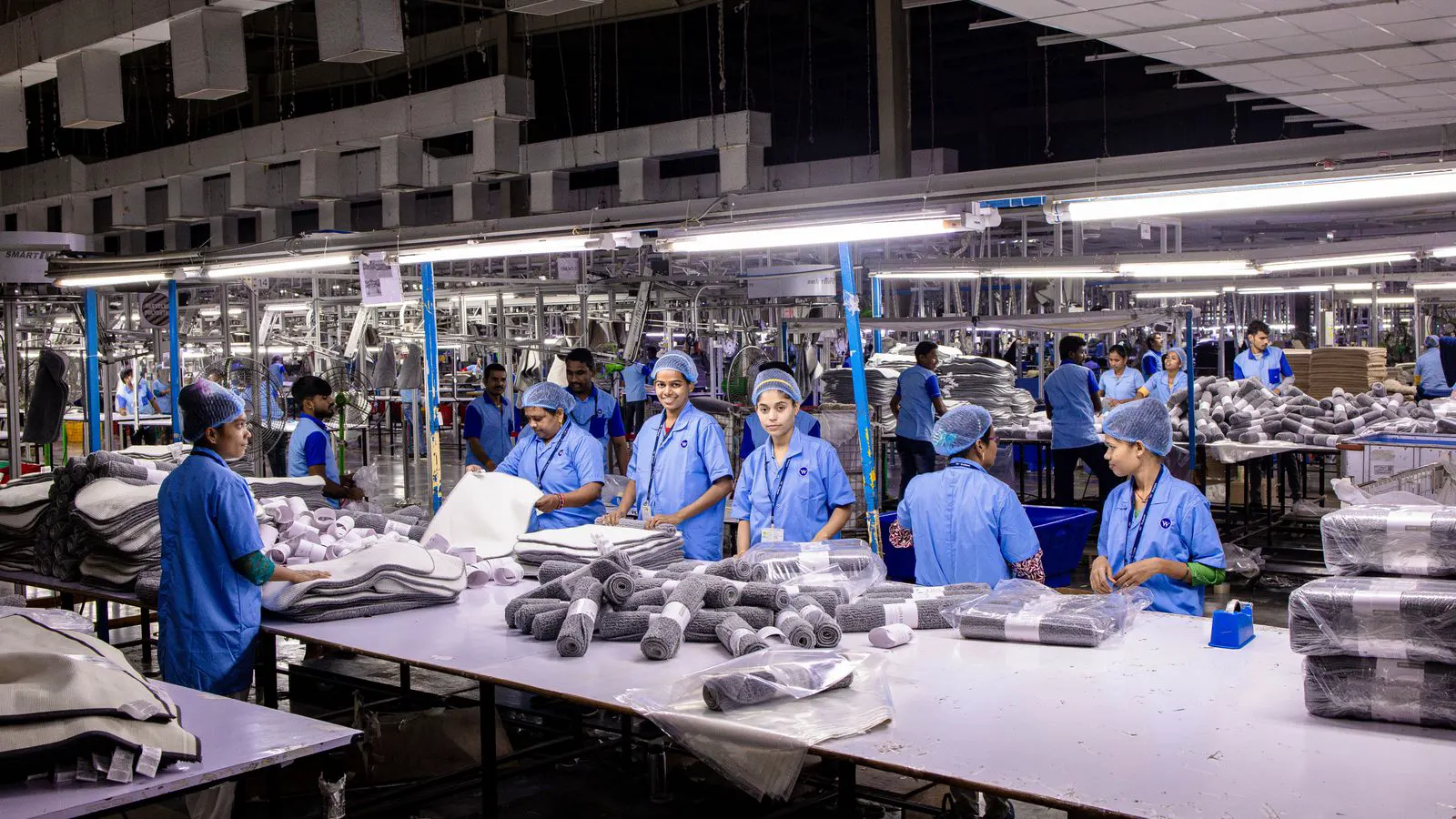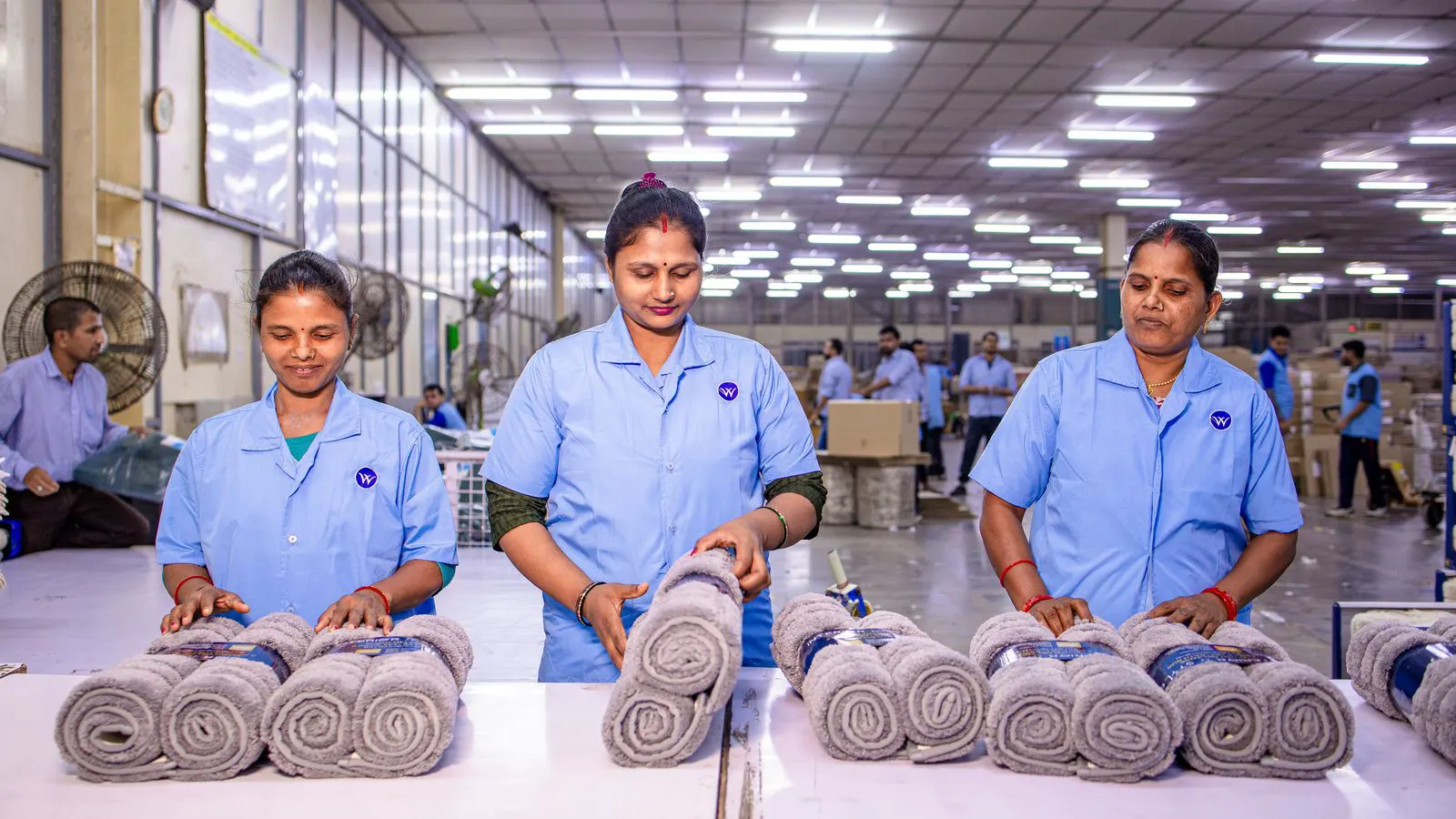
A structured factory audit checklist helps buyers verify quality management, process control, and supplier selection practices. It covers document review, line checks, and red flags for consistent bag and luggage production.
- Review quality documents and process control records before evaluating the production floor.
- Check inspection points, defect handling, and rework procedures on the line.
- Watch for missing calibration logs, unmarked samples, and inconsistent labeling.
- Verify supplier selection and incoming inspection for critical components.
- Document findings and agree on corrective actions before awarding orders.
Why a Factory Audit Checklist Matters
A factory audit for bag and luggage production is a structured review of how a manufacturer controls quality. It goes beyond looking at finished products. It tests whether the factory has systems in place to prevent defects, trace problems, and fix them before they reach your customers.
For buyers and engineers, the goal is to confirm that quality is built into the process. A factory can produce a good sample. The audit checks whether it can produce a good sample again, consistently, at scale.
Use this checklist as a working tool. Bring it to the floor. Mark items as passed, failed, or not applicable. Photograph specific issues. Agree on corrective actions before leaving the site.
Pre-Audit Document Review
Before walking the floor, request the core quality documents. These papers tell you what the factory claims to do. Compare them against what you see later.
-
Quality policy and quality objectives. Look for measurable targets. A policy should state what the factory aims to achieve, such as defect rate goals or customer complaint response times. A generic statement about commitment to quality is not enough. Ask for the specific numbers. If the target is a defect rate below a certain percentage, ask how that target is measured and reported. If the target includes customer complaint response, ask for the average time taken to reply to the last ten complaints.
-
Quality management procedures. These should cover how the factory handles incoming materials, production control, inspection, nonconforming product, corrective action, and supplier evaluation. Check that the procedures are current. Look for revision dates and approval signatures. Outdated documents that do not match the current product line indicate a lack of control. If the factory produces both soft bags and hard cases, the procedures should address the specific risks of each.
-
Work instructions for key operations. For bag production, this includes cutting, sewing, gluing, hardware attachment, and final inspection. The instructions should be specific. They should name tools, settings, tolerances, and acceptance criteria. For sewing, look for stitch per inch requirements and thread tension settings. For gluing, check for adhesive type, application method, and curing time. If the work instructions are handwritten or vague, the factory relies on memory rather than process control.
-
Inspection plans. Ask for first article inspection records, in-process inspection checklists, and final inspection reports. These should match the product type. A soft tote bag and a hard-shell suitcase require different checks. For a hard case, the inspection plan should include checks for wheel function, handle stability, and shell integrity. For a soft bag, focus on stitching, lining, and hardware attachment.
-
Corrective action records. Review how the factory handled past complaints or internal failures. Look for root cause analysis. A good record shows the problem, the cause, the fix, and the verification that the fix worked. Ask for the last five corrective action reports. If the same problem appears repeatedly without a permanent fix, the system is not working.
Red flags: Missing documents, outdated versions, handwritten notes only, or procedures that do not match the product line.
Incoming Material and Supplier Selection
Bag quality depends heavily on raw materials. Fabrics, foams, hardware, and zippers arrive from multiple suppliers. The factory must control this input. If the input is bad, the output will be bad, no matter how good the assembly process is.
-
Approved supplier list. Check which suppliers are qualified. For critical components, ask about supplier selection criteria. Did the factory test samples? Did it review certifications? For fabrics, ask about the testing done on incoming rolls. Did they check for shrinkage, colorfastness, and weight? For hardware, ask if they tested plating thickness and salt spray resistance. If the factory does not test critical materials, it is relying on the supplier’s word.
-
Incoming inspection records. Look at how materials are checked on arrival. For fabrics, check lot numbers, color consistency, and fabric composition. For hardware, check plating, finish, and dimensions. The records should show who performed the check, when, and the result. If the records are just a signature at the end of a week, the inspection is likely a formality.
-
Nonconforming material handling. Ask what happens when a shipment fails. Is it quarantined? Is there a process to reject it and notify the supplier? Look for a designated area for rejected materials. If rejected fabric is sitting in the corner of the warehouse, the factory risks using it by accident. There should be a clear label and a process to return the material or get credit.
-
Traceability. Can the factory trace a finished bag back to the specific fabric lot and hardware batch? For high-value luggage, this is a major factor. If a customer complains about a zipper failure, the factory needs to know which lot of zippers was used. It needs to know which other bags used the same lot. This information allows the factory to contain the problem quickly. If the factory cannot provide this traceability, it cannot manage quality effectively.
Red flags: No lot tracking, materials stored mixed together, no records of supplier failures, or using unapproved substitutes without buyer approval.
Process Control on the Production Floor
This is where quality is either built or broken. Walk the line in the order products move. Do not just watch the final packaging area. The final area often looks the best because it is the last step before shipping. The real problems are usually upstream.
-
Cutting. Check blade condition, nesting layout, and how pattern pieces are labeled. Misaligned cuts cause sewing problems. Look for scrap management. If the cutting floor is messy, the operators are likely working slowly and making mistakes. Check if the cutting machine is calibrated. Ask how often the blades are replaced. Dull blades tear fabric, causing uneven edges that are hard to sew.
-
Sewing. Check stitch density, thread tension, and needle size. For heavy fabrics, ask about needle changes and breakage frequency. Verify that operators follow the work instructions. Look at the thread spools. Are they the right weight for the fabric? If the thread is too thin, the stitches will break. If it is too thick, it will pucker the fabric. Check the presser foot pressure. Too much pressure distorts the fabric. Too little causes slipping.
-
Gluing and lamination. For bags with bonded panels, check adhesive application, curing time, and temperature. Poor glue application leads to delamination. Look at the glue guns. Are they clean? If there is old glue inside, the new glue may not flow properly. Check the curing area. Is it at the right temperature? If the panels are stacked too quickly, the glue may not bond fully. This causes weak spots that fail under load.
-
Hardware attachment. For clasps, zippers, and buckles, check attachment strength and alignment. For metal hardware, verify that threads and holes are clean. If the holes are not clean, the screws may not thread properly. This leads to loose hardware. Check the torque on screws. If they are not tight enough, they will loosen with use. If they are too tight, they may strip the threads or crack the plastic.
-
Final assembly. Check how components are combined. Look for alignment, balance, and function. A suitcase should open and close smoothly. A bag should not drag on the floor. Check the wheels. Do they turn freely? Check the handles. Are they straight? Check the zippers. Do they slide without catching? These are simple checks, but they catch many defects that would otherwise reach the customer.
Red flags: Operators skipping steps, missing tools, no in-process inspection at key points, or rework piles hidden in corners.
Inspection and Defect Handling
Inspection is not just a final gate. It should happen at every stage. If you only inspect at the end, you have already wasted time and money on defective units.
-
First article inspection. Before bulk production, the factory must inspect the first unit. This confirms that the machine settings and materials are correct. The first unit sets the standard for the rest of the run. If it is good, the process is likely good. If it is bad, stop the line and fix the process. Ask to see the first article inspection record. It should show the inspector’s name, the date, and the result.
-
In-process inspection. Check how often operators or quality inspectors walk the line. Look for checklists. Do they stop the line if a defect is found? In-process inspection should be frequent. For a fast line, check every 30 minutes. For a slow line, check every hour. The inspector should have a clipboard with the acceptance criteria. If they are just walking around and looking, they are not inspecting. They need a tool to measure and check.
-
Final inspection. Review the inspection criteria. What is the acceptance level? Are defects classified as major or minor? Ask for a sample of final inspection reports. The report should show the number of units inspected, the number of defects found, and the action taken. If the acceptance level is too loose, the factory will ship bad product. If it is too tight, the factory will reject good product. The level should be agreed with the buyer.
-
Defect classification. Ask how the factory defines a major defect. Usually, a major defect prevents the product from being sold. A minor defect does not. For example, a missing zipper pull is a major defect. A small scratch on the inside lining is a minor defect. The factory should have a written definition of these terms. If the definition is not clear, inspectors will interpret it differently. This leads to inconsistent decisions.
-
Nonconforming product. Look for a quarantine area. Nonconforming product should be clearly marked and stored separately. It should not be mixed with good product. If a bad bag is in the good pile, it will be shipped. The quarantine area should be locked or clearly marked. Only quality staff should have access. Ask how long the product stays there. It should be stored until the buyer decides or the factory disposes of it.
Red flags: No defect classification, no quarantine area, or final inspection done only on a sample while the rest ships unverified.
Records and Traceability
A factory that cannot trace a defect cannot fix it. Records are the memory of the production process. Without them, you are guessing.
-
Production records. Check batch numbers, dates, and machine settings. For custom luggage, tooling and mold numbers should be recorded. If the factory uses molds for hard cases, the mold number is critical. If a defect occurs in a specific mold, the factory needs to know which mold caused it. Production records should show which operator worked on which shift. This helps identify if a specific operator or shift is causing problems.
-
Calibration logs. Scales, tape measures, and testing equipment must be calibrated. Ask for the last calibration date. If a tape measure is not calibrated, it may be off by a few millimeters. For bag dimensions, this can be significant. If a customer specifies a bag size, the factory must measure accurately. Calibration logs should show the equipment name, the calibration date, and the next due date. If the equipment is past due for calibration, the measurements are not reliable.
-
Change control. If a material or process changes, is there a record? This is critical for repeat orders. If the factory changes the fabric supplier for a repeat order, the buyer should know. If the factory changes the sewing machine settings, the buyer should know. Change control prevents surprises. It ensures that the product stays the same from order to order. Look for a change request form. It should show who approved the change and why.
-
Customer complaints. Review how complaints are logged. Are they linked to specific orders and root causes? A complaint should have a clear reference to the order number, the customer, and the nature of the defect. The factory should analyze these complaints to find patterns. If ten customers complain about the same zipper issue, the factory should know. It should take action to fix it. If complaints are not linked to orders, the factory cannot trace the problem.
Red flags: Missing calibration stickers, no batch records, or complaints that are not tracked.
People and Training
Systems only work if people understand them. The best process in the world will fail if the people running it do not know what to do.
-
Operator training. Check training records for key stations. Operators should know the acceptance criteria. They should know how to report defects. Ask an operator to explain the process. If they cannot explain it, they are not trained. Look at the training records. They should show the date, the trainer, and the subject. If the records are missing, the training likely did not happen.
-
Quality staff. How many inspectors are on the floor? What is their scope? Do they have authority to stop the line? If the inspector does not have the authority to stop the line, they cannot control quality. They can only point out problems. They need the power to say, “Stop, this is not good.” Ask if the inspector has a direct line to the production manager. If not, the inspector’s findings may be ignored.
-
Continuous improvement. Ask how the factory reduces defects over time. Look for a process to review defect trends. The factory should have a system to track defects by type and frequency. If the same defect appears every week, the factory should be working on a fix. If it does not, the process is not improving. Ask for a Pareto chart or a defect trend report. This shows the biggest problems first.
Red flags: High turnover at quality roles, no training records, or inspectors who are also doing other jobs.
Audit Scoring and Follow-Up
Do not just collect notes. Score each area. Use a simple scale. For example, 0 for missing, 1 for partial, 2 for passed.
| Audit Area | Key Check | Pass Criteria |
|---|---|---|
| Documents | Quality procedures | Current, specific, and match the product |
| Incoming | Supplier control | Approved list and inspection records |
| Production | Process control | Work instructions followed and verified |
| Inspection | Defect handling | Clear criteria and quarantine |
| Records | Traceability | Batch and lot tracking |
| People | Training | Records and competence checks |
After the audit, send a written report. List every failure. Ask for corrective actions with dates. Re-audit if the factory has major issues. The report should be clear and factual. Do not use emotional language. State the fact, the standard, and the requirement. Give the factory a deadline to fix the issues. If they do not fix them, do not give them the order.
A factory audit is a conversation, not just a judgment. Good manufacturers welcome the questions. They want to show you how they control quality. They will explain their process and answer your questions. If they get defensive or vague, that is a signal. A factory that is afraid to be audited is a factory that has something to hide.
Use this checklist to make your supplier selection decisions based on evidence. It helps you compare factories fairly. It also gives you a baseline for future audits. If you audit the same factory next year, you can compare the results. If the score goes up, the factory is improving. If it goes down, something is wrong. This data helps you make better decisions.
Frequently asked questions
How long should a factory audit take?
A full audit of a bag factory usually takes one to two days. The time depends on the number of product lines and the depth of the review.
Do I need to audit the factory before placing a trial order?
Yes. A trial order is a small production run. It does not prove the factory can handle scale. An audit checks the systems that make large runs consistent.
What is the most common issue in bag factory audits?
Missing or outdated work instructions. Operators often follow habit instead of the written procedure. This causes variation between batches.
How should I handle a factory that fails several audit items?
Do not award the contract immediately. Ask for a corrective action plan. Set a deadline. Re-audit the specific failed items before proceeding.
Can a factory pass an audit but still deliver poor quality?
Yes. An audit checks the system, not the next order. A factory can have good documents and still make mistakes on the floor. That is why you need in-process checks and final inspection.