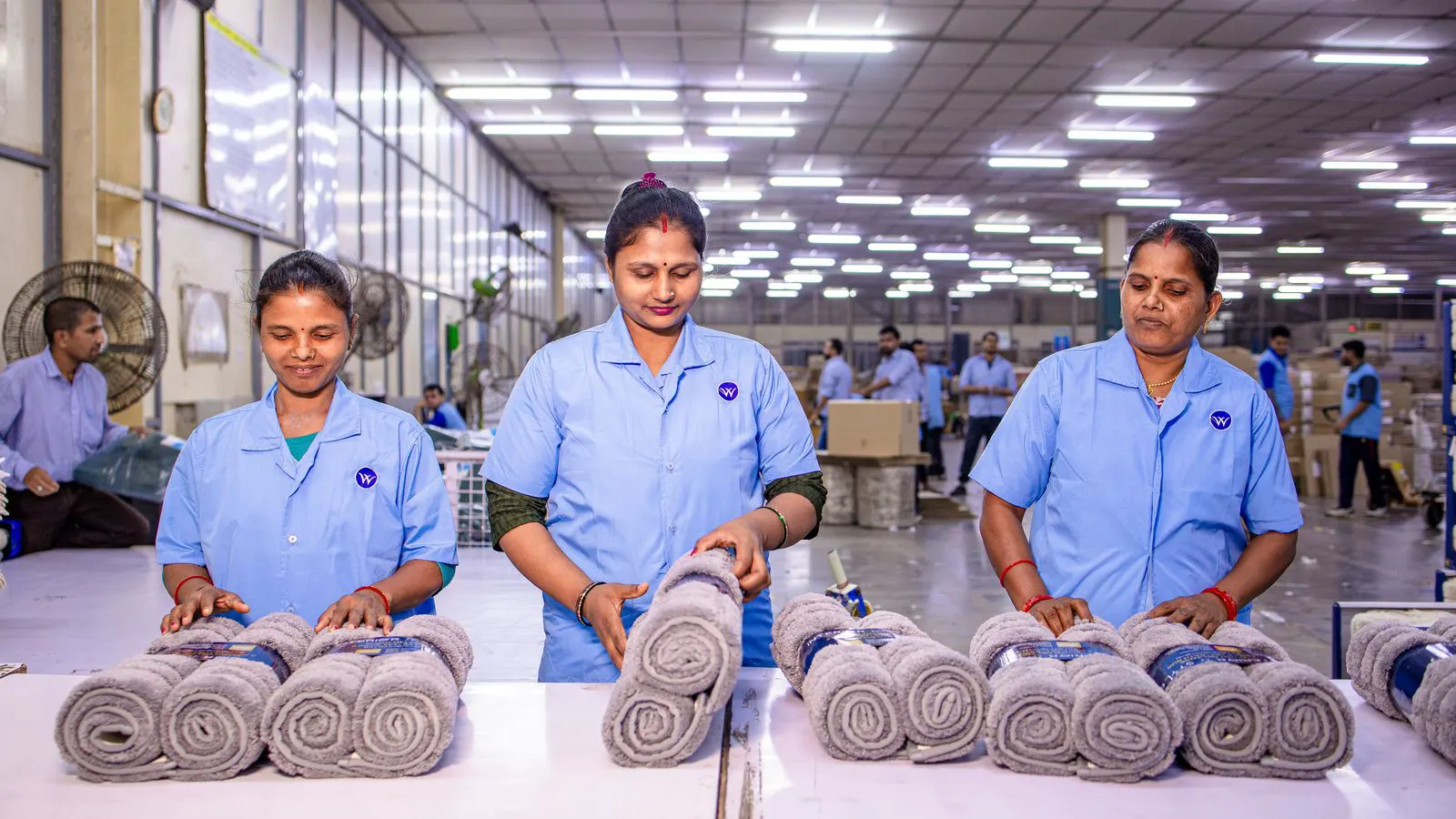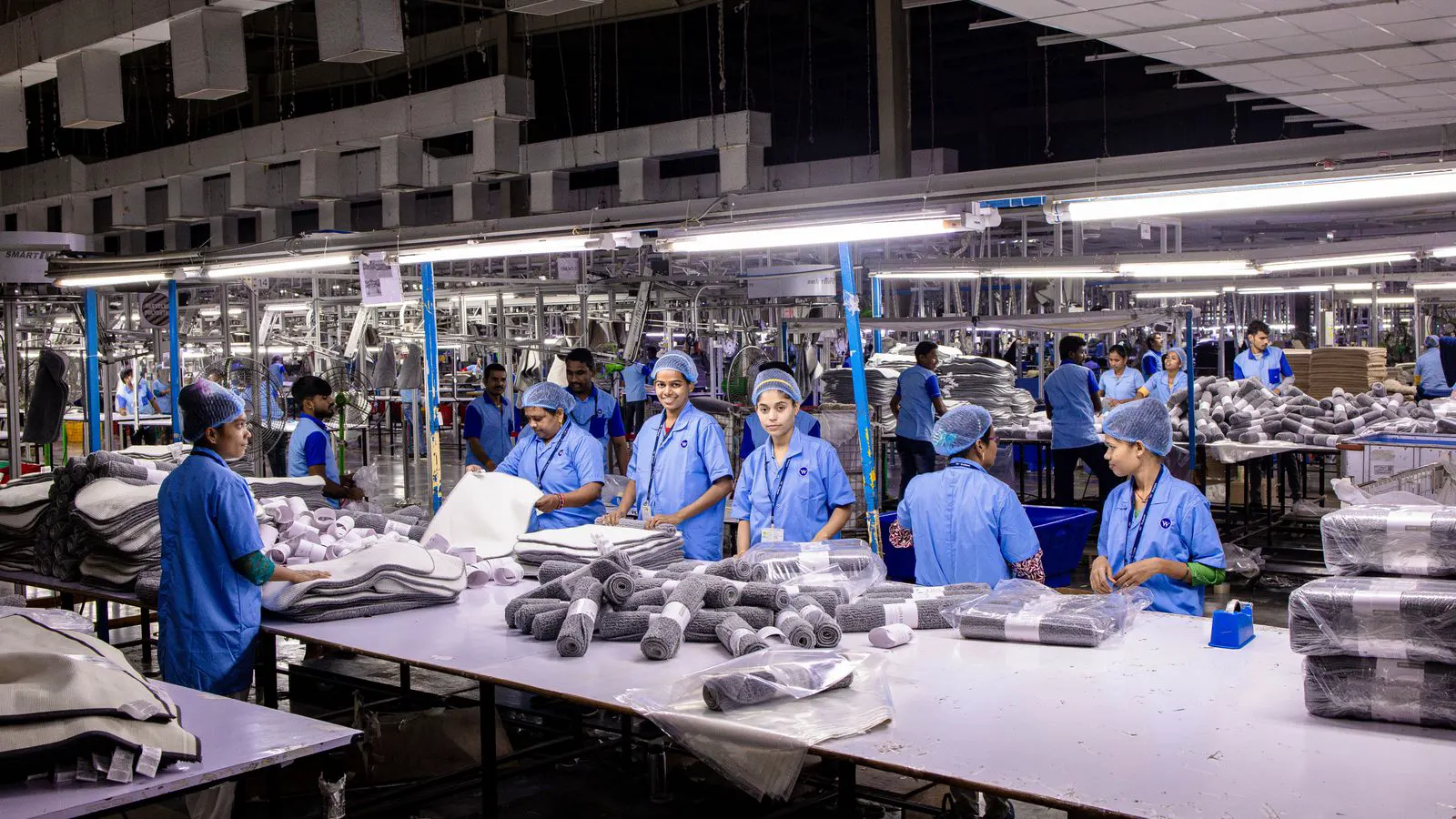
Procurement managers verify factory capacity by checking production line counts, running small test orders, and auditing labor shifts. This approach confirms a supplier can handle high-volume bag production without delays or quality issues.
- Check labor shifts and line counts to estimate true monthly output
- Run small test orders to validate capacity claims before bulk commitments
- Use factory audits to verify staffing, tools, and material flow
- Track bottlenecks like cutting, stitching, and packing in real time
- Compare quoted lead times against actual line throughput rates
Why capacity claims often fail in high-volume bag production
Procurement managers face a common problem when sourcing bags at scale. Suppliers quote capacity based on ideal conditions, but actual output depends on staffing, material flow, and line discipline. A factory may claim it can produce a large monthly volume, yet delays appear when one workstation slows down or a material lot arrives late.
Capacity is not just a number on a brochure. It is the intersection of people, machines, and process control. For a bag factory, this means counting active production lines, checking shift patterns, and observing how materials move from cutting to stitching to final packing.
When order volumes are high, even small gaps between quoted and actual capacity create risk. Delays in tooling, fabric supply, or labor can compound quickly. The result is missed shipment dates and pressure on downstream retail or wholesale partners.
How to measure true production line output
The first step is to understand what a production line actually contributes. A bag line may include cutting, assembly, quality checks, and packing. Each stage has its own rate. The slowest stage sets the line’s real output, not the fastest one.
For example, a stitching station may handle a large number of pieces per hour, but if the cutting area runs short of fabric, the line idles. Similarly, if packing stations lack enough staff, finished bags pile up and throughput drops.
To measure line output, count the number of active stations per shift. Multiply by the number of shifts and working days per month. Then apply a realistic efficiency factor based on observed downtime. This gives a baseline for what the factory can produce under normal conditions.
If the factory runs multiple lines, compare their setups. Not all lines are identical. A line built for lightweight travel totes may not perform the same as one built for heavy-duty duffels or structured briefcases. The bag type matters. The complexity of the design matters. The number of colorways and size variants matters.
A useful check is to ask for the factory’s last three months of production records. These documents should show line names, shift hours, and output counts. If the factory cannot provide them, treat the capacity claim with caution.
How factory audits reveal capacity gaps
A factory audit is more than a walkthrough. It is a structured review of staffing, tools, and process flow. During an audit, observers check whether the labor force matches the line setup. They look for idle stations, overloaded workstations, and missing quality checks.
In a bag factory, common audit points include:
- Number of operators per line and per shift
- Availability of spare tools and backup workstations
- Material staging areas for cutting and assembly
- Quality inspection points before and after stitching
- Packing area capacity and labeling systems
An audit can reveal whether a line is staffed for one shift or two. It can show whether the factory has enough skilled cutters to keep assembly fed with consistent panels. It can also expose whether quality checks are done at every stage or only at the end.
When auditing for high-volume production, focus on the flow of materials. If fabric rolls are stored far from cutting stations, transport time adds to cycle time. If finished bags are packed in a small area, workers may crowd and slow down. These small friction points add up over thousands of units.
A strong audit report will note specific observations, not just general impressions. For example, it may state that the stitching line has six operators per shift but only four are trained on the main model. That gap directly affects output and consistency.
How to use small test orders to verify capacity
Test orders are one of the most practical ways to confirm capacity. A small batch, often a few hundred units, allows the factory to run through the full production cycle without the pressure of a large order.
During the test, track the actual lead time from order to finished goods. Compare it against the quoted lead time. If the test order takes longer, the gap likely reflects real bottlenecks. If it finishes early, the factory may have room to scale.
A test order also reveals quality consistency. If stitching variation, color matching, or hardware fitting issues appear, the factory may need more time or training before a large run. This is better to discover now than after a bulk shipment.
When planning a test order, keep the design close to the target production model. If the final product uses a specific fabric, zipper, or clasp, include those in the test. This ensures the factory works with the same materials and processes that will be used at scale.
After the test, review the production data. Ask the factory to share line output reports, labor hours, and quality check records. These documents help confirm whether the capacity claim matches reality.
How to compare capacity across multiple suppliers
When sourcing from several factories, it is useful to standardize the comparison. Create a simple scorecard for each supplier. Include capacity, lead time, labor setup, and audit findings.
A useful comparison table looks like this:
| Factor | What to check | Why it matters |
|---|---|---|
| Line count | Number of active assembly lines | Sets the maximum output ceiling |
| Shift pattern | One shift, two shifts, or three | Multiplies daily output |
| Labor staffing | Operators per line and per shift | Affects throughput and consistency |
| Material flow | Distance and staging for fabric and parts | Reduces idle time and bottlenecks |
| Quality checks | Inspection points and rework rates | Protects output from defects |
| Test order result | Actual lead time and quality notes | Validates capacity claims |
This table helps buyers move beyond marketing numbers. It focuses on the operational factors that drive real production. A factory with more lines but poor material flow may outperform a factory with fewer lines and strong workflow.
When comparing suppliers, also review their experience with similar bag types. A factory that has produced structured briefcases may not be ideal for soft travel totes. The construction methods differ. The tooling and labor skills differ. Capacity is not just about volume. It is about the right volume for the right product.
How to manage capacity risk during scale-up
Even after verification, capacity risk remains. Demand can shift, material suppliers can delay, or labor availability can change. To manage this, build flexibility into the sourcing plan.
One approach is to split the order across multiple lines or multiple suppliers. This reduces the impact of a single failure. If one line slows down, another can pick up part of the volume. If one supplier has a material delay, another can continue.
Another approach is to build buffer time into the lead time. If the factory quotes a lead time based on ideal conditions, add a margin for variability. This buffer is especially useful for seasonal peaks or first-time production runs.
Regular check-ins during production help catch issues early. Request weekly updates on line output, material availability, and quality results. If a line is running below expected output, the factory can adjust staffing or reassign work before the delay becomes critical.
For high-volume bag production, capacity verification is an ongoing process, not a one-time check. The factory’s ability to maintain output over months depends on consistent management, trained staff, and reliable material supply.
How to document capacity verification for future orders
Keeping records of capacity verification helps with future sourcing decisions. Store audit reports, test order results, and production data in a shared file. This creates a baseline for comparison when reordering or scaling up.
If capacity changes over time, update the records. A factory may add a line, hire more staff, or change shift patterns. The documentation should reflect these changes.
For procurement teams, a simple capacity log can include the supplier name, date of audit, line count, shift pattern, test order lead time, and notes on bottlenecks. This log makes it easier to compare suppliers and track performance over time.
When capacity is well documented, buyers can make faster decisions. They can identify which suppliers have proven track records and which require closer monitoring. The goal is to reduce guesswork and build confidence in the supply chain.
Frequently asked questions
How do I know if a factory's capacity claim is realistic?
Check labor shifts, line counts, and material flow during a factory audit. Run a small test order to see if the actual lead time matches the quoted time.
What is the best way to verify production line output?
Count active stations per shift, apply a realistic efficiency factor, and track output over a full production cycle. Compare the result against the factory's claimed monthly volume.
How long should a test order run for capacity verification?
A small test order, often a few hundred units, is enough to validate the full production cycle. Review the lead time, quality results, and line data after the test.
What should I include in a factory audit for capacity checks?
Include staffing levels, shift patterns, material staging, quality inspection points, and packing area layout. These factors directly affect throughput.
How do I compare capacity across multiple bag factories?
Use a scorecard that includes line count, shift pattern, labor staffing, material flow, quality checks, and test order results. This standardizes the comparison and highlights operational differences.