Select the right fabric weight for tote bags by matching thread count and coating type to the expected load. Heavier loads require denser cotton or polyester blends, while lighter use cases benefit from thinner, flexible materials.
- Match thread count to the maximum load expected during the product's life.
- Heavier fabrics resist abrasion but increase shipping costs and bag weight.
- Coatings protect fabric but may reduce breathability or alter the feel.
- Always test samples under real-world conditions before committing to a production run.
- Coordinate fabric thickness with handle and base reinforcement requirements.
The fabric weight for tote bags determines how the product performs under load, how it handles wear, and what the final unit costs. A bag built for a daily commuter needs different materials than one designed for a single-use retail handout. Choosing the wrong weight leads to sagging handles, fabric tearing at stress points, or shipping costs that erode margins.
What does fabric weight mean in textile terms?
Fabric weight is measured in grams per square meter (GSM). It quantifies the mass of a one-square-meter area of cloth. A 100 GSM fabric is light and drapes easily, making it suitable for small pouches or delicate items. A 300 GSM canvas feels stiff and holds its shape, providing structure for heavier loads. For tote bags, the most common range sits between 120 GSM and 450 GSM, though specific applications may fall outside this window.
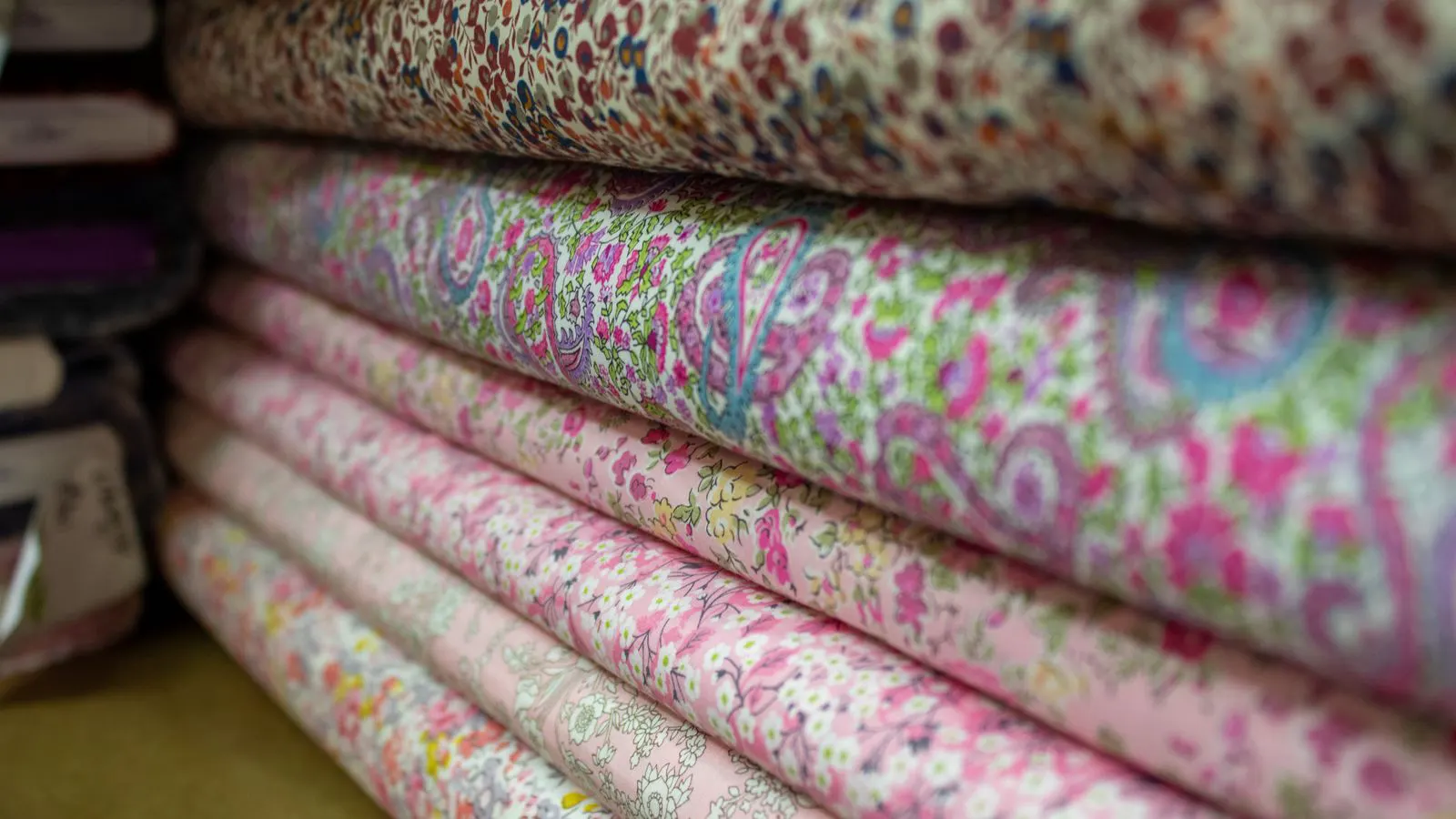
Cotton canvas is the standard for mid-weight totes. It offers a natural hand feel and accepts dye well. Polyester and nylon appear in lighter styles or when water resistance is a priority. These synthetics resist moisture and resist staining, but they can feel less premium in the hand. Blends mix natural fibers with synthetics to balance cost, feel, and durability. For example, a cotton-polyester blend might use cotton for the face of the bag and polyester for the back, optimizing both aesthetics and water resistance without doubling the cost of a full synthetic shell.
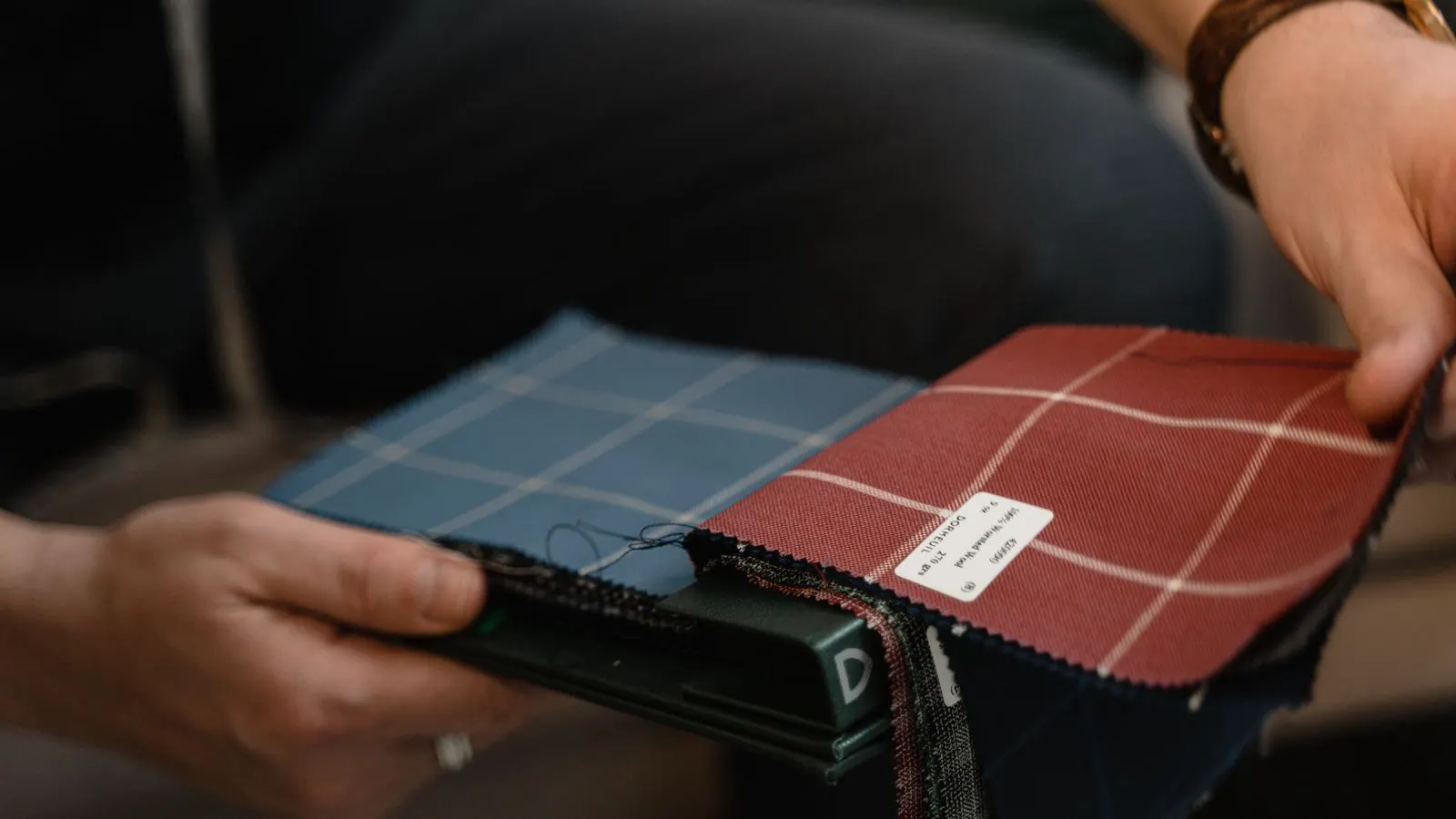
When specifying fabric, the GSM number is only part of the story. The weave density and thread count influence how the fabric behaves. A tightly woven 200 GSM canvas feels sturdier than a loosely woven 250 GSM fabric, even though the latter is heavier. Always request a physical sample to evaluate the hand feel, the drape, and the resistance to tearing.
How does load capacity affect thickness selection?
The heaviest items a tote must carry set the floor for fabric strength. A bag holding three kilograms of groceries requires different tensile strength than one holding twenty kilograms of tools. The load capacity is not just about weight; it is about how that weight is distributed and how the bag is used over time.
Thin fabrics stretch under load. The weave opens up, the bag widens at the base, and the handles bear extra strain. This deformation happens because the threads are pulled apart by the force of the contents. Thicker fabrics resist this deformation. They maintain a square profile even when full, which is critical for bags that need to stack or be stored in tight spaces.
Consider the fill density. A bag carrying books has concentrated weight. The weight is heavy and dense, pressing down on the bottom panel and the handle attachments. A bag carrying soft goods, like sweaters or towels, distributes weight evenly across the surface. Dense loads demand higher GSM fabrics to prevent the bottom panel from bulging or the stitching from tearing. A 150 GSM fabric might handle a light load of soft items, but it will likely fail under the weight of books or hardware.
Also consider the frequency of use. A bag used once a week for a single trip to the store can tolerate lighter materials than a bag used daily for commuting with a laptop and a water bottle. Daily use subjects the fabric to repeated flexing, which weakens the fibers over time. This fatigue accelerates the failure of thin materials, leading to holes and loose threads.
When should you add a coating?
Coatings change how a fabric behaves. PU coating adds water resistance and a smooth finish. It creates a barrier that prevents liquid from penetrating the weave. PVC coating increases rigidity and chemical resistance. It is often used in industrial bags where the material must withstand harsh cleaning agents or abrasion. Neither is necessary for a lightweight promotional tote that will be used for a few days and then discarded.
Coatings increase fabric weight slightly. They can make the material less breathable. They may also affect how the fabric folds. If the bag will be stored flat in a drawer, a stiff coated fabric may crease permanently. If it will hang in a closet, stiffness is less of a concern. For a commuter bag that is often shoved into a backpack or a car trunk, a flexible coating is preferable to a rigid one.
For wet environments, a coated polyester or PU-coated canvas prevents liquid from soaking through. This is essential for bags intended for outdoor use or for carrying items that are likely to get wet. For dry storage, uncoated cotton canvas often performs better because it absorbs moisture rather than trapping it against the surface. Trapped moisture can lead to mold and odor, especially if the bag is not allowed to dry out completely.
When choosing a coating, consider the cleaning method. Coated fabrics are easier to wipe clean but may not accept traditional laundry washing. Uncoated cotton can be washed and dried, but it may shrink or fade over time. The choice of coating must align with the care instructions provided to the end user.
What happens when the fabric is too heavy?
Excess weight creates its own problems. A 400 GSM cotton canvas is durable, but it adds mass to every unit. Shipping costs rise because the bag is heavier. The bag feels cumbersome in the hand, making it less convenient for everyday use. The handles must be reinforced to support the fabric itself, not just the contents. This increases the cost of the hardware and the labor required for attachment.
Heavy fabric also changes the silhouette. It stands up on its own without support. This can be desirable for a structured bag, but undesirable for a casual shopper who wants a bag that folds flat. The material may not fold neatly, creating a bulky package when empty. This makes it difficult to store in a small space and increases the volume of the product for shipping.
If the target customer values portability, heavy fabric fights that need. A 180 GSM to 240 GSM blend often finds the middle ground. It holds shape without feeling like a rigid tote. It is light enough to carry empty but strong enough to hold a reasonable load. For bags that will be carried on the shoulder or in a hand, the weight of the empty bag is a significant factor in user satisfaction. A bag that is too heavy will not be used as often, which defeats the purpose of a tote.
How do handle and base requirements change the fabric choice?
The fabric at the stress points must match the rest of the bag. If the body uses 220 GSM canvas, the handles should not be 120 GSM polyester webbing. The mismatch creates a weak link. The handle fails before the body does. This is a common failure mode in poorly designed totes. The body remains intact, but the handles tear away, rendering the bag unusable.
Base panels often take the most impact. A bag set on a rough floor needs a reinforced bottom. You can use a thicker fabric for the base panel while keeping the sides lighter. This saves cost and weight where the material is not under tension. For example, a tote might use 200 GSM fabric for the sides and 300 GSM fabric for the base. This approach ensures that the area most likely to wear out is the strongest part of the bag.
Handles require high tensile strength. Webbing or double-layered fabric works best. The attachment method matters as much as the material. Stitching through a thick fabric requires a heavy needle and a strong thread. If the fabric is too thick, the stitching may skip or tear. This is why handle attachments should be tested for load capacity. A standard single stitch may not be sufficient for a heavy bag. Double stitching or box stitching is often required to distribute the load across a larger area of the fabric.
How do cost and sustainability affect the decision?
Heavier fabric costs more per square meter. It also increases raw material usage. If the bag is a low-cost item, 350 GSM cotton may be unaffordable. A 160 GSM polyester or cotton blend keeps the price point while meeting basic durability. The cost of fabric is only one part of the total unit cost. Labor costs for stitching heavier fabric are also higher. Thicker fabric takes longer to cut and sew, which increases production time and labor costs.
Sustainability considerations often push buyers toward natural fibers. Cotton and hemp absorb dyes well and degrade less aggressively than synthetics. However, they are heavier and require more water to process. Recycled polyester is lighter and durable, but it sheds microplastics over time. The choice of fiber must balance environmental impact with performance. A buyer should look for certifications that verify the origin and processing of the materials. This helps ensure that the sustainability claims are accurate and verifiable.
The right choice balances these factors. A mid-weight recycled cotton blend offers a balance of cost, environmental impact, and performance. A buyer should not default to the heaviest material just because it feels premium. The best fabric is the one that fits the intended use. Over-specifying materials leads to waste and unnecessary cost. Under-specifying leads to product failure and customer dissatisfaction.
| Criterion | What to look for | Why it matters |
|---|---|---|
| Thread Count | 220 GSM to 350 GSM for standard use | Matches typical daily loads without excessive weight |
| Fiber Type | Cotton, polyester, or blend | Determines feel, water resistance, and cost |
| Coating Type | PU, PVC, or uncoated | Controls water resistance and flexibility |
| Load Capacity | Matches the heaviest expected item | Prevents sagging and handle failure |
| Base Reinforcement | Extra layer or thicker fabric at bottom | Protects against abrasion from rough surfaces |
| Handle Material | Double-stitched webbing or thick canvas | Supports the full weight of the bag and contents |
What is the decision checklist for final selection?
- Define the maximum load. Write down the heaviest item the bag will hold. This is the starting point for all material decisions.
- Select the base GSM. Match the weight to the load. Add 10 to 20 percent if the bag will be used aggressively. This buffer accounts for wear and tear over time.
- Choose the fiber. Pick cotton for natural feel, polyester for water resistance, or a blend for balance. Consider the durability and environmental impact of the fiber.
- Decide on coating. Apply PU or PVC only if moisture or chemical resistance is required. Avoid coatings if the bag will be washed frequently or stored in a humid environment.
- Check the handles. Ensure they are rated for the total weight. Test the handle attachments with a load that exceeds the maximum expected weight.
- Test the base. Confirm it resists abrasion and holds shape. Rub the base against a rough surface to check for wear. Drop the bag from a low height to check for impact damage.
- Review the cost. Confirm the fabric weight does not break the unit price. Calculate the total cost of materials, labor, and shipping.
- Approve the sample. Test the full bag under load before production. This ensures that the materials and construction meet the required standards.
Common mistakes in tote bag material selection
Buyers often select fabric based on how it looks on a swatch. A bright color or a smooth finish does not tell you how the bag will hold twenty kilograms of items. Visual appeal is the last factor to consider. The function of the bag must come first. If the fabric is too thin or too weak, the bag will fail regardless of how it looks.
Another mistake is ignoring the base. A beautiful top panel fails if the bottom tears after a few drops on the floor. Reinforce the base early. Do not wait until the bag is in production to realize that the bottom is too thin. The base is the most critical part of the bag for durability. It takes the brunt of the wear and tear.
Finally, do not mix materials without testing. A cotton body with nylon handles may feel inconsistent. The cotton stretches, the nylon does not. The stress points shift. The bag may twist or distort under load. Test the combination under load. Check the stitching and the attachment points. Ensure that the materials work together and do not create new failure modes.
The fabric weight for tote bags is not a single number. It is a system. The body, handles, base, and coating must work together. When they align, the bag performs as intended. When they do not, the product fails in the field. Test the sample. Load it. Drop it. Check the stitching. Then decide.
Frequently asked questions
What is the ideal fabric weight for a daily commuter tote?
A range of 200 GSM to 300 GSM works well. This provides enough strength for books and a laptop while remaining flexible.
Can a lightweight tote hold heavy items?
A lightweight tote can hold heavy items if the handles and base are reinforced. The body fabric may stretch, but the structure holds if the stress points are strong.
Is 450 GSM canvas too heavy for a handbag?
Yes, 450 GSM is very heavy. It is better suited for work totes or tool bags. For a handbag, 150 GSM to 250 GSM is more appropriate.
How do I test if a fabric is strong enough?
Hang the sample from the handles with the maximum expected load. Leave it for twenty minutes. Check for stretching and handle slippage.
Does a coating make the fabric stronger?
A coating adds surface protection but does not significantly increase tensile strength. Strength comes from the fiber and thread count.