This guide provides a framework for selecting industrial sewing machines based on specific construction methods and production demands. It covers machine selection, equipment sourcing, and practical criteria for evaluating suppliers. Buyers can use these standards to match equipment to high-load bag types.
- Match machine capability to specific construction methods such as bar tacks and heavy zippers.
- Evaluate thread tension systems and presser foot pressure for thick, multi-layer materials.
- Verify service support and spare parts availability before finalizing any equipment sourcing contract.
- Use test runs with actual production materials to validate stitch quality and machine consistency.
Industrial Sewing Machine Selection for Heavy Bag and Luggage Production
Luggage production demands more than a standard sewing line. The materials are thick, the loads are heavy, and the construction methods must withstand years of daily use. Selecting the right industrial sewing machines requires moving beyond general specifications and focusing on the physical demands of the final product. This guide outlines how to evaluate equipment providers and choose machines that fit specific bag types.
What are the primary construction methods for heavy bags?
Understanding the construction methods dictates the machine requirements. High-load bags often rely on bar tack stitching at stress points like handle attachments and base corners. Bar tack machines create a dense, rectangular pattern of stitching that locks the webbing or leather tab to the body of the bag. The needle moves forward and back in a short stroke, placing dozens of stitches in a small area. This density is necessary because handle points experience constant pulling forces during normal use. If the bar tack is too sparse, the attachment point will tear or the webbing will slide out over time.
Flatlock stitching is common for seams that need to lie flat and resist unraveling. Unlike a standard lockstitch, a flatlock uses multiple needles and a loop thread to create a flat, interlocked seam. This construction is frequent on base seams and side panels of duffel bags and suitcases where the material layers are thick. The flat profile prevents the seam from catching on other materials or wearing down against the user. It also provides better coverage of the fabric edges, which helps prevent fraying in high-wear areas.
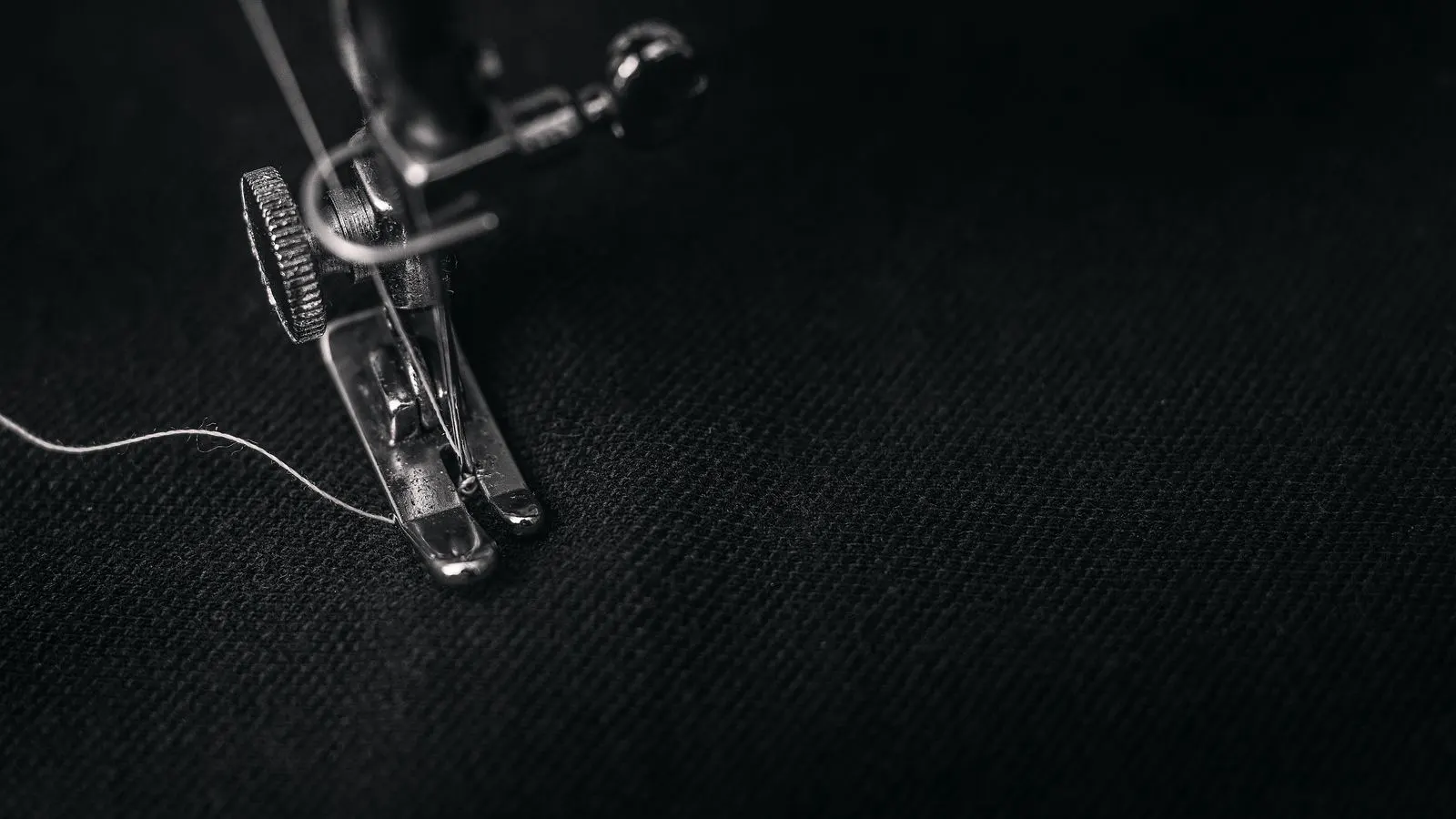
Heavy zippers require machines with reinforced needle plates and specific presser foot attachments to handle multiple layers of fabric and the zipper teeth. Standard lockstitch machines can struggle when the needle must penetrate the zipper slider or the thick zipper tape. Specialized zipper foot attachments allow the needle to pass through the teeth with precision. The needle plate must have a slot wide enough to accommodate the zipper while maintaining stability for the fabric. If the plate is too narrow, the fabric may shift, leading to uneven stitching. If the plate is too wide, the fabric may not be supported properly, causing the needle to bend or break.
Each method places different stresses on the machine. A machine designed for light synthetic fabrics may struggle with the friction of thick leather or dense canvas. The needle must push through several layers of dense material while the feed dogs move the fabric forward. This creates significant mechanical stress on the needle bar and the feed mechanism. Buyers should map every construction method in the product line to a specific machine type. This prevents over-buying general purpose machines that cannot handle specialized tasks. Assigning a dedicated bar tack machine for handle points and a flatlock machine for base seams ensures that each unit is optimized for its specific duty cycle.
How does machine selection match specific bag types?
Different bag types require different machine configurations. A technical backpack uses multiple layers of ripstop nylon, webbing, and hardware. The main body might consist of a heavy-duty outer shell, a waterproof membrane, and a padding layer. The needle must penetrate these layers repeatedly. The machine needs a high-capacity thread system to handle the dense thread required for these materials. The feed system must be strong enough to move the thick fabric without slippage.
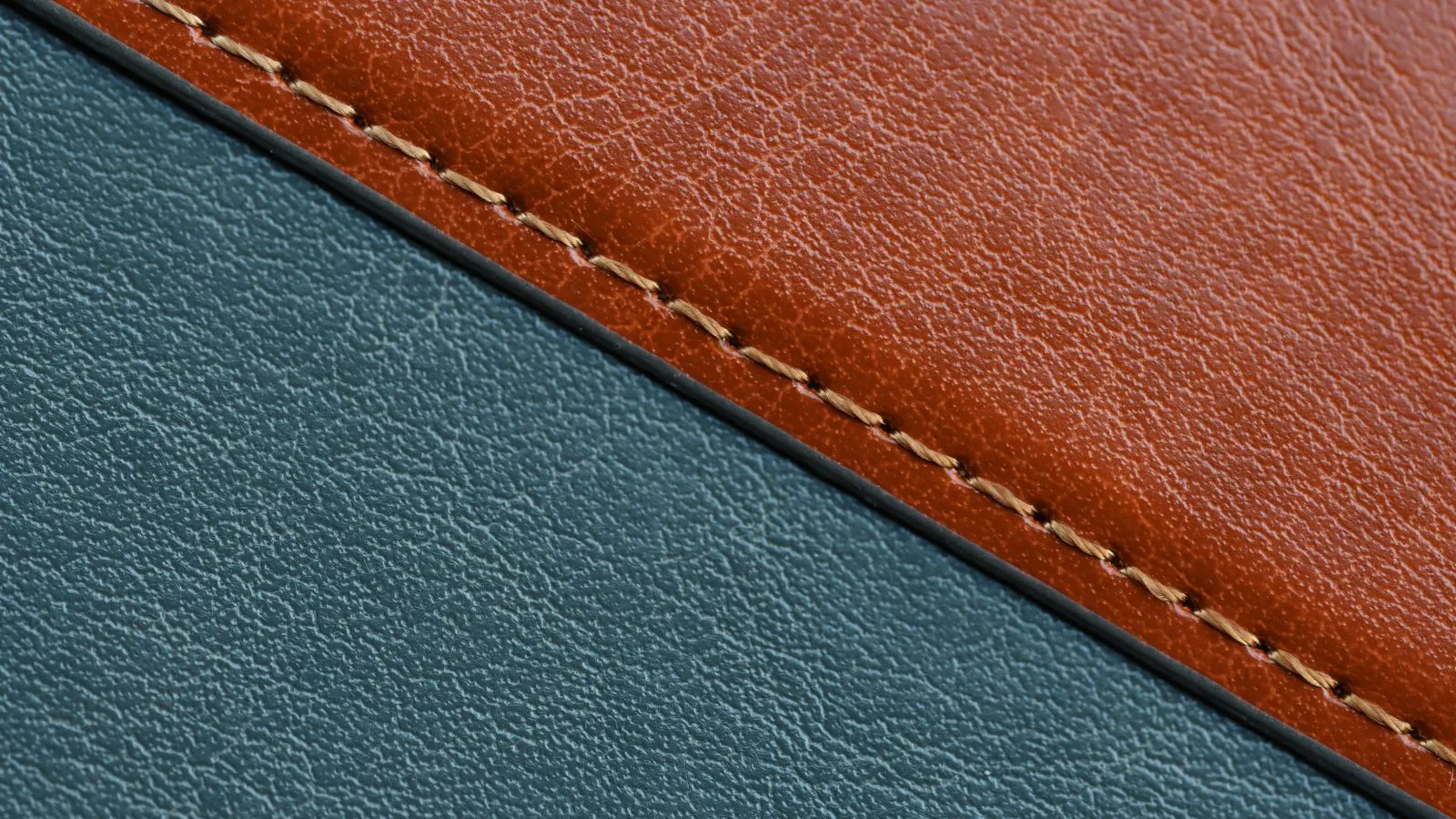
A leather handbag uses thick hides, dense thread, and precise stitch formation. Leather is a dense, non-woven material that does not stretch like fabric. It requires a machine with a sharp needle and high presser foot pressure. The stitch density must be controlled to prevent the leather from tearing. The thread must be strong enough to match the tensile strength of the leather. A machine that is too light will produce weak stitches that fail under the weight of the bag.
The machine selection must address the material thickness, stitch density, and the number of layers the needle must penetrate in a single pass. Material thickness is a primary factor. A machine rated for a maximum material thickness of 6mm may not handle the base of a large suitcase that requires stitching through 10mm of layered leather and foam. Stitch density is another key parameter. Some construction methods require a high stitch count per inch to ensure strength. The machine must be able to maintain this density at the required production speed.
Consider the needle plate. A standard machine uses a single needle plate. For heavy construction, a machine with a reinforced plate or a specialized feed system is needed to prevent skipped stitches. A reinforced plate is made from hardened steel and has a larger area to support the needle and the fabric. It distributes the pressure more evenly, reducing the risk of the needle bending. The feed system must also be capable of moving heavy materials. Standard feed dogs may slip on dense leather or canvas. A machine with a high-capacity feed system or a specialized feed foot is necessary to ensure consistent movement.
Presser foot pressure is another factor. Adjustable pressure is necessary to maintain even feed across varying material thicknesses. If the presser foot lifts too low, thick materials will not feed correctly. The fabric may bunch up or the needle may hit the plate. If the presser foot is too high, it may not clamp the fabric securely, leading to skipped stitches. The operator must be able to adjust the pressure quickly between different material sections. A machine with a pneumatic presser foot system allows for smooth, precise adjustments that are difficult to achieve with mechanical levers.
What criteria define a reliable equipment sourcing process?
Equipment sourcing is not just about purchasing the machine. It is about securing a support structure that keeps the line running. A reliable supplier provides clear documentation on thread tension settings, needle compatibility, and maintenance intervals. These documents are critical for training operators and maintaining quality. If the documentation is vague or missing, the supplier may not be prepared to support the machine effectively.
Evaluate the provider’s service network. Local service technicians reduce downtime. If the supplier relies on long distance shipping for parts, small issues can become major production losses. A broken needle bar or a faulty motor can stop a production line for days if parts are not available locally. A supplier with a local service center can dispatch a technician within hours. They can also provide emergency parts that are not available through regular channels.
Check the warranty terms. Coverage for motors, electronics, and mechanical wear is standard, but the duration and response time matter. A short warranty with fast response is often better than a long warranty with slow support. A two-year warranty with a 24-hour response time is more valuable than a five-year warranty with a two-week response time. The warranty should cover the cost of labor and parts for repairs. Some warranties only cover the parts, leaving the buyer to pay for the technician. This can significantly increase the cost of maintenance.
| Criterion | What to look for | Why it matters |
|---|---|---|
| Material Capacity | Multi-layer feed and high thread tension | Handles thick leather, canvas, and webbing without skipped stitches |
| Stitch Type | Bar tack, flatlock, and standard lockstitch capability | Ensures the right construction method for specific stress points |
| Service Support | Local technicians and fast spare parts | Minimizes downtime and keeps production on schedule |
| Ergonomics | Adjustable height and clear viewing | Reduces operator fatigue and improves long term accuracy |
| Throughput | Adjustable speed and feed consistency | Matches the required output without sacrificing stitch quality |
How should buyers test machines before purchase?
Test runs are the most effective way to validate machine performance. Bring samples of the actual production materials. This includes the main fabric, the lining, the thread, and any hardware like zippers or buckles. Do not rely on the supplier’s sample materials. The supplier may use lighter or thinner materials for the test to make the machine look better. The test must use the exact materials that will be used in production.
Run the machine through a full cycle of the intended construction methods. Start with the simplest seam, then move to the most complex. Include bar tack stitching, flatlock seams, and zipper attachment. Observe the machine’s performance at different speeds. A machine that runs well at low speed may struggle at high speed. The feed dogs may slip, or the needle may skip. The thread tension may also become unstable at high speeds.
Check the stitch formation under load. Pull on the seams to see if they hold. Inspect the back of the stitch for distortion. Look for pulled threads, uneven stitch lengths, or broken stitches. A well-formed stitch should be uniform in length and tension. The thread should not be too tight, which can pucker the fabric, or too loose, which can allow the fabric to shift.
Listen for unusual noises during operation. A smooth, consistent sound indicates proper tension and feed. An uneven sound can point to wear or incorrect setup. A clicking sound may indicate a worn needle bar. A grinding sound may indicate a problem with the feed dogs or the motor. A whirring sound may indicate a loose belt. These noises are often the first sign of a mechanical problem. They should be investigated before the machine is put into production.
Record the results. If the machine fails on the actual material, no amount of marketing will fix that. Keep a record of the test parameters, including the material type, thread type, and stitch settings. This record will be useful for future maintenance and quality control. It will also help in comparing different machines and suppliers.
What are the common mistakes in machine selection?
One common error is buying a general purpose machine for a specialized task. A machine that handles light garments may not handle the friction of thick webbing. General purpose machines are designed to handle a variety of materials and stitch types. However, they are often not optimized for any single task. A machine that is good enough for light garments may not be strong enough for heavy leather. The result is a machine that is slow, unreliable, and difficult to maintain.
Another mistake is ignoring the operator’s role. Machines that are hard to adjust or load will slow down the team. Poor ergonomics lead to fatigue, which leads to errors. The operator must be able to adjust the thread tension, the presser foot pressure, and the needle position quickly and easily. If the machine requires the operator to get out of their seat to make adjustments, the production speed will drop. The machine should be designed for the operator’s comfort and efficiency.
Ignoring the thread system is another pitfall. The thread takes up a lot of the friction in the sewing process. A machine with a poor thread path or a flimsy tension assembly will produce inconsistent stitches. Check the thread guides. They should be smooth and free of burrs. The tension discs should be clean and able to adjust in small increments. A good thread system ensures that the thread is fed evenly into the needle. This results in consistent stitch formation.
How does machine maintenance affect long term quality?
Maintenance is a direct input into quality. A machine with worn needles or dirty tension discs will produce defects. Establish a routine that includes daily cleaning, weekly lubrication, and periodic deep maintenance. Daily cleaning involves removing lint and dust from the needle plate, the feed dogs, and the thread tension discs. Weekly lubrication involves applying oil to the moving parts, such as the needle bar, the feed dogs, and the motor bearings. Periodic deep maintenance involves disassembling the machine and cleaning and inspecting all the internal components.
The machine manual should make this easy to follow. If the manual is vague or missing, that is a red flag. A good manual provides clear instructions for each maintenance task. It should include diagrams, parts lists, and torque specifications. The manual should also provide information on the recommended lubricants and their intervals. Following the manual’s recommendations ensures that the machine runs smoothly and lasts longer.
Keep a log of maintenance and issues. Tracking skipped stitches or thread breakage over time reveals patterns. If a specific machine consistently breaks thread on a certain material, it is a machine problem, not a user error. This data helps you refine your machine selection for future production runs. It also helps in identifying potential quality issues before they become major problems.
What documents should you request from the supplier?
Request the machine specification sheet. It should list the maximum material thickness, the stitch types supported, and the power requirements. The specification sheet should also include information on the machine’s dimensions, weight, and operating speed. This information is useful for planning the production floor and for ensuring that the machine fits into the existing infrastructure.
Ask for the warranty document. Read it carefully. Know what is covered and what is excluded. Check the spare parts list. Know the lead time for critical components. Some parts, such as needles and thread guides, are readily available. Other parts, such as the motor or the control board, may take weeks to order. Knowing the lead time helps in planning for potential downtime.
Also ask for references from other buyers. Contact them directly. Ask about the service experience. Did the supplier fix the issue quickly? Were the parts available? This direct feedback is often more valuable than the marketing materials. Ask about the quality of the machines. Have they experienced any defects or breakdowns? How has the supplier handled these issues?
Final decision checklist
Before signing a contract, run through this checklist.
- The machine handles the specific construction methods in your product line.
- The machine can feed the thickest material in your production run.
- The supplier offers local service and fast spare parts.
- You have run a test with actual production materials.
- The warranty terms are clear and fair.
- The machine has been inspected for stitch quality under load.
Frequently asked questions
Can a single machine handle all construction methods for a bag line?
No. Most machines are optimized for specific stitch types and material thicknesses. A machine that handles light zippers may struggle with heavy bar tacks.
How do I know if a machine is good for thick leather?
Test it with actual leather samples. Look for a reinforced needle plate, high presser foot pressure, and a strong motor. Skipped stitches on thick material indicate the machine is underpowered.
What is the difference between bar tack and flatlock stitching for bags?
Bar tack creates a dense, reinforced block of thread at a single point, ideal for handles and corners. Flatlock creates a flat seam that lies flush, which is better for longer seams and reducing bulk.
How important is the thread system in machine selection?
It is critical. The thread path and tension assembly determine stitch consistency. A poorly designed thread system will cause breakage and uneven stitches, especially on thick materials.
Should I buy from a large international brand or a local supplier?
It depends on your specific needs. Large brands may offer advanced technology, but local suppliers often provide faster service and support. Evaluate the support network as much as the machine itself.