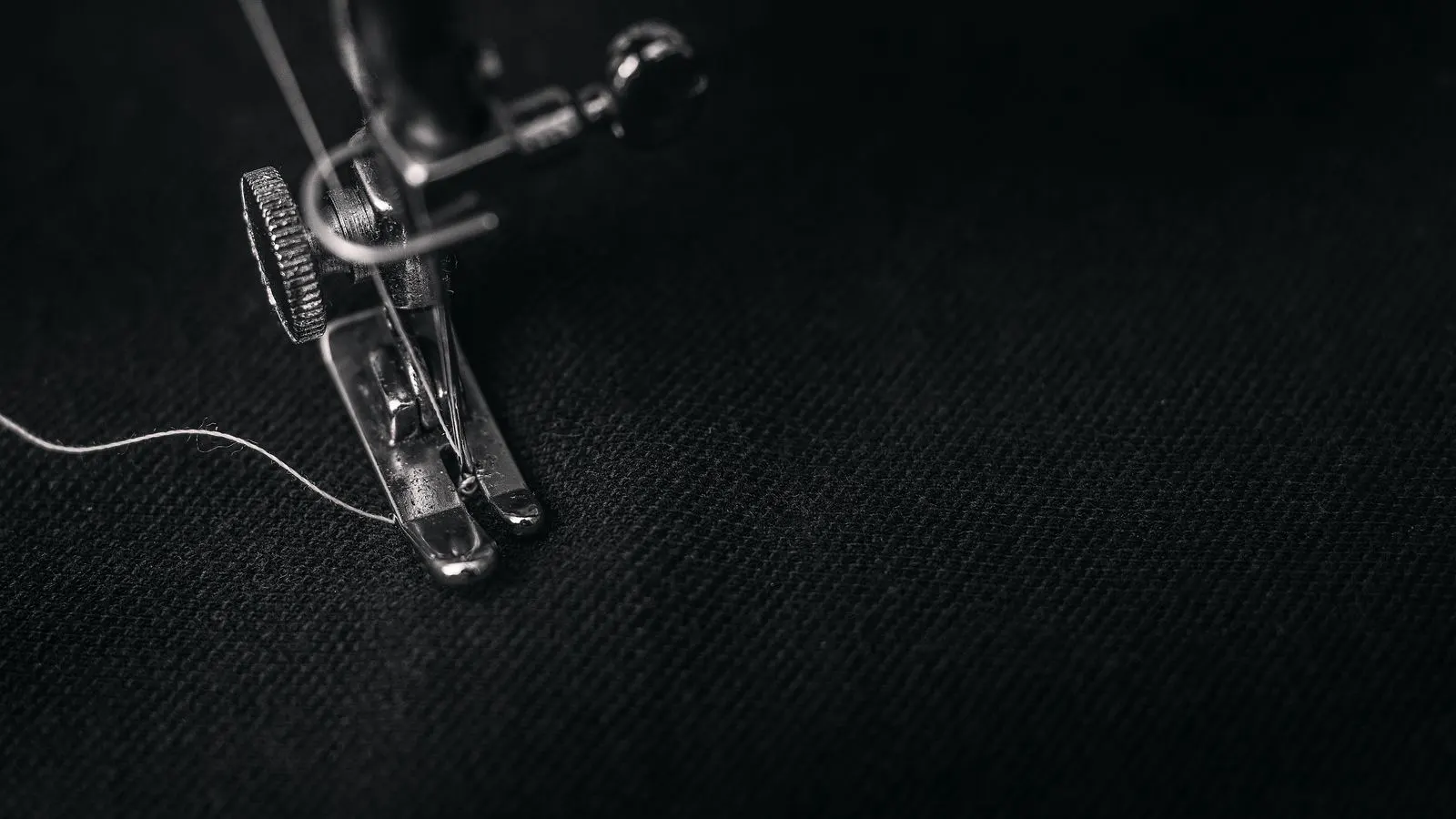
Skipped stitches and thread breakage stem from needle damage, incorrect tension, and worn machine parts. This guide lists common symptoms, likely causes, and specific fixes to help technicians maintain consistent stitching standards on the line.
- Skipped stitches usually indicate a dull needle or poor timing between the hook and needle.
- Thread breakage often results from excessive tension or debris in the machine's thread path.
- Regular machine maintenance prevents most mechanical stitching failures before they impact output.
- Consistent application of stitching standards requires documented checks for needle size and thread quality.
- Training operators to perform basic adjustments reduces downtime and improves seam strength.
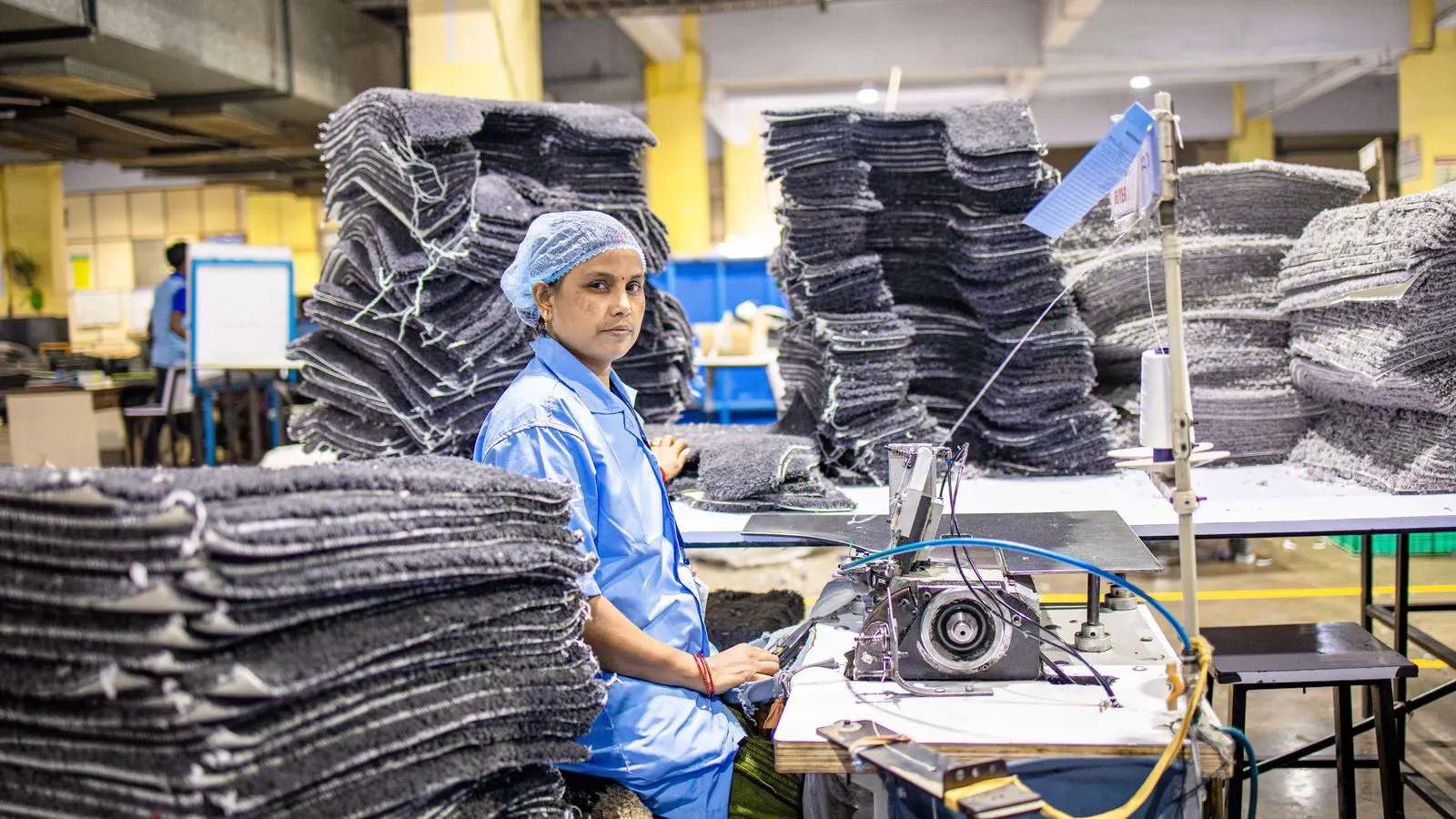
Skipped stitches and thread breakage are among the most frequent mechanical failures on a bag and luggage assembly line. These defects compromise seam strength and create visible flaws in the finished product. Technicians must identify the root cause quickly to avoid rework and material waste.
How to Identify the Specific Failure Mode
Before adjusting any machine setting, the operator must classify the defect. A skipped stitch and a broken thread often share the same origin but require different repairs.
A skipped stitch appears as a gap in the seam where the needle did not catch the loop of thread. The fabric layers may move slightly apart, or the seam may pull tight in an irregular pattern. This usually happens when the needle misses the hook, or when the needle is bent or dull.
Thread breakage manifests as a snapped strand, often accompanied by frayed ends or a small knot near the break point. The thread may snap in the needle eye, at the tension discs, or inside the machine’s thread guide. This failure is typically caused by high tension, sharp burrs, or incompatible thread types.
A consistent pattern is a key diagnostic tool. If the defect appears every few inches, the issue is likely in the timing of the hook or the rotation of the bobbin case. If the defect is random, look for debris, a worn needle plate, or inconsistent thread feed.
Common Causes of Mechanical Stitching Failures
Understanding the mechanical interaction between the needle, hook, and thread is critical for accurate diagnosis.
- Needle Condition: A bent, bent, or dull needle will fail to penetrate the fabric cleanly. It may also fail to create a proper loop for the hook. Always replace needles after a set number of hours or when visible damage appears.
- Timing Alignment: The needle and the hook must pass each other at the precise moment the thread loop is formed. If the machine has been dropped or subjected to a hard impact, the timing may shift. This causes skipped stitches even with a new needle.
- Thread Tension: If the upper thread tension is too high, the thread may snap under stress. If the lower tension is too loose, the seam may pucker. Correct tension creates a balanced seam where the thread locks inside the fabric layers.
- Thread Quality: Cheap or inconsistent thread can break easily. It may have weak core fibers or uneven diameter. High-quality thread is a baseline requirement for meeting stitching standards.
- Machine Debris: Lint and fabric fibers accumulate in the hook race and the thread path. This debris increases friction and can cause thread to snap or the hook to miss the loop.
Troubleshooting Table for Common Symptoms
Use this table to match observed defects with likely mechanical causes and corrective actions.
| Symptom | Likely cause | What to do |
|---|---|---|
| Skipped stitches in a regular interval | Needle timing is off or needle is bent | Check timing alignment. Replace the needle. |
| Skipped stitches on thick materials | Needle size is too small or dull | Use a needle sized for the fabric weight. Replace if dull. |
| Thread breaks at the needle eye | Needle eye is rough or thread is too thick | Replace the needle. Check thread diameter against needle size. |
| Thread breaks near the tension discs | Tension is set too high | Reduce upper tension. Clean tension discs. |
| Thread breaks inside the machine | Debris in the thread path or burrs in the plate | Clean the hook race. Check the needle plate for burrs. |
| Seam puckering | Lower tension is too tight | Adjust bobbin tension slightly. Check bobbin case for damage. |
Adjusting Thread Tension for Consistent Output
Thread tension is the most frequently adjusted setting, yet it is often adjusted incorrectly. The goal of tension is not to pull the thread tight. The goal is to create a balanced lock inside the fabric.
Start by ensuring the machine is threaded correctly. Follow the manufacturer’s threading diagram exactly. A skipped thread guide can cause tension imbalance even if the dial setting is correct.
Test the tension on a scrap of the same material you are producing. Stitch a straight line for about ten seconds. Examine the seam. The thread should appear flat and even on both the top and bottom of the fabric.
If the top thread is visible on the bottom, the upper tension is too loose. If the bottom thread is visible on top, the lower tension is too tight. Adjust in small increments. Turn the tension dial in quarter-turns. Re-test after each adjustment.
Do not over-tighten the tension. Excessive tension weakens the thread and can cause breakage, especially on synthetic materials that have less elasticity than cotton. For heavy canvas or technical fabrics, use a needle that matches the fabric weight. A small needle on heavy fabric creates a hole that the thread may tear through.
Needle Selection and Replacement Practices
The needle is the most exposed part of the machine. It takes the brunt of the mechanical stress.
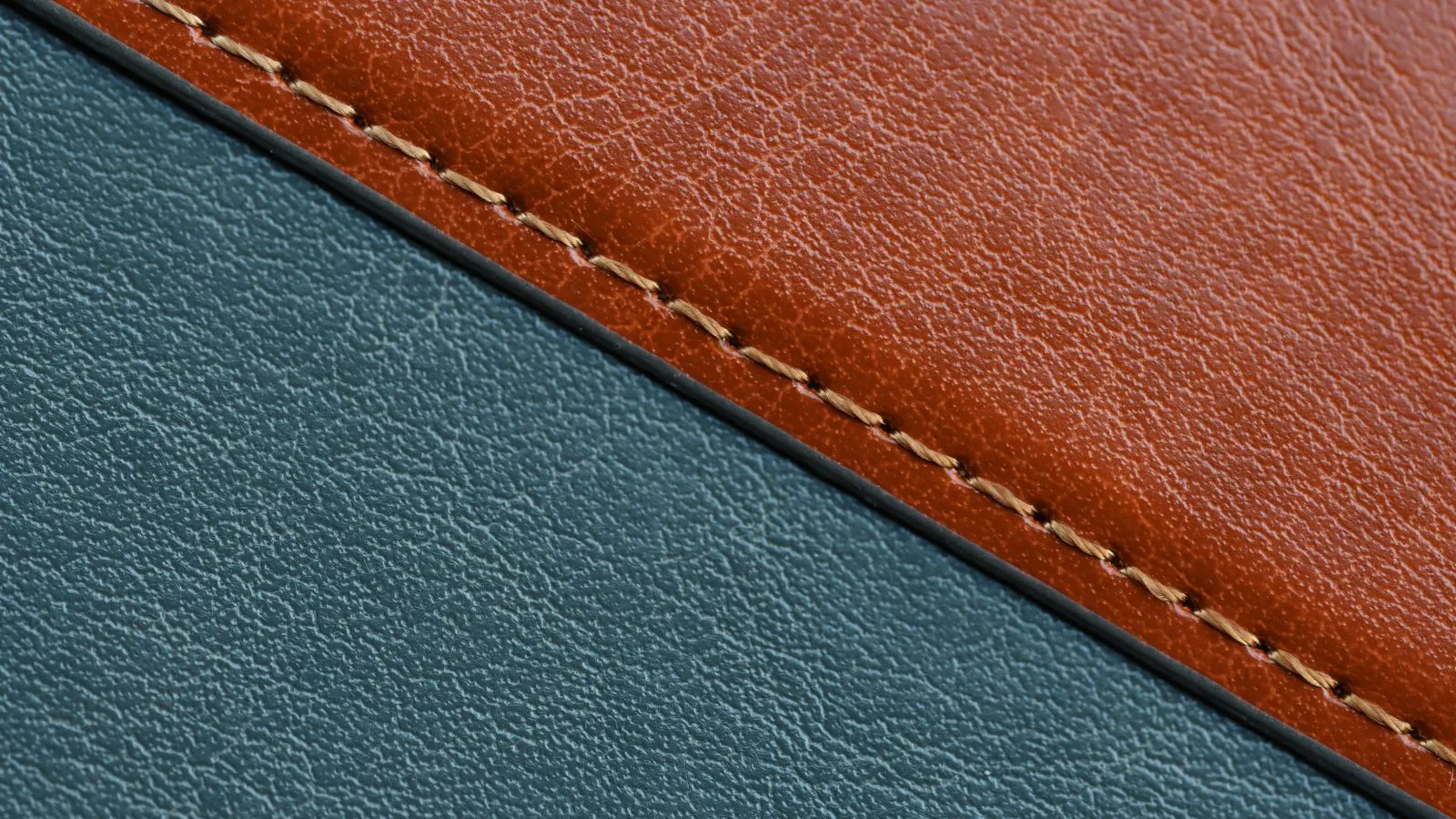
Match the needle type to the fabric. Universal needles work for general purpose sews. Jeans or heavy fabric needles have a sharper point and a larger eye. For leather or thick technical fabrics, use a needle designed for dense materials.
Replace needles on a regular schedule. In high-volume production, a needle may need replacement every few hundred hours. If a needle shows any bending or dullness, replace it immediately. A dull needle increases friction, which generates heat. That heat can damage the thread and the fabric.
Check the needle plate. The plate holds the needle. If the surface is scratched or has burrs, it can catch the thread. A rough plate causes thread breakage and skipped stitches. Replace or polish the plate if damage is visible.
Preventing Recurring Stitching Failures
Prevention is cheaper and faster than troubleshooting. A structured maintenance routine keeps machines running within stitching standards.
- Daily Cleaning: At the start of each shift, remove the needle plate and clean the hook area. Use a brush to remove lint. Check the thread path for snags.
- Needle Inspection: Before starting a new run, inspect the needle for damage. Replace it if any part of the shank is bent.
- Tension Check: Run a tension test on a scrap of production fabric. Verify that the balance is correct.
- Thread Inspection: Check the thread for nicks or weak spots before threading the machine.
- Machine Alignment: Perform a full timing check periodically. This is a more complex task that may require a specialist, but it prevents major breakdowns.
Documentation is key. Keep a log for each machine. Record the date of needle changes, tension settings, and any repairs. This log helps identify patterns. If a machine consistently skips stitches, the log may reveal that the hook is wearing out.
Operator training is another layer of prevention. Operators should know the signs of a failing needle and how to adjust tension. A quick adjustment can prevent a whole shift of defective seams.
Impact of Defects on Finished Product Quality
Stitching failures are not just cosmetic. They affect the structural integrity of the bag. A skipped stitch weakens the seam. Under load, the seam may separate. This is a critical issue for luggage and heavy bags.
When a seam fails, the entire unit may need to be repaired. In some cases, it must be scrapped. This increases labor costs and reduces throughput. The cost of rework often exceeds the cost of preventive maintenance.
For high-load bags, bar tacks and flatlock stitches are common. These stitches are designed to handle stress. If the machine producing them is out of adjustment, the resulting stitch is weak. The bar tack may not hold the fabric layers together properly. The flatlock seam may not distribute the load evenly.
Inspection at the end of the line is necessary, but it is not a substitute for machine control. Catching a defect after assembly is more expensive than catching it during the stitching process.
When to Call for Specialist Service
Some issues are beyond the scope of routine operator maintenance. If the timing of the machine is off, or if the hook assembly is damaged, a specialist is required.
Signs that specialist service is needed include:
- Skipped stitches that persist after replacing the needle and cleaning the machine.
- Visible damage to the needle plate or hook race.
- Unusual noises during operation, such as grinding or clicking.
- Thread breakage that occurs consistently at the same point, even after cleaning and tension adjustment.
A specialist can perform a full timing adjustment and replace worn internal parts. This service is more expensive than routine maintenance, but it restores the machine to full capacity.
Conclusion
Maintaining stitching standards requires attention to detail and consistent machine care. Skipped stitches and thread breakage are common, but they are usually fixable. By identifying the specific failure mode, adjusting tension correctly, and keeping needles and plates in good condition, operators can significantly reduce defect rates.
The table and checklist provided in this guide offer a practical framework for daily troubleshooting. Use them to diagnose issues quickly. When problems persist, consult a specialist. A well-maintained machine is the foundation of high-quality bag and luggage production.
Frequently asked questions
How often should I replace the needle on a production machine?
Replace the needle on a schedule based on usage and fabric type. In high-volume production, check the needle every shift and replace it when any sign of dullness or bending appears.
Can thread tension be adjusted to fix skipped stitches?
No. Skipped stitches are usually caused by needle damage or timing issues. Thread tension affects the balance of the seam, not whether the needle catches the hook.
What is the best way to check if the timing is off?
Look for a pattern in the skipped stitches. If they appear at regular intervals, the timing is likely off. A specialist can verify this by inspecting the alignment of the needle and hook.
Does thread quality affect thread breakage?
Yes. Low-quality thread may have weak fibers or uneven diameter, which makes it prone to snapping. Use thread that meets the required strength and diameter for the fabric.
How do I know if the needle plate is damaged?
Inspect the plate for scratches, burrs, or rough edges. Run your finger over the surface. If it feels rough or catches on the thread, the plate needs to be replaced or polished.